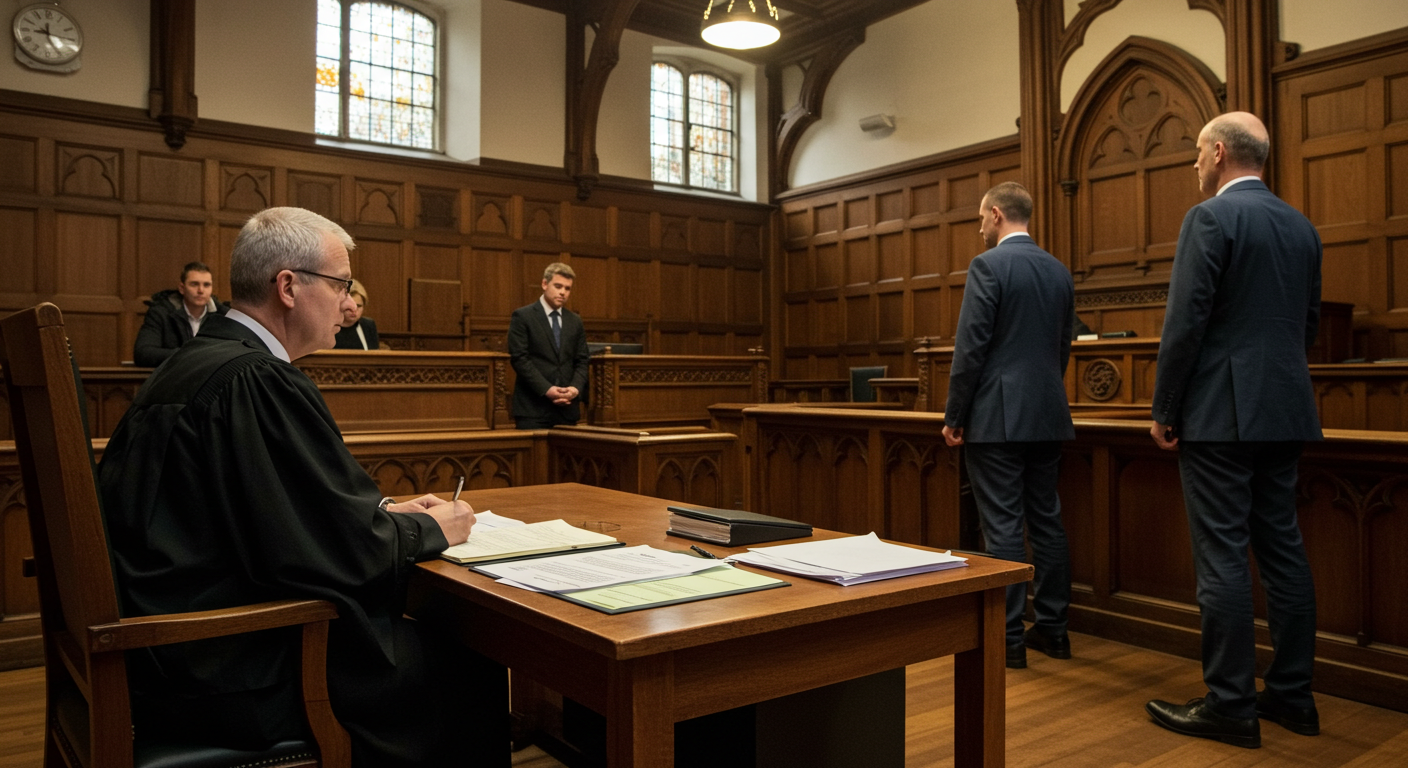

In traffic court proceedings, having a lawyer by your side can make a significant difference to the outcome of your case. A skilled and experienced lawyer can guide you throughout the legal process. Their role goes beyond representing you in court; they can also help with documentation and procedures and give you legal advice on traffic court proceedings.
1. Providing Legal Advice: A lawyer can assess your case, explain the charges against you, and provide expert legal advice tailored to your specific situation.
2. Assistance with Documentation and Procedures: Traffic court proceedings involve various documentation and procedures. A lawyer can help you understand the necessary paperwork, and ensure all relevant documentation is in order.
3. Representation and Advocacy in Court: One of the primary roles of a lawyer in traffic court proceedings is to act as your representative and advocate. They will present your case persuasively, cross-examine witnesses, and argue on your behalf to achieve the best possible outcome.
By hiring a lawyer for traffic court proceedings, you can benefit from their experience and in-depth knowledge of traffic laws and regulations. They can analyse the strength of your case, gather evidence and witnesses, negotiate with prosecutors for reduced charges or penalties, and present a strong defence strategy. A lawyer can also assist with matters such as licence reinstatement, exploring alternative options, and provide valuable legal guidance for future matters.
The Role of a Lawyer in Traffic Court Proceedings

A skilled lawyer can be your best ally when facing traffic court proceedings. They can give legal advice, guide you through documentation and procedures, and make sure you are well prepared. When it’s time to face the judge, their representation and advocacy skills come into play.
Providing Legal Advice
In traffic court proceedings, a lawyer providing legal advice can help you understand your options and make informed decisions. They know the legal system and can help you choose the most advantageous course of action.
Whether it entails explaining the potential consequences of your actions, advising on defence strategies, or suggesting alternative options, a lawyer can deliver the necessary guidance to safeguard your rights and strive for the best possible outcome in your case. Their legal advice can help you get through traffic court proceedings.
Assistance with Documentation and Procedures
- Assistance with Documentation: Lawyers help with the documentation required for traffic court proceedings and make sure all necessary forms are properly completed.
- Assistance with Procedures: Lawyers are adept at explaining the legal processes involved in traffic court, enabling clients to fully comprehend what to expect throughout the proceedings.
- Addressing Lack of Experience: For individuals who are unfamiliar with court procedures, lawyers can guide them through the system and reduce the chance of missteps.
- Ensuring Proper Filing: Lawyers take care of the proper filing of all documents within the specified deadlines, ensuring that there are no procedural issues that could potentially jeopardise the defence.
Representation and Advocacy in Court
Representation and advocacy in court proceedings help ensure a fair trial and protect your rights. A lawyer can represent you and defend against traffic tickets, violations, and driving infractions while providing a strong defence strategy.
By utilising legal arguments and presenting your case to the traffic court judge, a lawyer can present your case. They also have the ability to negotiate with prosecutors to reduce charges or penalties. Their role also involves gathering evidence and witness evidence to support your case.
By hiring a lawyer for traffic court proceedings, you are guaranteed professional advocacy, which significantly increases the likelihood of obtaining favourable results.
How Can a Lawyer Help with Traffic Ticket Defence?

When facing a traffic ticket, how can a lawyer help? A lawyer can assess the strength of your case, gather evidence and witnesses, negotiate with prosecutors, and build a strong defence strategy, all of which can help you secure a favourable outcome. Don’t face traffic court alone.
Assessing the Strength of the Case
In traffic court proceedings, the most effective defence strategy starts with assessing the strength of the case. A skilled lawyer can evaluate the evidence presented against you, assess the lawfulness of the traffic stop, and analyse any potential infringements of your rights.
They will take into account various factors, including witness evidence, video footage, and supporting documentation, to construct a strong defence. By assessing the case’s strength, a lawyer can find weaknesses and use them when negotiating with prosecutors to secure reduced charges or penalties.
This evaluation represents a critical step in ensuring the attainment of the best possible outcome in traffic court.
Gathering Evidence and Witnesses
Gathering evidence and witnesses can strengthen your defence and support your case. Here are some steps to gather
- Identify the relevant evidence: Determine what gathering evidence and witnesses will be useful in proving your innocence or casting doubt on the prosecution’s case.
- Collect physical evidence: Gather any physical gathering evidence and witnesses such as photographs, videos, or damaged property that can support your defence.
- Obtain witness statements: Talk to individuals who witnessed the incident and ask them to provide written statements detailing what they saw in relation to gathering evidence and witnesses.
- Secure expert evidence: If needed, seek expert opinions to validate technical aspects or challenge the accuracy of evidence presented by the prosecution gathering evidence and witnesses.
- Document and organise evidence: Keep all gathered evidence organised and properly documented so it can be presented in court.
By following these steps, you can gather gathering evidence and witnesses compelling evidence and maximise your chances of a favorable outcome in traffic court.
Negotiating with Prosecutors
Negotiating with prosecutors is a large part of traffic court proceedings. Here are the steps a lawyer can take to negotiate on your behalf:
- Evaluating the case: Lawyers examine the strength of the case against you and identifies any potential weaknesses.
- Gathering evidence: The legal representative collects relevant evidence and identifies credible witnesses to support your defence.
- Plea bargaining: The lawyer engages in negotiations with the prosecutors to seek a reduction in charges or whether it is in the public interest to proceed with the prosecution.penalties through a plea bargain.
- Presenting a defence strategy: The lawyer formulates compelling legal arguments and presents them skillfully in court.
- Exploring alternatives: The legal professional explores alternative penalties.
By negotiating skilfully with prosecutors, a lawyer can help you achieve the most favourable outcome in traffic court proceedings.
Presenting a Strong Defence Strategy
When facing traffic court proceedings, you need a strong defence strategy. Having a skilled lawyer by your side can be beneficial in several ways:
- Assessing the case: A lawyer will evaluate the case’s strength, identifying weaknesses and potential defense arguments.
- Collecting evidence and witnesses: They will gather relevant evidence, such as photos or videos, and secure witness evidence to strengthen the defence.
- Negotiating with prosecutors: Lawyers can make representations to the Prosecutor as to whether it is in the public interest to proceed with a prosecution. Crafting a defence strategy: They will develop a strong defence strategy by constructing persuasive legal arguments and presenting the case in court.
Additional Ways a Lawyer Can Assist in Traffic Court Proceedings

In traffic court proceedings, a lawyer can be your best ally. Here are some other ways a lawyer can help with your case.
A lawyer can help with current charges and with planning for the future, using their knowledge of how traffic court works.
Providing Legal Guidance for Future Matters
Providing legal guidance for future matters is part of a lawyer’s work in traffic court proceedings. They can advise you on how to deal with the legal system and avoid further violations.
This includes educating clients about safe driving practices, familiarising them with traffic laws, and clarifying their rights and responsibilities as drivers. By informing individuals about potential consequences and preventive measures, lawyers help them make informed decisions that will benefit them in the long run.
Seeking legal guidance from a lawyer can help individuals steer clear of future legal issues and maintain a clean driving record.
Frequently Asked Questions
Can a traffic ticket lawyer help with speeding?
Yes, a traffic ticket lawyer can assist you in fighting a speeding charge. They can examine the circumstances of the ticket, challenge the accuracy of speed-measuring devices, question the legality of the traffic stop, or negotiate with the prosecutor for reduced penalties.
What are the potential benefits of retaining a traffic lawyer?
By retaining a traffic lawyer, you increase your chances of obtaining good results in your traffic court proceedings. A lawyer can help minimise the fines and penalties, negotiate alternative sentencing options like driving courses.
Can a traffic lawyer assist with unpaid traffic tickets?
Yes, a traffic lawyer can provide legal help if you have unpaid traffic tickets. They can deal with the legal system, negotiate with the court or collection agencies, and develop strategies to address the unpaid tickets and minimise the potential consequences.
Is hiring a lawyer worth the cost for a minor traffic offence?
It depends on the specific circumstances of the case and potential consequences involved.
Found this guide useful? Add Makwana Solicitors as a preferred source to see more of our guides in your Google results.