What Happens if You Don’t Pay on Bristol Transport


What Happens if You Don’t Pay on Bristol Transport
Getting on a Bristol bus or train without paying can quickly result in enforcement action. If you are asking what happens if you don’t pay on Bristol transport, the process usually begins with an inspection and the possible issue of a Penalty Fare Notice, often around £100. Non-payment is typically treated as fare evasion, and ignoring a notice can lead to debt recovery action, increased costs, or prosecution in court. In more serious cases, this may result in higher fines or a criminal record. This guide explains the different types of non-payment, how inspections work, what a PFN includes, and the consequences of failing to resolve it.
What Happens if You Don’t Pay on Bristol Transport
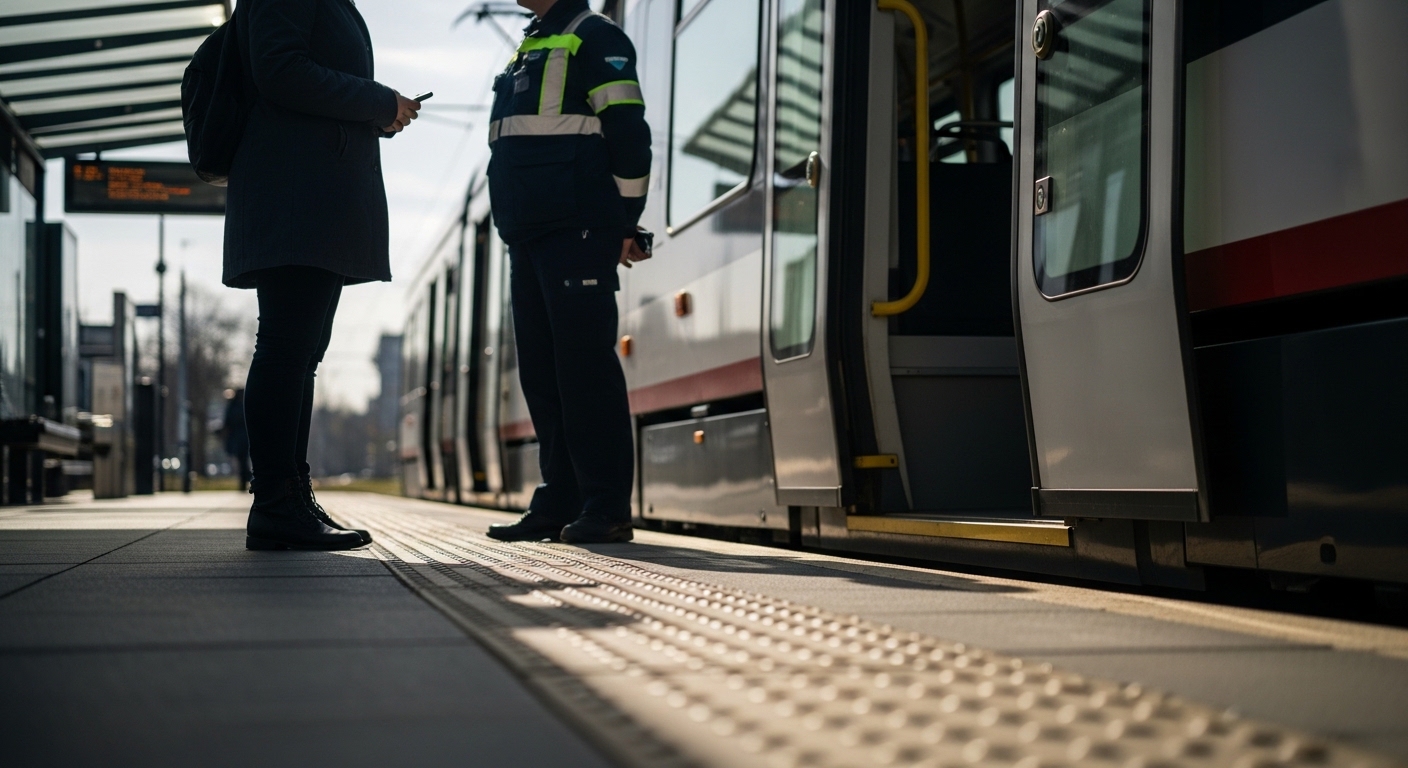
In Bristol, fare evasion on First Bus, Stagecoach, and train services costs operators significantly each year, affecting services like MetroWest trains and buses. This non-payment leads to revenue loss for public transport operators. Passengers face strict enforcement under the Transport Act 2000.
The scope covers Bristol buses from First Bus and Stagecoach, plus trains from Bristol Temple Meads. Bristol Zone pay structure requires valid tickets for specific areas, with common routes like Park & Ride and Airport Express often checked. Enforcement officers patrol these to issue penalty notices.
Fare evasion disrupts revenue protection and increases costs passed to fare-paying users. Operators use ticket inspectors and CCTV to detect ticketless travel. Understanding the Bristol transport rules helps avoid penalty fares.
Passengers should always validate tickets at ticket machines or via contactless payment, similar to an Oyster card equivalent. Ignoring these risks, unpaid fare charges, and further legal action. Compliance supports fair public transport use.
Types of Non-Payment (No Ticket, Invalid Ticket)
Common violations include travelling without a ticket, using expired or invalid tickets, and pay-as-you-go failures via contactless or apps on Bristol transport. These fare evasion types trigger penalty fares from enforcement officers. The Transport Act 2000 defines them clearly for buses and trains.
- No ticket: Boarding without payment, such as on a 75 bus from Temple Meads, where a passenger claims contactless declined but has no proof.
- Invalid or expired ticket: Using a Bristol Zone card with a zone mismatch, like a city ticket on Airport Express.
- App failure: mTicket QR code not scanned properly, leading to disputes with ticket inspectors.
- Lost receipt: No proof of onboard payment after buying from a bus driver, common in busy queues.
Each type risks a fixed penalty notice on the spot. Passengers can show proof of payment to challenge, but without it, fine amounts apply. Always keep receipts for daily cap or weekly pass journeys.
For the first offence, leniency may apply under operator guidelines, but repeat offenders face escalation. Check validation scanners and payzone rules before travel. This avoids evasion consequences like court summons.
Immediate Consequences During the Journey
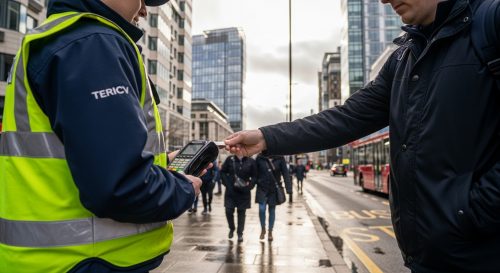
Revenue Protection Officers on First Bus Bristol issue on-the-spot warnings to detected evaders, with immediate ejection from services in some cases, per operator logs. These checks happen quickly during inspections on Bristol transport. Officers follow strict protocols to handle fare evasion.
On buses, officers often give a verbal warning first, allowing time to buy a ticket if possible. For trains, Railway Byelaws 2005 require faster action, leading to Penalty Fare Notices without delay. Bus drivers may also intervene by stopping the service until resolved.
Expect a polite but firm confrontation from the enforcement officer. They record everything via bodycams and CCTV, common on Bristol buses. Non-payment leads to ejection or a ticketless travel notice right away.
Practical tip: Always carry proof of payment like a receipt or app confirmation. If challenged, stay calm and cooperate to avoid escalation. This minimises journey disruption for everyone on board.
Inspection by Revenue Protection Officers
First Bus Revenue Protection teams, uniformed with bodycams, conduct random checks on high-evasion routes like the A4 Airport flyer, verifying tickets via QR scanners or visual inspection. They patrol Bristol buses and trains to enforce bus fare and train ticket rules. Checks target peak times for maximum coverage.
The process starts when an officer requests your valid ticket or proof for the Bristol Zone journey. You have a short window, around 30 seconds, to show it. They use handheld devices for contactless NFC or app checks to validate quickly.
- Officer asks, “Sir/Madam, may I see your valid ticket for this Bristol Zone journey?”
- They scan or inspect your ticket, Oyster card equivalent, or mobile app proof.
- If there is no ticket, they request ID and issue a Penalty Fare Notice on the spot.
You have the right to remain silent, but cooperation helps. Most buses have CCTV recording these encounters. Refusal can lead to service ejection or police involvement under the Railway Byelaws 2005 for trains.
To prepare, use contactless payment or buy via the ticket machine before boarding. Keep digital tickets accessible in your wallet or app. If facing a system glitch, explain calmly with any extenuating circumstances.
The Penalty Fare Notice (PFN)
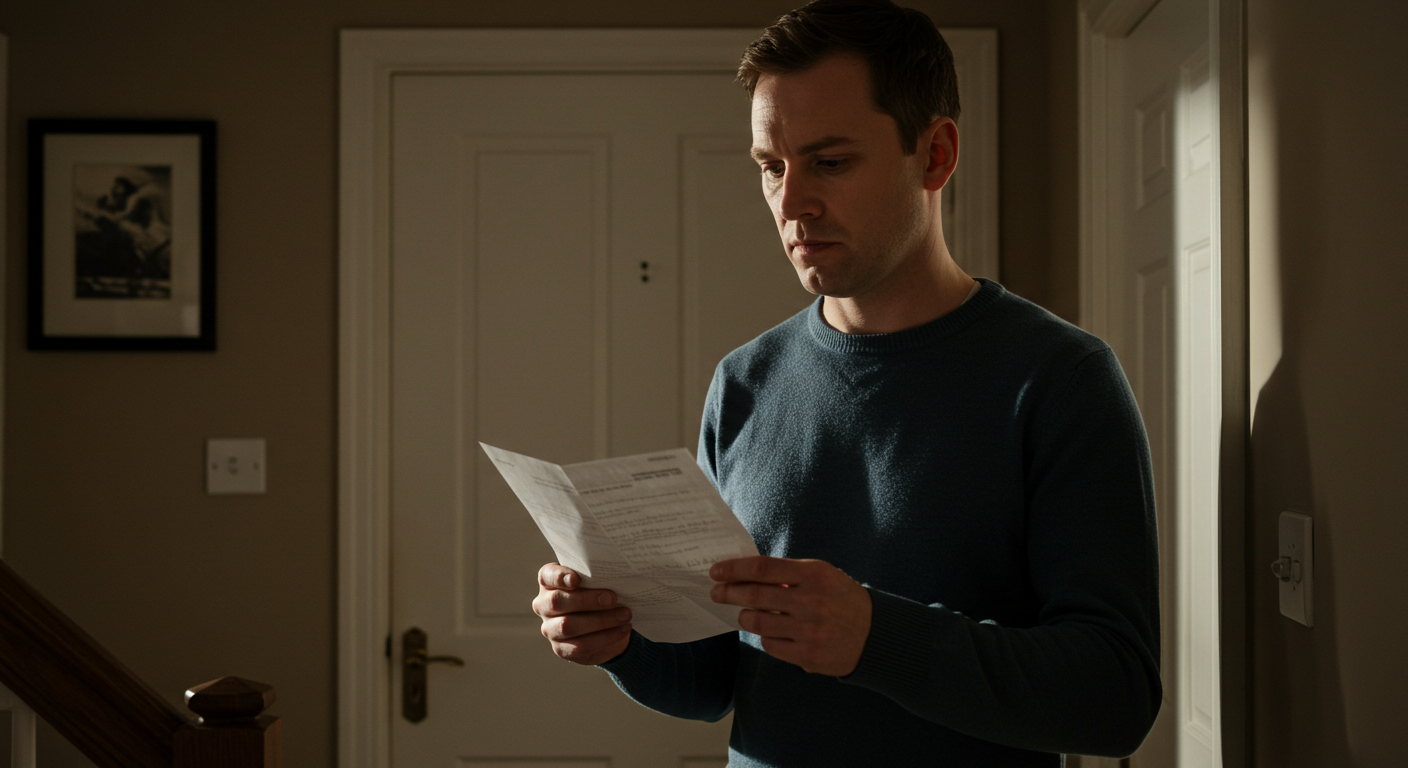
A PFN is a legal document under Regulation 10 of the Railway (Penalty Fares) Regulations 2018, requiring payment within 21 days. Issued by authorised officers from First Bus, Stagecoach, or Network Rail, it targets fare evasion on Bristol transport. These notices follow standard procedures across buses, trains, and public transport in the area.
The yellow PFN ticket stands out with its bright colour and bold text. It includes a unique reference number for tracking payments and appeals. Officers hand it to passengers caught without a valid ticket, such as during ticket inspections on Bristol buses or at station barriers.
Receiving a PFN means you must act quickly to avoid escalation. Enforcement officers, often called ticket inspectors or revenue protection staff, issue it after checking for proof of payment like contactless taps or app tickets. Ignoring it can lead to debt collection or court action under Bristol transport rules.
For first offences, operators focus on recovery rather than immediate prosecution. However, repeat fare dodging triggers stricter measures, including potential prosecution. Always keep the notice safe, as it serves as your record of the unpaid fare incident.
Amount and Payment Deadline
Standard PFN amounts are £100 for First Bus or Stagecoach buses, or £80 plus the full single fare for trains. These penalty fares drop to £50 for buses or £20 plus fare if paid within 14 days. The full amount applies after 21 days, with added risks like debt recovery.
| Operator | Base Penalty | Full Fare Added | Early Payment Discount | Deadline |
|---|---|---|---|---|
| First Bus | £100 | No | £50 | 14 days |
| Stagecoach | £100 | No | £50 | 14 days |
| GWR Trains | £80 | Yes (£12.60 single example) | £20 + fare | 14 days |
Pay via the online portal, phone on 03456 000 111, or post to avoid enforcement fees. Use the unique reference number from your yellow notice for First Bus at their penalty page or Stagecoach equivalents. Deadlines are strict: 21 days standard, 14 days for the discount to halve the fine amount.
If you face issues like a lost receipt or an app glitch, contact customer service promptly. Operators offer payment plans in some cases, but interest may apply after deadlines. Check operator guidelines for Bristol-specific rules on extenuating circumstances before the 21-day window closes.
What Happens if You Ignore the PFN
Ignoring a PFN escalates it to a civil debt within 28 days. Operators like First Bus Bristol pursue most unpaid notices through debt recovery firms. This starts a chain of increasing costs and enforcement actions.
By Day 21, expect demand letters urging payment of the original penalty fare plus any added fees. These serve as final warnings before handover. Ignoring them triggers further steps.
On Day 28, the debt passes to a collection agency, often with £40-£75 admin fees tacked on. If left unpaid beyond 90 days, it can harm your credit score through filings with credit reference agencies. This affects loan approvals and rentals.
Practical tip: Contact the operator’s customer service immediately upon receiving a PFN. Set up a payment plan to avoid escalation and protect your financial standing in Bristol transport matters.
Escalation to Debt Recovery
After 28 days, PFNs transfer to agencies like Debt Recovery Plus, adding £75-£150 collection fees plus 8% statutory interest. This marks the shift from operator handling to professional debt recovery. Letters arrive with firm language demanding immediate settlement.
A sample debt letter might read: “Your outstanding Penalty Fare Notice of £100, now totalling £225 including fees and interest, must be paid within 7 days to avoid further action.” Respond promptly to negotiate. Delaying worsens the total owed.
- Days 22-28: Reminder letters arrive with a £10 fee, restating the penalty amount and deadlines.
- Debt agency handover to firms like DRPlus or Fieldings Porter, inflating costs quickly.
- Phone calls and credit filing begin, with persistent contact and reports to credit agencies.
- Bailiff visits follow, adding £100+ in enforcement costs for home collections.
- CCJ application after 30 days overdue, leading to a County Court Judgment on your record.
Real example: A £100 First Bus PFN in Bristol becomes £325 total after 4 months of escalation, including fees, interest, and bailiff charges. For fare evasion cases, pay early or appeal via the official process to halt this timeline.
Court Proceedings and Prosecution
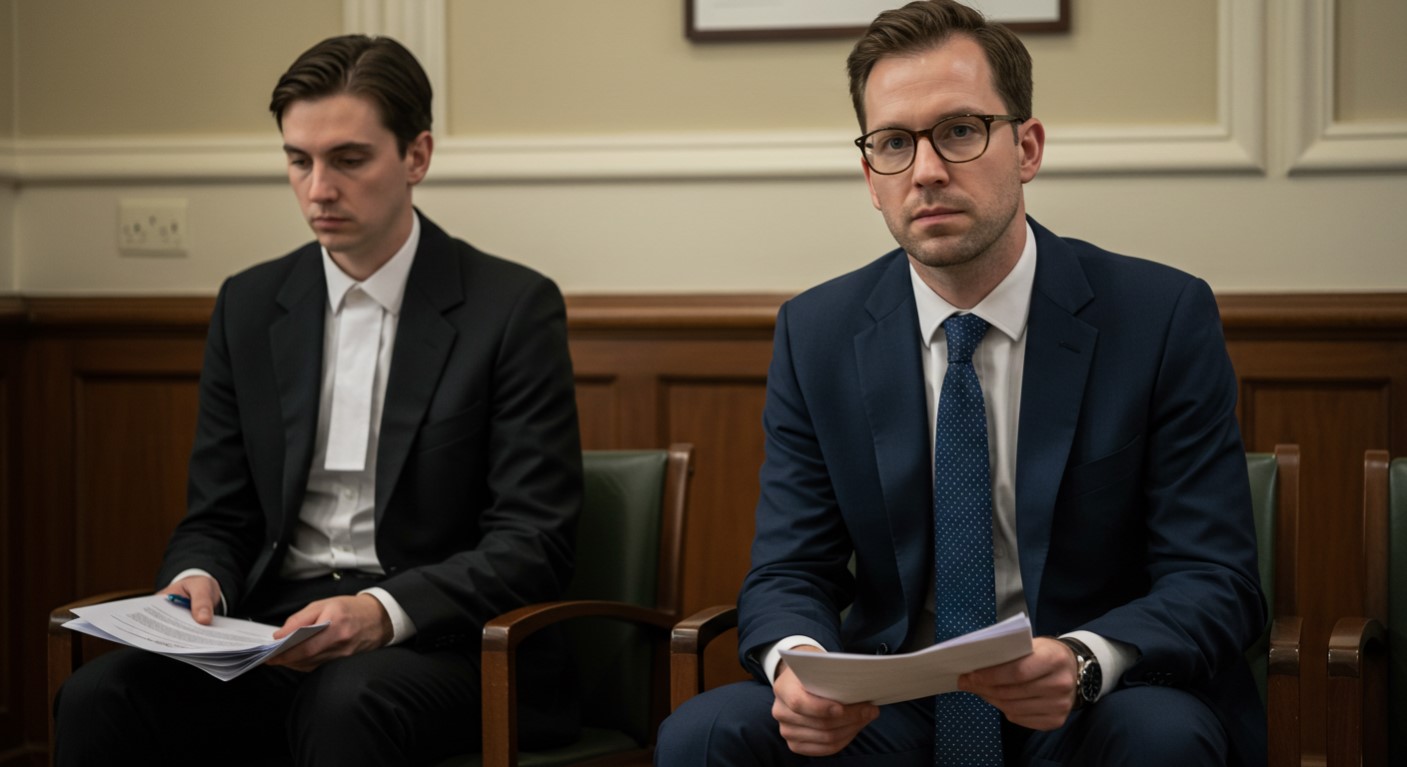
Repeat offenders with 3+ PFNs face prosecution under Railway Byelaws 2005, with Bristol Magistrates’ Court handling 400+ transport cases yearly. Operators decide when to shift from civil penalty fare notices to criminal action, often proving willful evasion or intent to avoid payment. This transition targets persistent fare dodging on Bristol transport, like trains and buses.
Prosecution begins with a court summons after ignored PFNs, backed by evidence such as CCTV footage, witness statements from enforcement officers or ticket inspectors, and records of ticketless travel. Bristol City Council and operators like First Bus Bristol coordinate with revenue protection teams to build cases. Defendants attend hearings at Bristol Magistrates’ Court, where judges review unpaid fares and evasion patterns.
During proceedings, operators present details of incidents, such as barrier evasion at Bristol Temple Meads or no ticket on MetroWest services. Courts consider extenuating circumstances like lost receipts or app failures, but repeat cases rarely escape conviction. Legal aid may help low-income individuals facing transport penalties.
Outcomes enforce deterrent measures against revenue loss from non-payment. Successful prosecution leads to fines, costs, and records, impacting future travel and jobs. Experts recommend contacting customer service early to explore appeal processes or payment plans before the court.
Possible Fines and Criminal Record
Magistrates can impose £1,000 fines + costs, with conviction creating a criminal record under Byelaw 20(1). Fines typically range from £100 to £1,000, alongside court costs of £150 to £300 and a victim surcharge of £20 to £154. These penalties address fare evasion on Bristol buses, trains, and public transport.
A real case saw a commuter fined £450 + £200 costs at Bristol Magistrates for 5 unpaid PFNs on Temple Meads-MetroWest routes. The criminal record lasts 6-12 months, affecting job applications and security clearances. Repeat offenders face escalated fine amounts under local bylaws and Transport Act rules.
- Pay fines via instalments or fine payment plans requested at court to avoid warrants or bailiffs.
- Present defences like proof of payment, system glitches, or disability concessions during hearings.
- Seek mitigating factors such as low income or first offence leniency through official guidelines.
Contact the operator’s helpline or online portal promptly for options like debt recovery pauses. Ignoring summons risks arrest, CCJs, or blacklisting as a passenger. Proactive steps prevent credit score impacts and travel disruptions.
Additional Penalties and Bans
High-risk evaders face 6-24-month bans from First Bus and Stagecoach networks under their Exclusion Policies. These measures target repeat fare evasion on Bristol transport. Operators use them to protect revenue and ensure fair use of public services.
Beyond initial penalty fares, persistent non-payment leads to blacklisting. First Bus runs a yellow card scheme that warns first offenders with a formal notice. Ignoring this escalates to full exclusion from Bristol buses.
Stagecoach applies similar banning orders for ticketless travel across its routes. These restrictions disrupt daily commutes and park & ride services. Experts recommend paying fines promptly to avoid such travel bans.
Refusal to comply can involve police intervention or a court summons. Blacklisted passengers risk being refused boarding by bus drivers or enforcement officers. Always check operator guidelines for appeal options on unpaid fares.
Travel Restrictions and Blacklisting
First Bus maintains a 2,500-person blacklist from 2023 data, barring named individuals from services for 12 months. This Exclusion Register uses photos and ID checked by drivers on Bristol buses. It prevents repeat offenders from boarding First Bus Bristol routes.
Stagecoach issues Banning Orders with email alerts to staff for quick enforcement. GWR operates a Do Not Travel list linked to CCTV facial recognition at Bristol Temple Meads. Violations lead to refused boarding or police calls by station security.
- First Bus: Photo ID verified at entry by bus driver or conductor.
- Stagecoach: Staff notified via instant alerts for blacklisted passengers.
- GWR: Facial recognition scans at barriers flag evasion attempts.
Appeal any ban through written requests to customer.services@firstbus.co.uk within 14 days. Provide evidence of mitigating factors like extenuating circumstances. For example, a repeat evader banned from all Bristol park & ride services after 4 PFNs successfully appealed with proof of payment issues.
Notice: Informational Content Disclaimer
The content provided on this website, including articles, blog posts, and other informational materials, is intended for general informational purposes only. It is not intended as, and should not be considered, legal advice.
Visitors to this website should be aware that the information presented here is not a substitute for seeking legal advice from a qualified solicitor or legal professional. Each individual's legal situation is unique, and the information provided may not be applicable to specific circumstances.
If you require legal advice or have specific legal questions, we encourage you to contact us directly. Our experienced team of solicitors is here to assist you with your legal needs and provide tailored advice to address your concerns.
Please be advised that any communication through this website, including the use of contact forms or email, does not create a solicitor-client relationship. Confidential or time-sensitive information should not be sent through this website. To establish a solicitor-client relationship and discuss your legal matters in detail, please contact us for a consultation.
We strive to provide accurate and up-to-date information, but we make no representations or warranties regarding the accuracy, completeness, or suitability of the information contained on this website. We shall not be liable for any reliance placed on the information provided herein.
Thank you for visiting our website. We look forward to the opportunity to assist you with your legal needs.