
What Happens if You’re Caught Fare Dodging in Nottingham


What Happens if You’re Caught Fare Dodging in Nottingham
Picture this: you slip through Nottingham’s gates without a ticket, heart racing—until you’re stopped. Fare dodging might seem like a quick save, but the repercussions hit hard. This article unpacks Nottingham City Transport (NCT) and tramNET enforcement, immediate fines up to £80, Single Justice Procedure Notices, court prosecutions, repeat offender escalations, and vital appeal options. Discover if it’s worth the risk.
Understanding Fare Dodging in Nottingham

Fare dodging in Nottingham involves intentionally travelling without a valid ticket on NCT buses, NET trams, or East Midlands Railway trains. This practice costs operators significant revenue each year. It affects public transport services across the city.
Under Railway Byelaws 2005, specifically Regulation 21, fare dodging means travelling without paying the correct fare or using an invalid ticket. The Transport Act 2000 also covers similar offences on buses and trams through operator conditions of carriage. Violators face fines or prosecution for byelaws violations.
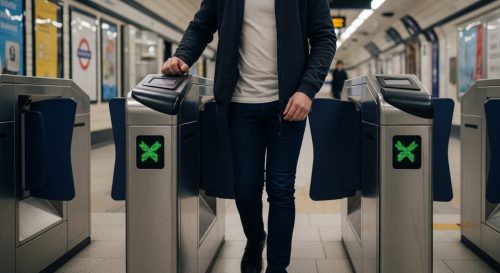
Common methods include turnstile jumping at Nottingham Station, where passengers leap over barriers during rush hour. Tailgating happens at NET tram stops like Lace Market, with one person slipping behind another. On NCT routes, such as 1-100, riders dodge by boarding at the rear doors without scanning.
- Expired Robinhood app tickets fail validation at checks.
- Wrong-class rail tickets on East Midlands Railway lead to penalties.
CCTV systems capture most incidents at fare evasion hotspots like Nottingham Rail Hub. Revenue protection officers use this footage for evasion detection. Always carry proof of a valid ticket to avoid issues.
Definition and Common Methods
Railway Byelaw 18 defines fare evasion as travelling without a valid ticket, punishable by fines up to £1,000 plus compensation. Nottingham City Transport conditions similarly prohibit ticketless travel. These rules apply to trains, trams, and buses uniformly.
At Nottingham Rail Hub, platform ticket barrier jumping occurs frequently as passengers rush platforms. NET tram tailgating at Phoenix Park stops lets riders follow paying passengers through validators. NCT bus rear-door evasion on High Pavement sees people board without paying.
- Fake or expired Robinhood app QR codes trigger alerts during scans.
- Incomplete journey tickets on the EMR Hucknall line fail at destination checks.
Hotspots include Nottingham Station and key tram stops, monitored by British Transport Police and Rail Enforcement Officers. Ticket inspectors conduct onboard inspections and platform checks. Mitigating risks means using contactless payment or app-based ticketing promptly.
Responsible Authorities
Nottingham’s public transport enforcement involves multiple agencies, including NCT inspectors, NET revenue protection teams, and British Transport Police with arrest powers under Railway Byelaws. These groups cover bus, tram, and rail networks to tackle fare dodging. They conduct thousands of checks yearly across the city.
NCT focuses on bus fare evasion with onboard teams, while NET handles tram fare evasion at stops and platforms. British Transport Police steps in for serious cases like train fare evasion or antisocial behaviour. Officers use CCTV and witness statements as key evidence.
If caught fare dodging, expect a fixed penalty notice from NCT or NET, or prosecution via BTP. Always carry proof like a Robinhood app ticket or a season ticket. Contact authorities promptly to avoid escalation to a court summons.
Revenue protection officers patrol hotspots such as Nottingham station and busy tram stops. They check for valid tickets, contactless payments, or bus passes. Repeat offenders face higher fines or bans from the network.
Nottingham City Transport (NCT) and tramNET
NCT employs 120+ enforcement officers issuing penalty notices yearly, while NET’s 40-strong team covers 9 tram lines with mobile validators. These teams target bus fare evasion and tram fare evasion through routine checks. Officers carry powers to detain suspects and collect evidence.
| Authority | Network | Officers | Annual Fines | Contact |
|---|---|---|---|---|
| NCT | 40+ bus routes | 120 | £1.2M | 0115 9506060 |
| NET/tramNET | 9 tram lines | 40 | £800K | 0115 9425555 |
| EMR | Nottingham-Hucknall | 25 | £500K | 03457 125678 |
NCT relies on onboard inspections during journeys, often asking passengers for tickets mid-route. NET uses platform ticket checks with validators at stops. Both gather CCTV footage and witness statements to build cases against ticketless travel.
For fare dodging, NCT issues a £100 fine, which is reduced to £50 if paid quickly. NET follows similar rules under tram byelaws. Appeals go through an independent assessor if you have mitigating circumstances, like a first offence.
Immediate Consequences on the Spot

Caught fare dodgers receive immediate £100 Penalty Fare Notices (PFN), reducible to £50 if paid within 14 days across all Nottingham networks. This standardises enforcement with clear payment deadlines and escalation paths per the national Rail Penalty Fines scheme. Officers from East Midlands Railway, Nottingham City Transport buses, or NET trams issue these on the spot during ticket barrier checks, platform inspections, or onboard reviews.
Revenue protection officers act quickly at fare evasion hotspots like Nottingham station or tram stops. They verify tickets, contactless payments, or apps like Robinhood, then explain the penalty fare process. You must provide ID and accept the notice, or face detention under railway byelaws.
Payment starts immediately via online portals using the unique PFN reference code. Early payment within 14 days halves the fine, avoiding further action. Non-payment leads to court summons and higher costs under the single justice procedure.
For train fare evasion, bus fare evasion, or tram fare evasion, the PFN covers the full fare plus a penalty. Repeat offenders risk network bans, while first offences allow appeals citing mitigating circumstances. Always carry proof of valid tickets to avoid these immediate consequences.
Fine Amount and Payment Options
Standard Penalty Fare is £100 across NCT/NET/EMR, reduced to £50 if paid within 14 days via online portal, phone (0333 1234455), or PayPoint locations. This structure follows Rail Byelaw 21(3) for full fines, with reductions incentivising prompt payment. Additional full fare and compensation apply for ticketless travel.
Payment options keep the process accessible in Nottingham:
- Online: Use the unique PFN reference code on the official portal for instant processing.
- Phone: Call the automated IVR line at 0333 1234455 to pay by card securely.
- PayPoint stores: Visit over 500 locations across Nottingham with cash or card.
- Postal cheque: Send to the address on the notice, ensuring it arrives before the deadline.
You have a 21-day contest window to appeal the PFN to an independent assessor, providing evidence like a valid ticket or contactless payment receipt. Non-payment escalates to £200 plus court costs via magistrates’ court prosecution.
Practical advice: Pay early to secure the reduced fine and protect your credit score from debt recovery or bailiffs. For group evasion or family travel, each adult faces personal liability for their penalty notice issuance.
Refusal to Pay Scenarios
Refusing a £100 PFN triggers immediate escalation: Revenue Protection Officers detain under Byelaw 24, BTP called within 5 minutes. British Transport Police respond swiftly to handle resistance at Nottingham rail hub or bus stops. This protects honest passengers from safety risks caused by fare dodgers.
Common refusal scenarios lead to specific responses:
- Verbal refusal: Officers issue a warning, capture photo ID, and most comply after explanation.
- Physical resistance: BTP arrest under Byelaw 25 for byelaws violations, as in platform ticket check disruptions.
- Flight attempt: Results in a network ban and an arrest warrant, with a 12-month exclusion from public transport.
- Aggressive behaviour: Triggers antisocial behaviour order consideration, plus compensation claims.
On 15 September 2023 at Nottingham station, a fare dodger faced arrest, leading to a £2,500 fine and a 3-month ban after resisting during an onboard inspection. Courts consider prior convictions for repeat offenders under CPS guidelines.
To avoid escalation, cooperate with the ticket inspector. Provide witness statements or CCTV evidence in appeals, but refusal often leads to criminal record impacts like DBS check issues for employment.
Standard Penalty Notice Process
Unpaid PFNs automatically generate Single Justice Procedure Notices (SJPN) within 28 days. These notices are processed without a court appearance in most cases. The system handles fare dodging on Nottingham trams, NCT buses, and East Midlands Railway services efficiently.
If you ignore a penalty fare notice from a ticket inspector or revenue protection officer, expect escalation. For instance, tailgating through ticket barriers at Nottingham station leads to a standard £100 fine, reducible to £50 if paid quickly. Non-payment triggers automated reminders via SMS or email around day 15.
Operators like Nottingham City Transport and NET trams follow strict Transport Act guidelines. Revenue protection officers issue notices during onboard inspections or platform checks. Failing to pay risks prosecution under railway byelaws, with total liability often reaching £220, including costs.
Practical advice: Always carry proof of a valid ticket, such as a Robinhood app purchase or season ticket. Contact the operator immediately if you believe it’s a mistake. Repeat offenders face higher scrutiny at fare evasion hotspots like tram stops and bus interchanges.
Single Justice Procedure Notice (SJPN)
SJPN arrives within 28 days via recorded delivery. It requires a response within 12 weeks: pay £220 covering fine and costs, plead guilty online, or elect a court hearing. This single justice procedure applies to train fare evasion and tram fare evasion in Nottingham.
The process unfolds in clear steps:
- Day 15: Reminder SMS or email about the unpaid PFN.
- Day 28: SJPN issued a unique barcode for tracking.
- Day 56: Formal payment demand for £220.
- Day 84: Option to plead guilty by post using the MC100 form.
- Day 90+: Risk of a warrant for arrest or bailiff action.
The MC100 response form lets you choose options like not guilty plea with a witness statement. Include evidence such as CCTV footage or contactless payment receipts. Experts recommend responding promptly to avoid a magistrates’ court summons.
For bus fare evasion on NCT services, similar rules apply. Mitigating circumstances, like a first offence, may help during an appeal. However, prior convictions as a repeat offender strengthen the case against you, potentially leading to a criminal record.
Criminal Prosecution Outcomes

Non-response to a Single Justice Procedure Notice (SJPN) leads to a magistrates’ summons. Courts handle cases under Byelaw 21 for fare dodging on trains, trams, or buses in Nottingham. Convictions often result in criminal records that appear on employment DBS checks, impacting job prospects in sectors like teaching or security.
Prosecution via magistrates’ courts treats train fare evasion, tram fare evasion, and bus fare evasion seriously. A guilty plea might limit damage, but ignoring the summons escalates to full hearings. Personal consequences include fines, surcharges, and lasting records affecting travel and finances.
Revenue protection officers from East Midlands Railway, NET trams, or Nottingham City Transport buses pursue cases. British Transport Police may assist with evasion detection at hotspots like Nottingham station or tram stops. Repeat offenders face harsher outcomes under public interest prosecution guidelines.
Practical advice: Respond promptly to any court summons and gather proof like contactless payment records or Robinhood app history. Seek legal advice for not guilty pleas based on wrong ticket class or expired ticket claims. Early payment avoids escalation to debt recovery or bailiffs.
Court Fines and Additional Penalties
Magistrates’ courts impose maximum £1,000 fines + full fare compensation + £154 surcharge, with 6-month community orders possible for totals exceeding £500. These apply to railway byelaws violations under Byelaw 21 or Transport Act offences. Fines reflect evasion type, like tailgating at ticket barriers or ticketless travel on NET trams.
Courts break down penalties clearly. Here’s a typical structure for fare dodging convictions in Nottingham:
| Penalty Type | Range | Average |
|---|---|---|
| Base Fine | £100-£1,000 | £325 |
| Compensation | Actual loss | £8.50 |
| Surcharge | £154 fixed | £154 |
| Costs | £100-£300 | £185 |
Key evidence drives convictions. Prosecutors rely on ticket inspector statements, CCTV footage from platforms or onboard inspections, and a lack of valid ticket proof, like bus passes or railcards.
For first offences, magistrates consider mitigating circumstances such as group evasion or family involvement. Repeat offenders risk community orders or custody thresholds. Always provide ticket purchase proof during appeals to independent assessors, and pay fines before deadlines to protect credit scores.
Repeat Offender Penalties
Repeat offenders face doubled penalties (£200 PFN minimum) and automatic prosecution, with 3+ convictions triggering 12-month network bans per operator policy. Systems use database cross-checking to identify repeat fare dodgers across public transport networks. This protects revenue from ongoing train fare evasion, bus fare evasion, and tram fare evasion in Nottingham.
Operators like East Midlands Railway, Nottingham City Transport (NCT buses), and NET trams share data via national systems. A fixed penalty notice (PFN) references prior penalty fare issues during ticket barrier checks or onboard inspections. Revenue protection officers enforce escalation to deter habitual ticketless travel.
For those caught fare dodging multiple times, consequences include a court summons under the Transport Act or railway byelaws. Single justice procedure speeds up prosecution for byelaws violations. Repeat cases often lead to criminal records, affecting employment via DBS checks.
Practical advice: Pay any £100 fine within the deadline to avoid escalation, or seek a £50 reduced fine if eligible. Contact operators early with proof like a Robinhood app receipt or contactless payment record. Ignoring warnings risks debt recovery and travel bans.
Escalation for Multiple Violations
Second offence: £200 PFN + prosecution mandatory; Third: £500+ court fines + 12-month ban; 4+: Civil debt recovery + bailiff enforcement (CCJs reported to credit agencies). National databases track via PFN reference cross-checking. Yellow Card warnings alert first-time offenders in Nottingham’s fare evasion hotspots, like Nottingham station or tram stops.
The escalation matrix works as follows:
- Offence 1: £100 PFN with a yellow card warning.
- Offence 2: £200 PFN and mandatory court summons.
- Offence 3: £500 fine, prosecution, plus 12-month network ban.
- Offence 4+: £1,000 maximum penalty, CCJ, bailiffs, credit score damage.
This applies across NET trams, NCT buses, and rail services. Rail Enforcement Officers or British Transport Police (BTP) issue notices during platform ticket checks or evasion detection.
In a 2022 Nottingham case, a serial offender faced a 24-month ban, £4,200 debt, and job loss from DBS disclosure. Always keep valid ticket proof, like a season ticket or tram ticket. For appeals, submit mitigating circumstances to an independent assessor promptly.
Appeals and Mitigation Options

21-day appeal window to independent assessors succeeds in many cases with evidence like contactless payment proof or medical emergencies. If caught fare dodging on Nottingham public transport, you can challenge a penalty fare through the operator’s process. This applies to NCT buses, NET trams, or East Midlands Railway services.
Start by submitting your penalty fare appeal within 21 days using the operator portal, such as NCT’s system. Gather strong evidence like receipts or witness statements to support your case. Independent assessors review appeals in about 7-14 days.
Operators like Nottingham City Transport and NET trams handle appeals separately from initial ticket inspectors or revenue protection officers. Success often hinges on proving valid ticket issues or mitigating circumstances. Contact details are on your fixed penalty notice or operator websites.
Common outcomes include fine reduction or cancellation for first offences with prompt payment offers. Repeat offenders face stricter scrutiny under railway byelaws or Transport Act rules. Always provide clear documentation to avoid prosecution escalation.
Step-by-Step Appeal Process
- Submit your appeal within 21 days via the operator portal, for example, NCT at their designated appeal page.
- Include detailed evidence such as receipts, witness statements, or medical notes explaining the incident.
- An independent assessor reviews your case, typically within 7-14 days, and issues a decision.
- Follow up if needed; upheld appeals may reduce the £100 fine to £50 or cancel it entirely.
This structured process helps fare dodgers contest penalty fares fairly. Keep records of all submissions. If unsuccessful, you may face a single justice procedure or a court summons.
Successful Mitigation Examples
- Bank statement showing payment 2 minutes prior to ticket barrier check, proving contactless glitch on Robinhood app.
- Proof of Oyster-equivalent Robinhood glitch, like app screenshots matching journey time on NET trams.
- Medical emergency documentation, such as a doctor’s notes for sudden illness during onboard inspection.
- Witness statement for child supervision distraction at Nottingham station, causing missed ticket validation.
- First offence with a full payment offer, plus a clean record, leading to a yellow card warning instead of a fine.
These real-world examples show how mitigating circumstances sway assessors. Tailor your appeal to similar facts from your fare evasion incident. Experts recommend acting quickly with precise evidence.
Appeal Success Insights
Appeals with solid proof, like CCTV evidence or ticket purchase records, often succeed against initial penalty notice issuance. Research suggests that strong cases avoid the magistrates’ court and criminal record risks. Focus on facts over excuses.
For bus fare evasion or tram ticket issues, highlight the first offence status or prior convictions. Operators consider public interest before prosecution. Contact NCT or NET directly for status updates.
Notice: Informational Content Disclaimer
The content provided on this website, including articles, blog posts, and other informational materials, is intended for general informational purposes only. It is not intended as, and should not be considered, legal advice.
Visitors to this website should be aware that the information presented here is not a substitute for seeking legal advice from a qualified solicitor or legal professional. Each individual's legal situation is unique, and the information provided may not be applicable to specific circumstances.
If you require legal advice or have specific legal questions, we encourage you to contact us directly. Our experienced team of solicitors is here to assist you with your legal needs and provide tailored advice to address your concerns.
Please be advised that any communication through this website, including the use of contact forms or email, does not create a solicitor-client relationship. Confidential or time-sensitive information should not be sent through this website. To establish a solicitor-client relationship and discuss your legal matters in detail, please contact us for a consultation.
We strive to provide accurate and up-to-date information, but we make no representations or warranties regarding the accuracy, completeness, or suitability of the information contained on this website. We shall not be liable for any reliance placed on the information provided herein.
Thank you for visiting our website. We look forward to the opportunity to assist you with your legal needs.