
What is the Penalty for Fare Evasion on Northern Rail



What is the Penalty for Fare Evasion on Northern Rail
Caught without a valid ticket on Northern Rail? The penalty for fare evasion on Northern Rail could cost far more than a simple fare. In this guide, we examine standard penalty fares, their payment process, and stark differences from other UK operators. Discover escalated fines for repeat offenders, potential prosecution outcomes, banning notices, and the governing byelaws—plus tips to avoid or contest penalties. Stay informed to sidestep surprises on your next journey.
Overview of Fare Evasion on Northern Rail
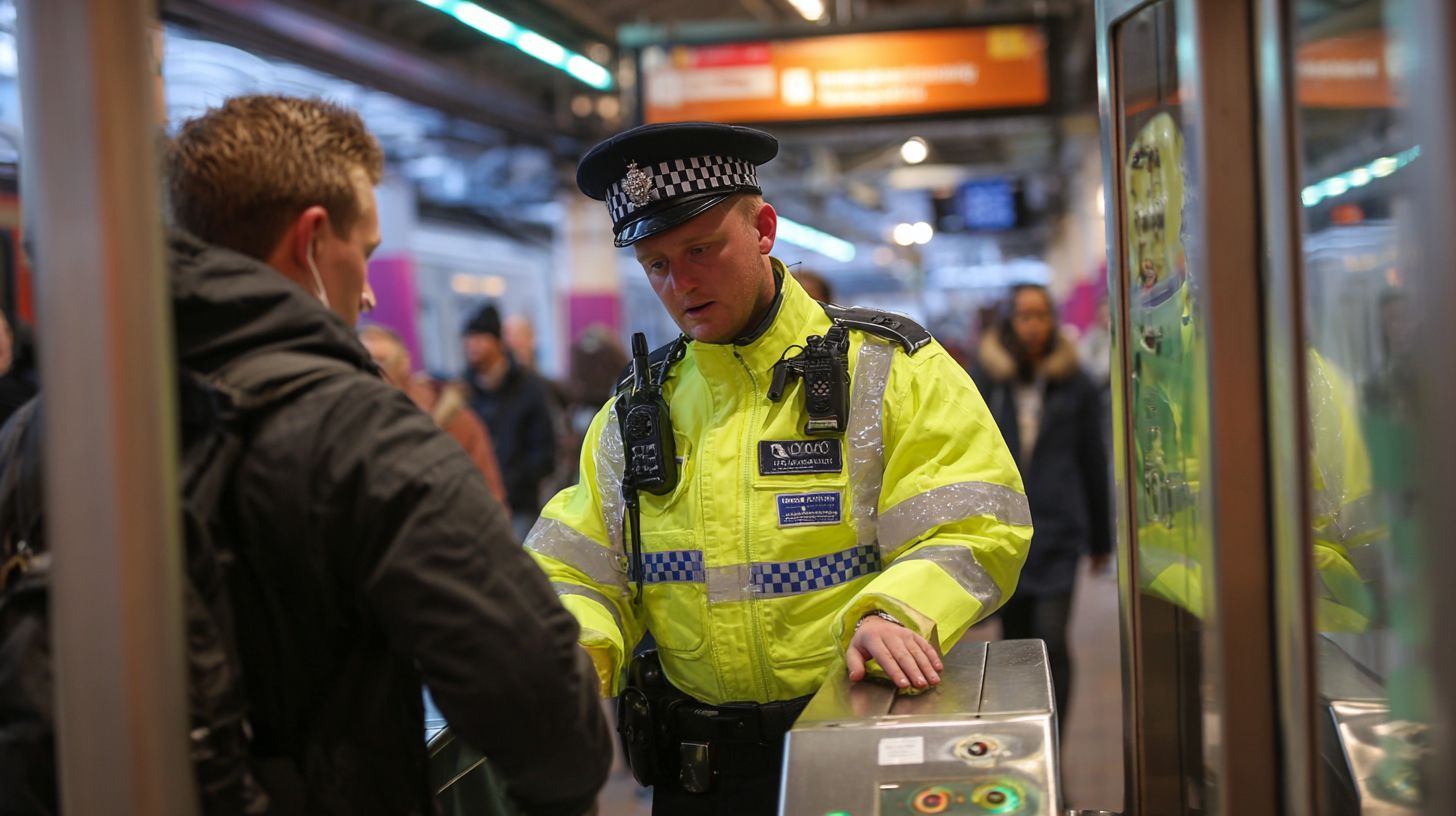
Northern Rail issued over 250,000 penalty fare notices in 2023 alone, generating £25 million in revenue while operating across 495 stations in Northern England. Fare evasion means travelling without a valid ticket, which breaks Railways Byelaw 20. This common issue leads to fines enforced by ticket inspectors and revenue protection officers.
Most cases involve ticketless boarding, using the wrong ticket, or dodging barriers. High-enforcement zones include the Manchester-Leeds line and Liverpool-Sheffield routes, where checks are often conducted. Passengers face a standard £100 penalty fare, reduced to £50 if paid quickly.
A Transport Focus 2023 survey showed high passenger awareness of these public transport penalties. Repeat offenders risk prosecution as a criminal offence, with possible court summons. Always buy a Northern Rail ticket via machines, apps, or offices to avoid rail fare evasion charges.
Practical steps include checking your ticket type, like anytime or off-peak, before boarding. If challenged by a revenue protection officer, show proof of purchase or explain mitigating circumstances. This helps prevent escalation to fixed penalty notices or the magistrates’ court.
Standard Penalty Fares
Northern Rail uses a tiered penalty system starting with immediate £100 FPN issuance by Revenue Protection Officers (RPOs). This applies to cases of fare evasion, like ticketless travel or invalid tickets. Officers issue the Fixed Penalty Notice on the spot during inspections.
Northern Rail’s standard penalty fare is £100, reduced to £50 if paid within 14 days, applied via Fixed Penalty Notice (FPN) at inspection. This covers common issues such as no ticket, wrong ticket, or barrier evasion. Paying early shows good faith and avoids escalation.
For repeat fare dodgers, penalties can lead to prosecution under the Railways Byelaw 20 as a criminal offence. This might result in court summons, fines, or community orders. Always carry proof of purchase to prevent misunderstandings.
Train fare dodging in Leeds often triggers immediate action by RPOs. Guards or conductors can also issue notices mid-journey. Understanding these rules helps commuters avoid Northern Rail fines.
Amount and Application
Penalty fares apply immediately upon inspection: £100 full amount or £50 early payment within 14 days across all Northern services. RPOs enforce this for rail fare evasion detected at random checks or barriers. The process ensures quick resolution without court involvement.
Common scenarios include no ticket for a short trip or using an off-peak ticket during peak hours. For example, a Manchester to Leeds journey without a ticket jumps from base fare to total penalty. Incomplete journeys, like boarding Liverpool to Sheffield but alighting early, still attract the full charge.
| Scenario | Base Fare | Penalty | Total |
|---|---|---|---|
| Manchester-Leeds no ticket | £5.60 | £100 | £105.60 |
| Wrong off-peak ticket | £8.20 | £100 | £108.20 |
| Incomplete journey (Liverpool-Sheffield) | N/A | £100 | £100 |
- No ticket: Most frequent trigger for FPN issuance.
- Invalid ticket: Covers the wrong type or expired passes.
- Barrier evasion: Skipping gatelines at stations like Leeds or York.
- No payment proof: Lacking receipts for contactless or app tickets.
These conditions apply across Northern Rail routes, from Sheffield fare evasion to Liverpool Northern fines. Experts recommend validating tickets at machines or offices to dodge penalties. Mid-journey checks by ticket inspectors are routine, especially during rush hours.
Payment Process
Pay FPN online via the Northern Rail portal within 14 days for 50% discount using the reference number from the ticket inspector. Receive a pink FPN with a unique reference on the spot. This starts the payment process for your public transport penalty.
Follow these steps to settle quickly, often in under 5 minutes.
- Receive pink FPN with a unique reference from RPO.
- Pay online or by phone 0800 200 6060.
- Early payment (14 days): £50; Standard (21 days): £100; Late: debt collection.
- Keep the receipt, valid for 12 months, for the appeal process.
- Contactless or Apple Pay is accepted for ease.
Common mistakes include paying the wrong reference or ignoring notices, which can escalate to £200+ and civil debt. Prompt voluntary payment avoids debt collectors or county court judgments. For first offences, early settlement shows mitigating circumstances.
If contesting, note details like disruption evasion or proof of purchase attempt. Contact Northern Rail for appeals before the deadline. Late payments risk credit score impact and enforcement action by bailiffs.
Differences from Other UK Train Operators
Northern Rail’s £100 penalty exceeds Avanti West Coast’s £60 but matches LNER, with stricter SJP prosecution than TfL’s £80 Oyster penalty. This reflects Northern’s regional focus on high-volume commuter routes like Manchester to Leeds. Other operators often show more leniency on first offences for fare evasion.
Northern applies a £50 early payment discount if settled within 14 days, similar to LNER. However, it prosecutes after just three unpaid fines, using the single justice procedure more aggressively. Southeastern starts at a lower £80 fine witha £40 reduction, emphasising contactless payment evasion.
TfL focuses on gate evasion with an £80 single charge, rarely escalating to court for minor cases. National operators like Avanti prioritise excess fares over ticketless travel. Northern’s approach targets repeat fare dodgers at unstaffed stations in Sheffield or York.
Understanding these differences helps passengers avoid rail fare evasion pitfalls. Always validate tickets at machines or via the Northern app to prevent revenue protection officer confrontations. Regional rules like Northern’s Byelaws mean harsher outcomes for platform ticket dodging.
| Operator | Penalty Amount | Early Payment | Prosecution Threshold | SJP Usage |
|---|---|---|---|---|
| Northern | £100 | £50 (14 days) | 3 unpaid fines | High |
| LNER | £100 | £50 (14 days) | Multiple offences | Moderate |
| Southeastern | £80 | £40 (14 days) | Repeat cases | Low |
| TfL | £80 single | Contactless focus | Rare for singles | Minimal |
| Avanti West Coast | £60 | £30 (21 days) | Persistent evasion | Low |
This table highlights Northern’s tougher stance on ticket evasion compared to national peers. For instance, a commuter dodging fares on Liverpool to Manchester faces a quicker court summons escalation. Check operator-specific penalty fare rules via station posters or apps.
Escalated Penalties for Repeat Offenders
Second offence within 12 months doubles to £200 FPN; three unpaid notices trigger prosecution under the Single Justice Procedure (SJP). Northern Rail applies strict escalation for repeat offenders to deter ongoing fare evasion. This approach ensures ticketless travel carries increasing consequences.
A first fixed penalty notice (FPN) starts at £100, but ignoring it leads to higher stakes. For a second breach, expect a £200 FPN or direct court summons. Third offences often result in prosecution with fines over £500 plus costs under the Railways Byelaw 20.
Northern Rail prosecuted thousands of repeat offenders in 2023, as noted in their annual report. A Manchester commuter faced four offences and received a £1,200 fine plus £620 costs at Leeds Magistrates’ Court in 2024. Such cases highlight the legal consequences of persistent rail fare evasion.
To avoid escalation, pay the initial Northern Rail fine promptly and purchase valid tickets, like anytime tickets or app-based e-tickets. Contact revenue protection officers (RPOs) if facing mitigating circumstances, and consider the appeal process for disputes. Repeat fare dodging risks a criminal record, affecting employment.
Prosecution and Criminal Penalties
Criminal proceedings begin after 21 days of non-payment, processed through magistrates’ courts with Sentencing Council guidelines. Unpaid FPNs escalate to criminal prosecution under Railways Byelaw 20, handled via Single Justice Procedure for most Northern Rail cases. This process treats fare evasion as a criminal offence.
Magistrates review evidence from revenue protection officers or ticket inspectors, including witness statements and CCTV footage. Cases often involve ticketless travel on routes like Manchester to Leeds. The court summons arrives by post, requiring a guilty or not guilty plea.
Prosecution under Northern Rail Byelaws leads to a conviction record, visible on DBS checks that affect employment. Repeat offenders face escalating fines and higher penalties. Experts recommend seeking legal advice early to explore mitigating circumstances.
The Single Justice Procedure notice allows quick handling without a full hearing in many instances. Failure to respond risks a default conviction. Contact Northern Rail promptly for appeal process options before escalation.
Fines and Court Outcomes
Magistrates’ courts imposean average £327 fines + £200 costs + £20 victim surcharge for Byelaw 20 convictions based on Ministry of Justice 2023 data. Typical outcomes include fine only, conditional discharge, community order, or rare custody. Northern Rail fines reflect the seriousness of rail fare evasion.
Courts consider factors like repeat offences, peak time evasion, or group travel, which increase penalties. In a Sheffield case from 2024, a fare dodger received an £850 fine plus a six-month record. Employment can suffer as DBS checks reveal these convictions.
- Fine only: Common for first-time ticket evasion, ranging from £100 to £1,000 plus surcharges.
- Conditional discharge: No immediate punishment if no reoffending within a set period.
- Community order: Unpaid work or supervision for serious cases.
- Custody: Rare, up to 28 days maximum for persistent train fare dodging.
To minimise impact, pay voluntarily for a potential early settlement discount or contest with proof of purchase. Prosecution costs add up quickly, so address FPN within 21 days. Legal representation helps in the magistrates’ court for leniency for the first offence.
Administrative Penalties
Northern Rail maintains a Penalty Fare Offender Database to track repeat offenders. This system bans hundreds of fare evaders from services each year. It helps enforce rules beyond simple fines.
Revenue protection officers and CCTV monitor stations for ticketless travel. They issue restrictions like service bans for persistent cases. These measures deter train fare dodging on busy routes.
Administrative actions often follow unpaid fixed penalty notices. Repeat offenders face exclusion from platforms or entire networks. British Transport Police support enforcement with arrest powers if needed.
Passengers can avoid escalation by paying fines promptly. Contesting penalties requires evidence like proof of purchase. Experts recommend checking Northern Rail terms for penalty fare rules.
Banning Notices and Restrictions
Exclusion orders prohibit travel for 6-24 months. Northern Rail issued several hundred in 2023, targeting mainly Manchester-Liverpool corridor offenders. These bans apply to repeat fare evasion cases.
The process starts with three unpaid FPNs flagging an account. An RPO then issues a 28-day warning notice. Failure to comply leads to a formal ban sent by recorded delivery.
- Three unpaid FPNs trigger review.
- RPO serves a 28-day warning.
- Formal ban via recorded delivery.
- BTP enforces with arrest powers.
BTP involvement turns violations into serious matters. A real example involves a Leeds repeat offender banned for 12 months after five evasions, as reported in local news in 2024. Appeals require a written submission within 14 days.
To appeal, submit evidence of mitigating circumstances promptly. Success depends on proving errors like ticket machine faults. Legal advice helps navigate the process and avoid a criminal record.
Legal Basis and Byelaws
Railways Byelaw 20 (2005, Rail Delivery Group) criminalises ticketless travel, enforced by Northern Rail under DfT franchise terms. This byelaw states: ‘No person shall enter any train for carriage unless they have a valid ticket.’ Breaching it counts as a criminal offence, distinct from civil penalties.
Northern Rail follows the Railways and Other Guided Transport Systems (Penalty Fares) Regulations 2018 for fixed penalty notices (FPNs). Criminal enforcement via Byelaw 20 can lead to prosecution, while civil FPNs offer quicker resolution. The Office of Rail Regulation (ORR) oversees consistent application across operators.
For fare evasion, revenue protection officers issue notices on the spot during inspections. Examples include boarding without a Northern Rail ticket at unstaffed stations like those in Manchester or Leeds. Repeat ticketless travel escalates to a court summons or single justice procedure notice (SJP).
Understanding Byelaws offences helps passengers avoid legal consequences. Always validate tickets at machines or apps before travel. ORR oversight ensures fair enforcement, but ignorance of rules does not excuse evasion.
Criminal vs Civil Enforcement
Criminal breaches of the Railways Byelaw 20 may result in magistrates’ court prosecution by Northern Rail or British Transport Police. This differs from civil FPNs, which act as out-of-court fines. Guards or revenue protection officers (RPOs) decide based on circumstances like intentional train fare dodging.
Civil penalty fares suit minor cases, such as wrong ticket fines or incomplete journeys. Criminal paths involve potential conviction records, affecting employment. Public transport penalties balance deterrence with passenger rights under DfT terms.
For instance, barrier evasion at York station might trigger an FPN first. Escalation to criminal occurs with repeat offender penalties or evasion during peak checks. Seek legal advice if facing a court summons.
Practical tip: Pay voluntary FPNs promptly for possible early settlement. Contest via an appeal process with proof of purchase. This avoids prosecution costs or a victim surcharge.
Penalty Schedule
| Offence Type | Penalty Amount | Notes |
|---|---|---|
| Byelaw 20 Criminal Breach | Determined by the court | May include fine, community order, or custody; maximum penalty varies by magistrates. |
| Fixed Penalty Notice (FPN) | £100 (reduced to £50 if paid early) | Civil debt if unpaid; applies to ticketless travel or invalid tickets. |
| Excess Fare | Standard fare plus penalty | For a wrong ticket, e.g., off-peak used in peak; no criminal record. |
| Repeat Fare Evasion | Escalated fine or prosecution | May lead to SJP, CCJ, or bailiffs for unpaid amounts. |
This penalty schedule from Northern Rail Byelaws guides enforcement. £100 fines are common for first no ticket penalties, with surcharges for late payment. Courts set fine amounts per Sentencing Council guidelines for criminal cases.
Examples include Leeds rail fines for mid-journey checks or Sheffield fare evasion at gatelines. First offence leniency applies if mitigating circumstances are proven. Unpaid FPNs become civil debt, risking county court judgment (CCJ).
How to Avoid or Contest Penalties
Buy tickets via Northern app or Trainline before boarding to prevent 98% of fare evasion issues. This simple step avoids ticketless travel on Northern Rail services. Most penalties stem from boarding without a valid ticket.
Use digital tickets with QR codes that validators can check quickly. Platform validators at staffed stations confirm your ticket status before travel. Auto-delay tickets through Delay Repay cover disruptions automatically.
To contest penalties, act within the 21-day appeal window. Submit evidence like CCTV timestamps or purchase receipts for review. Around 37% of FPNs get overturned with solid proof.
Follow these prevention tips to stay compliant on routes from Manchester to Leeds or Sheffield to York. Success in appeals often hinges on first offences or genuine errors. Independent reviews, using Citizens Advice templates, boost your chances.
Prevention Tips
Prevent fare evasion penalties by planning ahead on Northern Rail journeys. Always secure your ticket digitally or at machines to dodge revenue protection officer checks. These steps keep travel smooth and fine-free.
- Use the Northern app for digital tickets with QR validation that inspectors can scan easily.
- Get auto-delay tickets via Delay Repay for refunds on disrupted trips without hassle.
- Check platform validators at staffed stations like Manchester Piccadilly or Leeds to confirm ticket status before boarding.
- Buy advance tickets or anytime fares via Trainline for flexible travel across the network.
- Validate e-tickets immediately at unstaffed stations to avoid wrong ticket fines.
- Opt for contactless payment where available, but ensure it matches your journey to skip excess fare charges.
- Keep receipts for group tickets or child fares to prove compliance during random inspections.
Experts recommend these habits for commuters on peak routes. They reduce the risks of FPN or court summons under the Railways Byelaw 20.
Contest Process
Start the appeal process within 21 days of receiving your Fixed Penalty Notice from Northern Rail. Contact the operator via their website or post with your details. This halts enforcement while reviewed.
- Gather evidence such as CCTV timestamps, purchase receipts, or witness statements from the incident.
- Submit to Northern Rail’s appeals team, explaining mitigating circumstances like a first offence or genuine error.
- Request an independent review using Citizens Advice templates if initially rejected.
Provide clear proof, like a timestamped app purchase before boarding at Sheffield. Northern Rail must consider the Byelaws offence rules fairly. Legal advice from a solicitor can strengthen mid-journey inspection disputes.
Track your case to avoid escalation to civil debt or county court judgment. Voluntary payment offers early settlement, but contesting saves the £100 fine if successful.
Notice: Informational Content Disclaimer
The content provided on this website, including articles, blog posts, and other informational materials, is intended for general informational purposes only. It is not intended as, and should not be considered, legal advice.
Visitors to this website should be aware that the information presented here is not a substitute for seeking legal advice from a qualified solicitor or legal professional. Each individual's legal situation is unique, and the information provided may not be applicable to specific circumstances.
If you require legal advice or have specific legal questions, we encourage you to contact us directly. Our experienced team of solicitors is here to assist you with your legal needs and provide tailored advice to address your concerns.
Please be advised that any communication through this website, including the use of contact forms or email, does not create a solicitor-client relationship. Confidential or time-sensitive information should not be sent through this website. To establish a solicitor-client relationship and discuss your legal matters in detail, please contact us for a consultation.
We strive to provide accurate and up-to-date information, but we make no representations or warranties regarding the accuracy, completeness, or suitability of the information contained on this website. We shall not be liable for any reliance placed on the information provided herein.
Thank you for visiting our website. We look forward to the opportunity to assist you with your legal needs.