
What Are the Penalties for Fare Evasion in London



What Are the Penalties for Fare Evasion in London
Jumping a barrier or travelling without tapping in on the London Underground can quickly trigger formal enforcement. Penalties for fare evasion in London are enforced by Transport for London under its byelaws and related legislation, beginning with standard Penalty Fares, typically £80, and in some cases Fixed Penalty Notices.
More serious or repeated incidents may be reported for prosecution, where courts can impose substantially higher fines and a criminal record. In rare but aggravated cases, imprisonment is possible. This guide explains how TfL differentiates between minor and deliberate offences, how appeals work, and how repeated behaviour can lead to escalating sanctions.
Overview of Fare Evasion in London
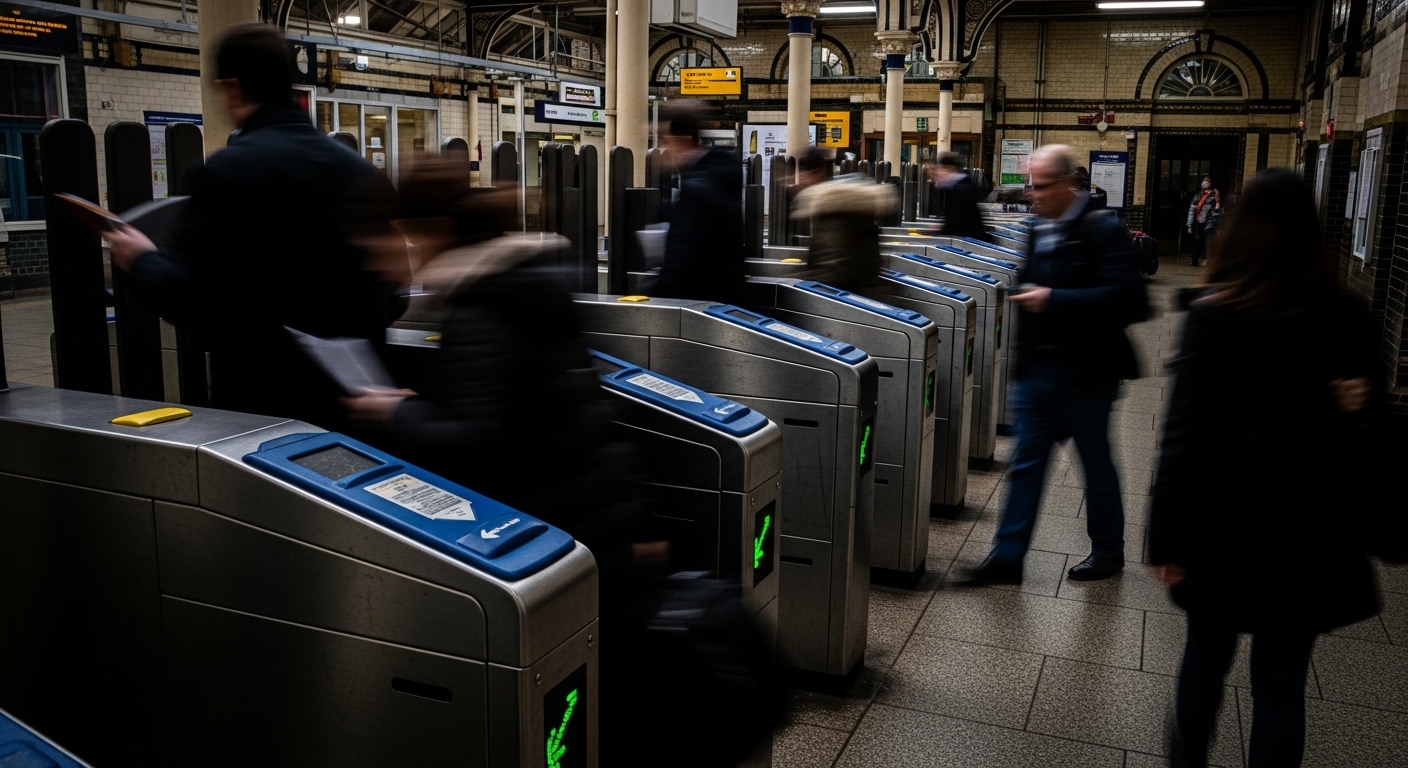
Fare evasion costs Transport for London (TfL) over £100 million annually, according to their 2023 Annual Report, affecting buses, the Underground, Overground, Elizabeth line, DLR, trams, and National Rail services across 9 fare zones.
In 2023, TfL issued 1.2 million penalty fares. The standard penalty fare stands at £80, which doubles to £160 if unpaid after 21 days. Compliance rates differ by mode, with 85% on buses compared to 92% on the Tube.
Common evasion methods include barrier jumping at 40%, invalid Oyster or contactless payments at 30%, ticketless boarding at 20%, and paper ticket fraud at 10%. These practices fall under the Penalty Fares Regulations 2018 and TfL Bylaws Section 17.
Such evasion leads to significant revenue loss, with potential recovery estimated at £300m. Passengers caught face fines from revenue protection officers or station staff, impacting honest commuters who rely on pay-as-you-go, travelcards, or daily caps across fare zones.
Standard Penalty Fare
The standard Penalty Fare acts as a civil debt issued by Revenue Protection Officers for lacking a valid ticket upon inspection on Transport for London services. This measure targets fare evasion to protect honest passengers and recover lost revenue. It provides a quicker alternative to prosecution.
The standard Penalty Fare for fare evasion on TfL services is £80, doubling to £160 if not paid within 21 days, as mandated by the Penalty Fares Regulations 2018. Officers issue it on the spot during ticket checks at barriers or on board. Passengers receive a notice outlining payment details and appeal options.
Paying promptly avoids escalation to court fines or involvement from British Transport Police. Repeat offenders face higher scrutiny, including potential prosecution. Always carry a valid Oyster card, contactless payment, or ticket to prevent this.
For first offences, officers may issue warnings instead, especially with mitigation like a recent purchase attempt. Check your journey history via bank statements or TfL apps to contest invalid claims. This system encourages compliance across London’s public transport network.
Amount and Payment Process
Penalty Fares must be paid within 21 days (£80) or double to £160; payment options include contactless card, bank transfer, or My TfL account with QR code scanning. Receive a Single Justice Procedure Notice (SJPN) with a unique reference from the officer. This starts the process immediately.
Pay online at tfl.gov.uk/penaltyfares using Visa, Mastercard, or Apple Pay for quick settlement. Postal payments go to the specified PO Box address on the notice. Keep records of all transactions to track status.
For financial hardship, apply for instalment plans via the application form provided. TfL assesses cases individually, considering income and circumstances. Early payment keeps the amount at £80 and avoids debt collection.
Use your SJPN reference to monitor progress in your My TfL account. If issues arise, contact TfL’s penalty team promptly. This structured approach ensures fair handling of fare evasion penalties across the Tube, buses, and rail.
Where It Applies
Penalty Fares apply at ticket barriers and turnstiles on the Underground (94 stations), Overground (112 stations), Elizabeth line, DLR, trams, and National Rail within TfL zones 1-9. Enforcement occurs at key points like station exits in central London. Use TfL Journey Planner to identify these spots.
On the Underground, all 272 stations feature barriers where checks happen, especially during peak hours. Buses enforce at over 13,000 stops via validators or conductor inspections. Overground gates cover 80 of 112 stations.
- Tube and DLR: Gated stations in zone 1, such as Paddington or King’s Cross.
- Overground and Elizabeth line: Major interchanges like Waterloo or Victoria.
- Buses and trams: Random spot checks by enforcement officers.
Exemptions include emergency exits only with staff permission or platform overcrowding declarations under Railway Bylaw 18(1). Gate jumping or using invalid tickets triggers fines. Staff doors and platform jumps count as evasion.
Fixed Penalty Notices (FPN)

Fixed Penalty Notices target deliberate fare evasion detected by enforcement officers, distinct from standard Penalty Fares. FPNs count as a criminal offence under Regulation 21(3) of the Transport for London Railway Bylaw 2003. Officers from TfL or British Transport Police issue them on the spot for intentional ticket barrier jumps or invalid Oyster card use.
These notices aim to deter fare dodgers on the London Underground, buses, Overground, Elizabeth line, DLR, trams, and National Rail. Passengers receive a spot fine after a ticket check by a revenue protection officer. Ignoring it risks court prosecution and a criminal record.
Enforcement focuses on high-risk areas like zone 1 stations in central London, including Paddington, King’s Cross, and Waterloo. Officers use CCTV evidence and bodycams during peak hours. Repeat offenders face stricter action under TfL bylaws.
Paying promptly avoids escalation to the magistrates’ court. Contest via appeal if you have mitigation, like a system error with contactless payment. Always carry valid tickets to prevent payment issues.
Issuance Criteria
FPNs are issued when passengers intentionally evade payment, such as gate jumping or using invalid tickets. Officers follow strict criteria from the officer training manual and British Transport Police protocols. These ensure evidence meets the required standard for a fixed penalty notice.
Common triggers include clear evasion caught on camera. For instance, a commuter jumps a turnstile at Victoria Station during rush hour. Enforcement officers act swiftly with witness statements.
- Observed barrier evasion: CCTV or bodycam shows passengers bypassing ticket barriers, like using emergency exits at crowded platforms.
- Invalid Oyster/contactless: Journey history mismatches bank card taps, proving pay-as-you-go failure across fare zones.
- Expired paper tickets: Tickets past the validation date are used on Tube or Overground trains.
- Wrong zone Travelcards: Daily cap ignored for travel beyond authorised zones, checked against underground maps.
- Repeat evasion within 12 months: Prior FPNs flagged for serial evaders on buses or the Elizabeth line.
Report voluntary disclosure via TfL channels for first offences. This may lead to leniency under the enforcement policy. Keep tickets and receipts to challenge wrongful issuance.
Fine Amount
FPN fines start at £80, with a 50% discount to £40 if paid within 14 days. This early payment option encourages quick settlement. Unpaid notices convert to court proceedings via a single justice procedure notice.
The full structure follows the Fixed Penalty Notice Schedule. Pay via online portal, My TfL account, or QR code at stations. Late payment doubles the fine risk and adds costs.
| Payment Stage | Amount | Details |
|---|---|---|
| Full FPN | £80 | Standard on-the-spot fine for fare evasion. |
| Early Payment | £40 | Within 14 days, avoid prosecution. |
| Court Maximum | £1,000 | Plus £154 victim surcharge and £200+ costs per Sentencing Council guidelines. |
Prosecution at the magistrates’ court considers factors like income for means-tested fines. Guilty pleas offer mitigation and reduced penalties. Seek advice from Citizens Advice for hardship applications or appeals to an independent assessor.
Criminal Prosecution Penalties
Criminal prosecution occurs for serial evaders refusing FPNs, handled via the Single Justice Procedure at magistrates’ courts. This follows progression from a civil Penalty Fare of £80, doubled to £160 if unpaid within 21 days, to a Fixed Penalty Notice for repeat fare evasion on London transport. Wilful evasion under Railway Bylaw 21(3) triggers court action by Transport for London or British Transport Police.
Serial offenders face summons after ignoring multiple warnings from revenue protection officers. Courts consider evasion history, such as jumping ticket barriers on the Tube or using invalid Oyster cards. Paying early or contesting via appeal can avoid this stage.
Prosecution aims to deter ticketless travel across the London Underground, buses, Overground, DLR, and Elizabeth line. Magistrates’ courts handle most cases quickly. Guilty pleas often lead to reduced penalties.
Practical advice: If facing a court summons, gather evidence like journey history from contactless payment taps. Seek mitigation for first-time errors, such as wrong zone tickets, to minimise legal consequences.
Maximum Fines
Magistrates’ courts impose a maximum £1,000 fine under Railway Bylaw 21, plus costs (£250-£450) and 40% victim surcharge (£154 on a £1,000 fine). Sentencing follows the Sentencing Council Theft Guideline 2016, adapted for fare offences. Band A (£200-£500) applies to low culpability cases like single invalid tickets.
Band B (£500-£1,000) covers medium culpability, such as repeated gate jumping at stations like Paddington or Waterloo. Band C (£1,000+) targets high culpability, like organised fare dodging with fake passes. Fines are means-tested using a daily fine rate based on daily income, often £10-£20 per day.
- Low culpability: Isolated expired ticket use on buses.
- Medium: Multiple FPN refusals on Overground.
- High: Corporate fare evasion schemes abusing business cards.
Additional costs cover officer time and admin. Early guilty pleas reduce fines; apply for hardship if low income. Contact Citizens Advice for instalment plans to avoid bailiffs or CCJs.
Potential Imprisonment
Imprisonment up to 3 months is possible for evasion value >£5,000 or serial offenders ignoring multiple FPNs, per Magistrates’ Court Sentencing Guidelines. Custody thresholds include gross evasion over £10k (up to 12 weeks), corporate schemes, or 5+ unpaid notices. Courts weigh evasion frequency and harm to TfL revenue.
Alternatives include Community Orders with 100 hours of unpaid work or Suspended Sentences with 21 days of rehabilitation. In R v Smith 2022, a 28-day term was given for £8k evasion via systematic turnstile jumps on the DLR and Elizabeth line. Repeat fare dodgers face higher risks at ticket checks.
- Gross evasion: Frequent black market tickets across zones.
- Serial non-payment: Ignoring on-the-spot fines from inspectors.
- Aggravated cases: Antisocial behaviour like platform jumping during peak hours.
Mitigate by self-reporting via TfL hotline or showing medical emergency proof. Courts consider totality for multiple evasions. Legal aid may apply to vulnerable passengers, such as those with concession pass issues.
Differences Across Transport Modes

Penalty structures vary: Underground/Overground £80 at barriers (92% collection), buses £80 onboard (78% collection), Elizabeth line same as Tube but higher evasion at Shenfield end. Transport for London (TfL) tailors enforcement to each mode’s setup. This affects how fare dodgers face revenue protection officers.
On the London Underground, ticket barriers catch most cases quickly. Passengers tapping invalid Oyster cards or jumping turnstiles trigger immediate penalty fares. Repeat offenders risk prosecution via a single justice procedure notice.
Buses rely on onboard inspectors during sweeps, leading to more ticketless travel attempts. Enforcement officers board randomly, issuing fixed penalty notices on the spot. Paying within 21 days avoids court escalation.
The Elizabeth line uses platform checks alongside barriers, with higher evasion in outer sections. DLR and trams are enforced mainly via contactless payment, lacking barriers for gate jumping. Always validate with readers to dodge fines doubling after deadlines.
| Mode | Penalty Amount | Inspection Method | Evasion Rate | Collection Rate | Unique Rules |
|---|---|---|---|---|---|
| Underground | £80 | barriers | 8% | 92% | Turnstile jumps lead to instant FPN |
| Buses | £80 | inspector sweep | 22% | 78% | Onboard checks, no barriers |
| Elizabeth Line | £80 | platform checks | 12% | – | Higher evasion at Shenfield end |
| DLR/Trams | £80 | contactless only | – | – | No barriers, validator enforcement |
Use this table to compare risks across modes. For example, bus passengers might contest a spot fine with a journey history from their bank cards. TfL’s bylaws ensure consistent £80 fines, but collection varies by access points.
Appeals and Mitigation Options
Penalty Fare appeals must be submitted within 21 days via TfL’s independent assessor, with 35% success rate for proven ticket possession or system error. This process allows passengers to contest a penalty fare if they believe it was issued unfairly. Start by gathering evidence like ticket photos with timestamps.
The appeal begins with an online form on tfl.gov.uk/appeals, where you upload proof such as a photo of your Oyster card tap or contactless payment record. TfL reviews these submissions carefully. In 2023, they handled 28k appeals, upholding 35% of them.
If the initial appeal fails, request an independent assessment, which takes about 10 working days. For serious disputes, consider a judicial review in the High Court, though costs often exceed £5k. Always check your journey history in your TfL account for supporting details.
- Submit the online appeal form within 21 days, uploading clear evidence like ticket photos or timestamps.
- Await the independent assessment decision, typically within 10 working days.
- If needed, pursue a judicial review at the High Court, preparing for high legal costs.
Mitigation options include a 25% reduction for an early guilty plea or submitting hardship forms. These can lower the £80 fine or the doubled amount. Contact station staff or use the online portal for forms, especially if facing financial difficulties as a commuter.
Repeat Offender Consequences

Repeat offenders face escalating penalties: 3rd FPN triggers prosecution, 5+ results in No Travel Order banning TfL network access for 12 months. Transport for London applies a clear escalation ladder to deter serial evaders. This starts with a first fixed penalty notice of £80.
The second offence doubles the fine to £160. A third FPN leads to a court summons, often via a single justice procedure notice. Further evasions trigger a county court judgment, debt collection, or bailiffs.
Consider the case of John D. in 2024, who faced seven evasions resulting in a £3,200 CCJ and a six-month ban from the network. TfL’s Repeat Offender Policy outlines these steps clearly. British Transport Police prosecutes around 4,200 serial evaders each year.
Passengers can avoid this by always using a valid Oyster card, contactless payment, or ticket. Check journey history via the TfL app to spot issues early. Contest penalties within 21 days if you have mitigation, like an invalid ticket error.
Notice: Informational Content Disclaimer
The content provided on this website, including articles, blog posts, and other informational materials, is intended for general informational purposes only. It is not intended as, and should not be considered, legal advice.
Visitors to this website should be aware that the information presented here is not a substitute for seeking legal advice from a qualified solicitor or legal professional. Each individual's legal situation is unique, and the information provided may not be applicable to specific circumstances.
If you require legal advice or have specific legal questions, we encourage you to contact us directly. Our experienced team of solicitors is here to assist you with your legal needs and provide tailored advice to address your concerns.
Please be advised that any communication through this website, including the use of contact forms or email, does not create a solicitor-client relationship. Confidential or time-sensitive information should not be sent through this website. To establish a solicitor-client relationship and discuss your legal matters in detail, please contact us for a consultation.
We strive to provide accurate and up-to-date information, but we make no representations or warranties regarding the accuracy, completeness, or suitability of the information contained on this website. We shall not be liable for any reliance placed on the information provided herein.
Thank you for visiting our website. We look forward to the opportunity to assist you with your legal needs.