
What Are the Penalties for Fare Evasion in Nottingham


What Are the Penalties for Fare Evasion in Nottingham
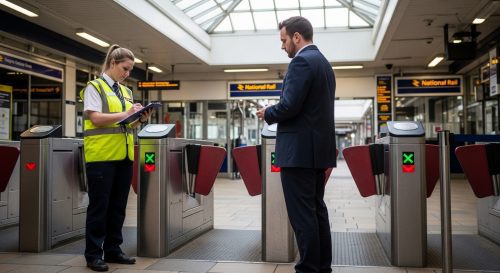
A ticket check on a Nottingham tram can quickly turn from routine to serious if you cannot produce a valid fare. In practice, penalties for fare evasion in Nottingham are grounded in UK legislation and local tram bylaws, giving enforcement officers real authority to act. What may begin as an on-the-spot fine can escalate into a formal report, prosecution, and court-imposed financial penalties. In more severe or repeated cases, criminal convictions, higher fines, and potential travel restrictions become possible. This guide breaks down the legal basis, offence categories, enforcement approach on Nottingham’s network, and what repeat offenders are likely to face.
Legal Basis for Fare Evasion Penalties

Fare evasion penalties in Nottingham are governed by national UK legislation and local bylaws, creating a robust legal framework to deter ticketless travel across trams, buses, and trains.
Key laws include the Transport Act 2000 section 30 for intentional evasion, Railway Byelaws 2005 Regulation 21, and local bylaws enforced by NET and NCT. Ministry of Justice stats show 1,247 fare evasion prosecutions in England and Wales in 2022. These rules apply when passengers travel without a valid ticket, such as skipping barriers or using an invalid pass.
In practice, a revenue protection officer may issue a fixed penalty notice on the spot during random checks or at hotspots like Nottingham station. If unpaid, fines escalate to court, where Magistrates can impose higher amounts. Repeat offenders face stricter measures, including potential community orders.
Understanding this basis helps avoid fare dodging consequences. Always validate tickets at machines or contactless readers, especially on NET trams or NCT buses. Compliance supports public transport funding and reduces enforcement costs.
Relevant UK Legislation
Section 30 of the Transport Act 2000 makes intentional fare evasion a criminal offence punishable by fines up to £1,000, while Railway Byelaws 2005 Regulation 21 imposes £100 fixed penalty notices for travel without a valid ticket.
The Regulation of Railways Act 1889 sets a maximum £200 fine plus costs for related offences. Courts handle serious cases, with Magistrates’ maximum at £5,000 for unlimited fine offences. For example, barrier evasion at stations triggers these under the Railway Byelaws.
A ticket inspector issues penalties immediately if you lack proof of payment, like a single ticket or a season ticket. Unpaid notices double after the payment deadline, leading to a court summons. Experts recommend checking fare zones and zonal pricing before travel to stay compliant.
Common scenarios include contactless payment failure or invalid concessionary passes, treated as evasion. Plead guilty online via a single justice procedure to mitigate fines based on income. This legislation deters fare dodgers across trains and trams in Nottingham.
Nottingham-Specific Bylaws
Nottingham Express Transit (NET) Tram Byelaws 2018 impose £80 single justice procedure fines, while Nottingham City Transport bus bylaws reference Transport Act penalties with immediate inspector enforcement.
NET’s Article 17 covers tram fare evasion, with Band A fines of £80 for first offences like not touching in at validators. NCT Conditions of Carriage clauses 4.2-4.5 allow £50-£100 fines for bus fare evasion, enforced by officers on routes. East Midlands Railway rules at Nottingham station add penalties for train fare evasion, including station gate breaches.
NET issued 4,200 penalty notices in 2023 per their annual report, often at evasion hotspots like Victoria Centre tram stop. Officers use CCTV surveillance and random checks for detection. Pay as you go with bank cards or apps avoids issues, but lost ticket excuses rarely cancel fines.
For appeals, contact the transport authority with evidence of extenuating circumstances, like machine faults. Repeat offenders see escalating penalties, from Band A to Band B fines. Always carry proof, such as day rider tickets, to cooperate during checks and uphold civic duty on public transport.
Types of Fare Evasion Offences
Fare evasion ranges from one-off incidents to deliberate repeat offending, with penalties escalating based on offence severity and offender history as defined in national guidelines. Opportunistic single evasions often result in Band A fines, while intentional systematic dodging leads to Band B or C penalties, potentially involving court. The Sentencing Council guidelines outline these bands for public transport operators like NET trams and East Midlands Railway.
In Nottingham, most cases handled by British Transport Police involve first offences. Revenue protection officers issue Penalty Fare Notices (PFNs) for travel without a valid ticket on trams, buses, or trains. Repeat fare dodgers face prosecution under the Transport Act 2000 or Railway Byelaws.
Common scenarios include barrier evasion at Nottingham station or skipping validators on NET trams. Enforcement uses CCTV surveillance and random checks to detect ticketless travel. Paying promptly avoids escalation to court summons or criminal records.
Understanding these distinctions helps passengers comply with fare structures, such as zonal pricing or contactless payments. Operators like Nottingham City Transport and Nottingham Express Transit promote ticket purchasing via apps or machines to prevent accidental evasion.
Single Journey Evasion
Single journey evasion typically attracts a Band A £80 Penalty Fare Notice (PFN) issued on-the-spot by revenue protection officers, payable within 14 days to avoid escalation. This applies to NET trams at £80, or EMR trains at £100 for travel without a ticket. Officers confront evaders at barriers or gates during routine checks.
The process starts with an inspector confrontation, often at evasion hotspots like Victoria Centre tram stop or Nottingham station barriers. You receive the PFN with a payment deadline, doubling to £160 if ignored. Use bank cards, Apple Pay, or apps for quick settlement.
For invalid tickets or contactless payment failures, explain the circumstances like a broken machine, but provide proof if possible. Extenuating cases, such as disability exemptions, may allow appeals. Always validate with the readers to avoid on-spot fines.
First-time offenders benefit from this civil penalty system under local byelaws. Prompt payment prevents progression to the Magistrates Court. Research suggests early compliance reduces overall legal penalties for public transport users in Nottingham.
Repeat or Systematic Evasion
Repeat offenders face Band B £150+ fines and court summons under the single justice procedure, with evidence from CCTV and multiple Penalty Fare Notices triggering prosecution. Fines escalate: first £80, second £150, third to court with average £450 penalties. A fourth offence can lead to a criminal record.
In one Nottingham case, a repeat fare dodger received a £1,200 fine plus costs in 2023. East Midlands data shows patterns among persistent evaders on NCT buses or trains. Prosecutors review ticket history and evasion detection methods like facial recognition trials.
Court options include online pleas, guilty or not guilty, with mitigation for affordability. Judges may impose community orders, suspended sentences, or rare imprisonment for severe cases. Additional costs cover prosecution, victim surcharge, and enforcement, such as bailiffs.
Avoid escalation by switching to season tickets or pay-as-you-go schemes. Common excuses like “forgot wallet” rarely succeed without evidence. Compliance with integrated ticketing supports Nottingham’s public transport funding and deters fare dodging.
Financial Penalties

Financial penalties range from immediate £80-£100 on-the-spot fines to court-imposed penalties averaging £450, with unpaid fines doubling and accruing enforcement costs. In Nottingham, operators like NET trams, NCT buses, and East Midlands Railway enforce these under local byelaws and the Transport Act 2000. Most fare evaders face fixed penalty notices from revenue protection officers during random checks or at barriers.
The table below outlines typical penalty levels for fare evasion across Nottingham’s public transport. Initial fines apply if paid promptly, but delays lead to increases. Court cases add further charges, making early payment key to avoiding escalation.
| Offence Type | Initial Fine | Unpaid (14 days) | Court Average |
|---|---|---|---|
| NET trams | £80 | £160 | £450+ |
| NCT buses | £50 | £100 | £450+ |
| East Midlands Railway | £100 | £200 | £450+ |
Operators report high compliance with on-spot payments, helping deter ticketless travel. Repeat offenders risk prosecution as a criminal offence, with fines adjusted by income. Always carry proof of payment, like a valid single ticket or season ticket, to avoid these consequences.
On-the-Spot Fines
Revenue protection officers issue Penalty Fare Notices instantly: NET trams £80, NCT buses £50, East Midlands Railway £100, all payable by cash/card within 14 days. These apply to tram fare evasion, bus fare evasion, or train fare evasion, such as passing barriers without a ticket. Officers use ticket inspectors at hotspots like Nottingham station or Victoria Centre tram stop.
Payment methods vary by operator. NET accepts contactless payments or Apple Pay on the spot. NCT requires cash on the bus, while EMR directs to the station machines.
- NET: Pay via card reader or app within 14 days.
- NCT: Cash to driver or enforcement officer.
- EMR: Use the ticket machine or the online portal.
Appeal within 21 days through the operator portal for extenuating circumstances, like a broken machine, with proof required. Common excuses such as “forgot wallet” or “lost ticket” rarely succeed without evidence. Submit online pleas promptly to challenge the fixed penalty notice.
Court-Imposed Fines
Magistrates’ Court fines average £450 for prosecuted cases, plus £154 victim surcharge, £85 prosecution costs, and income-assessed amounts up to £5,000 maximum. Unpaid on-spot fines lead to a court summons under Railway Byelaws or local byelaws. Judges consider factors like prior offences and affordability during means assessment.
The fine structure includes a base amount of £200-£1,000, plus 40% victim surcharge (minimum £20) and costs. For example, a 2023 Nottingham case resulted in a £350 fine, £140 surcharge, and £85 costs, totalling £575. Repeat fare dodgers face escalating penalties, potentially including community orders.
Mitigation options exist via a guilty plea or a not guilty plea online through the single justice procedure. Courts award costs and may impose attachment of earnings if unpaid. Seek a duty solicitor’s advice for legal aid eligibility to argue invalid ticket claims or contactless payment failure.
Enforcement follows non-payment, with bailiffs or driving disqualification possible. Sentencing Council guidelines ensure fines match income bands. Paying promptly avoids these severe legal penalties and supports public transport funding.
Criminal Penalties

Persistent fare evasion becomes criminal with a court summons, potentially leading to criminal records, community orders, and imprisonment for deliberate, systematic offending. In Nottingham, this threshold often involves three or more unpaid penalty fares or clear evidence of intent from revenue protection officers on NET trams, NCT buses, or East Midlands Railway services.
A single Penalty Fare Notice (PFN) remains a civil matter, but repeated evasion triggers prosecution under the Transport Act 2000 section 30. Offenders face summons from British Transport Police, especially at hotspots like Nottingham station or Victoria Centre tram stop, where ticket barriers and CCTV aid detection.
Court outcomes vary by case severity. First-time offenders might receive fines, while repeat offenders risk community orders or short custody terms. Practical advice includes paying PFNs promptly within the 14+21-day window to avoid escalation to court prosecution.
Mitigating factors like affordability or disability can reduce penalties during hearings. Always carry proof of payment, such as mobile app tickets or contactless records, to counter claims of ticketless travel.
Prosecution Process
Operators refer unpaid PFNs to the British Transport Police prosecution unit; offenders receive a postal summons with a 28-day response deadline for guilty/not guilty plea via online single justice procedure. This process applies to tram fare evasion on NET services, bus fare evasion with NCT, and train cases.
- PFN remains unpaid after the initial 14 days plus a 21-day reminder period.
- Operators compile an evidence pack, including ticket inspector statements and CCTV, for CPS or BTP review.
- Summons posted to the offender’s address with court date details.
- Online plea entry: guilty pleas result in immediate fine setting; not guilty leads to a hearing.
- Most cases use a single justice procedure for quick resolution without a full court appearance.
During the plea, submit mitigation like income struggles or disability affecting ticket purchase. For example, explain “broken ticket machine” with evidence to challenge the notice.
Respond promptly to avoid bailiffs or attachment of earnings. Seek duty solicitor advice for complex cases involving invalid tickets or zonal pricing disputes.
Maximum Sentences
Magistrates’ Court maximum under Transport Act 2000: unlimited fine plus three months imprisonment for standard fare dodging; extreme organised evasion can reach higher via the Crown Court. Sentencing Council guidelines emphasise fines for most, reserving jail for persistent cases.
In practice, courts impose fines scaled to income, plus a victim surcharge, prosecution costs, and compensation. A rare example involved a 2019 London evasion leader receiving 12 months suspended sentence and a substantial fine, highlighting risks for fare evasion rings.
Nottingham cases rarely exceed fines due to single justice efficiency. Repeat court summons can lead to community orders, driving disqualification, or travel bans in severe instances.
To minimise risks, use valid season tickets, day riders, or pay-as-you-go options like Apple Pay at validators. If facing a summons, prepare evidence of “forgot wallet” or machine faults, though common excuses seldom succeed without proof.
Additional Consequences
Beyond fines, fare evaders face travel bans, driving license endorsements, bailiff enforcement, and attachment of earnings orders for persistent non-payment. These cascading consequences start with ignored fixed penalty notices leading to court summonses under the Transport Act 2000 or Railway Byelaws. Unpaid fines escalate, affecting daily life in Nottingham’s public transport network.
For instance, repeat offenders on NET trams or East Midlands Railway trains risk Magistrates Court prosecution. This can result in community orders or even imprisonment for severe cases. Rail Delivery Group data shows 15% of fines go to bailiffs annually, highlighting enforcement pressure.
A criminal record from fare evasion impacts employment checks and international travel. Employers in transport sectors often review such records. Job seekers with convictions face barriers, while travelling without a ticket becomes a repeated risk.
Practical steps include paying the penalty fare by the deadline to avoid escalation. Contact revenue protection officers promptly if facing hardship. Nottingham City Council advises early mitigation to prevent attachment of earnings.
Bans and Restrictions
NET and EMR can impose 12-month travel bans on repeat offenders, while unpaid fines over £1,000 may trigger driving disqualification under the Road Traffic Act s.96. These measures target tram fare evasion and train fare evasion in Nottingham. Operators like Nottingham Express Transit enforce bans after three or more offences.
For example, in 2022, EMR banned 47 repeat evaders from Nottingham services. NET follows suit with restrictions barring access to trams from hotspots like the Victoria Centre tram stop. Such bans halt the use of season tickets or pay-as-you-go options entirely.
- Operator bans prevent boarding NET trams or NCT buses for up to a year.
- Driving disqualification adds six points for fines exceeding £1,000 linked to evasion.
- Attachment of earnings deducts from wages, with passport seizure as a last resort.
- Universal Credit faces deductions until the penalty fare is cleared.
To challenge restrictions, submit an online plea via the single justice procedure. Provide proof, like a lost ticket or a broken machine incident. Experts recommend guilty pleas with mitigation for affordability assessments to reduce impacts.
Enforcement by Nottingham Trams

NET employs 25 revenue protection officers conducting random checks, CCTV monitoring at 7 hotspots, including Victoria Centre (1,200 fines 2023), issuing £80 PFNs with 92% collection rate.
These revenue protection officers patrol trams and stops, especially during peak hours from 5-7 pm. They perform random ticket inspections to catch ticketless travel or invalid tickets. Passengers must show proof of payment, such as mobile app tickets or contactless validation.
NET uses CCTV surveillance at key locations like Victoria Centre and Nottingham Station. Facial recognition trials at barriers help detect repeat offenders. In 2023, NET issued 4,200 penalty fare notices, generating £336k in revenue.
Campaigns since 2021 have led to an 18% drop in fare evasion. Enforcement focuses on hotspots with high evasion rates. Always validate your ticket at the readers to avoid fixed penalty notices.
Notice: Informational Content Disclaimer
The content provided on this website, including articles, blog posts, and other informational materials, is intended for general informational purposes only. It is not intended as, and should not be considered, legal advice.
Visitors to this website should be aware that the information presented here is not a substitute for seeking legal advice from a qualified solicitor or legal professional. Each individual's legal situation is unique, and the information provided may not be applicable to specific circumstances.
If you require legal advice or have specific legal questions, we encourage you to contact us directly. Our experienced team of solicitors is here to assist you with your legal needs and provide tailored advice to address your concerns.
Please be advised that any communication through this website, including the use of contact forms or email, does not create a solicitor-client relationship. Confidential or time-sensitive information should not be sent through this website. To establish a solicitor-client relationship and discuss your legal matters in detail, please contact us for a consultation.
We strive to provide accurate and up-to-date information, but we make no representations or warranties regarding the accuracy, completeness, or suitability of the information contained on this website. We shall not be liable for any reliance placed on the information provided herein.
Thank you for visiting our website. We look forward to the opportunity to assist you with your legal needs.