
Can You Refuse a Breathalyser Test in the UK? Your Legal Rights Explained

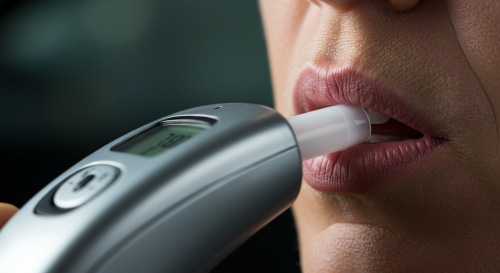

Can You Refuse a Breathalyser Test in the UK? Your Legal Rights Explained
Being stopped by the police and asked to take a breathalyser test can be an intimidating experience, especially if you are unsure of your rights or the potential consequences of refusal.
Being stopped by the police and asked to take a breathalyser test can be an intimidating experience, especially if you are unsure of your rights or the potential consequences of refusal. Many drivers are unaware that to refuse a breathalyser test, or to decline to provide a specimen of breath, blood or urine when lawfully requested, can carry serious legal penalties — in some cases, even harsher than if you had failed the test.
At Makwanas, we understand that every case is unique and that there may be genuine reasons why you could not provide a specimen. Our experienced motoring offence solicitors specialise in defending drivers accused of failing to provide a specimen, ensuring that your rights are fully protected throughout the process.
Whether you require urgent advice after being arrested or a robust defence in court, our team has a proven record of securing favourable outcomes for clients in drink driving and related offences.
If you have been charged with failing to provide a specimen or are facing police investigation, it is essential to seek legal advice immediately. Early intervention can often result in reduced penalties, or in some cases, complete acquittal.
Book Your Free Discovery Call Today – Speak to a solicitor and understand your legal options.
Why Choose Our Drink Driving Defence Solicitors?

At Makwanas, we provide specialist legal advice and representation to drivers facing breathalyser-related charges. Here is why clients trust us:
- Specialist Knowledge – We have extensive experience defending against allegations under the Road Traffic Act 1988, including “Failing to Provide a Specimen” offences.
- Proven Track Record – We have successfully challenged unlawful roadside stops and procedural errors, leading to cases being dismissed.
- Tailored Legal Strategies – We examine every detail, from the legality of the stop to the condition of the breathalyser equipment.
- Fixed-Fee Pricing – Transparent costs with no hidden charges.
- Proactive Defence Approach – We act quickly to gather evidence and challenge the prosecution case from the outset.
Is it Illegal to Refuse a Breathalyser Test in the UK?
Yes — under section 7 of the Road Traffic Act 1988, it is a criminal offence to refuse to provide a specimen of breath, blood or urine when lawfully required to do so by the police. This applies whether you are tested at the roadside or at a police station.
Common Situations Leading to a Request for a Specimen:
- Being stopped by police on suspicion of drink driving.
- Being involved in a road traffic accident.
- Being stopped at a random roadside breath test checkpoint.
Are There Any Lawful Excuses for Refusing?
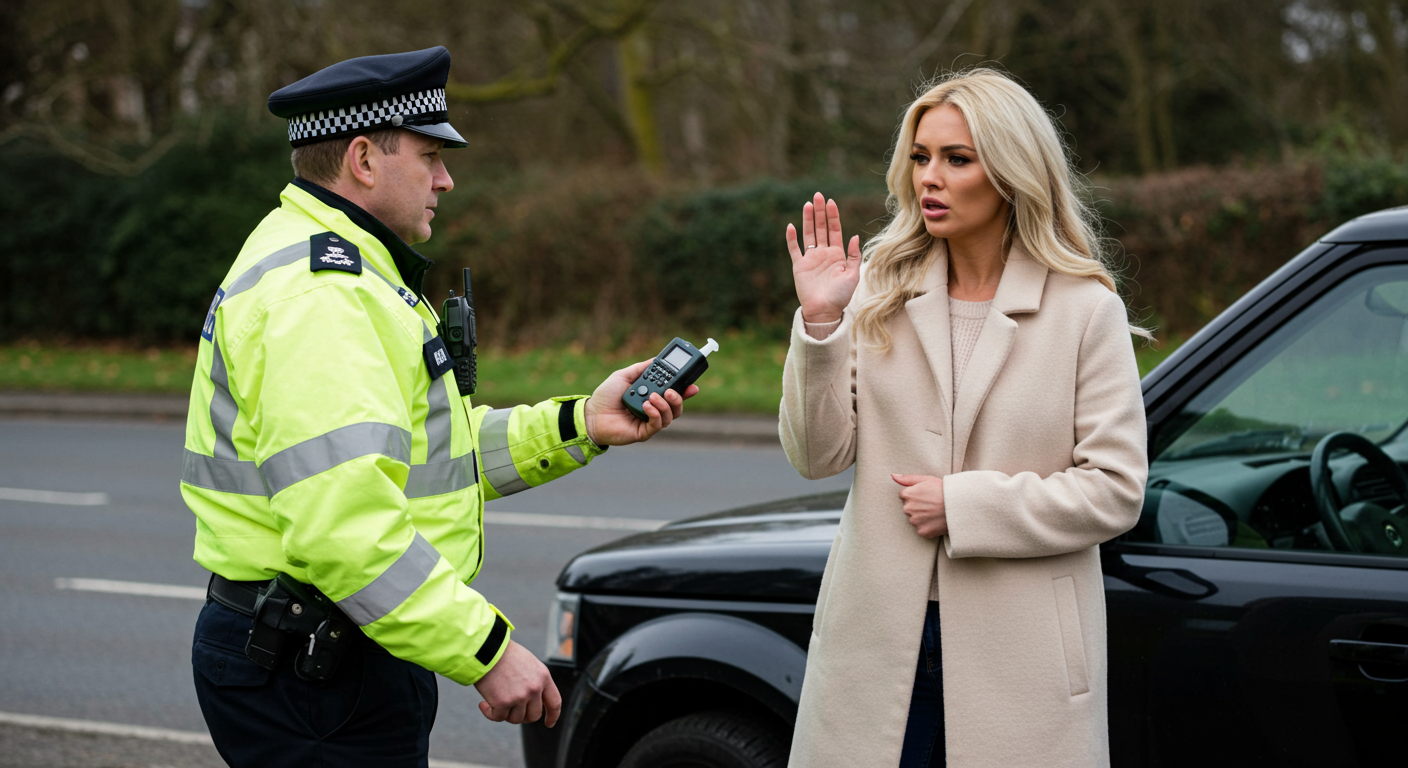
You may have a reasonable excuse for not providing a specimen. Examples include:
- Medical conditions such as asthma, chest infections or panic attacks making it physically impossible to blow into the device.
- Mental health conditions affecting your ability to comply.
- A genuine inability to understand the instructions, for example due to language barriers (if not addressed by the police).
The courts require credible evidence of any such excuse, which is why specialist legal representation is crucial.
What Are the Penalties for Refusing a Breathalyser Test?
The penalties can be severe and may include:
- Driving disqualification – Minimum 12 months for a first offence, and at least 3 years if you have a prior relevant conviction.
- Unlimited fine – The amount depends on your income.
- Imprisonment – Up to 6 months in serious cases.
- Criminal record – This can affect employment, travel and future opportunities.
In many cases, the punishment for refusal is the same or greater than if you had taken the test and been found over the limit.
How We Can Help You Avoid Conviction

In many “fail to provide” cases, we can:
- Challenge whether the police followed correct procedure when requesting the specimen.
- Prove that you had a genuine and reasonable excuse.
- Identify technical issues with the testing equipment or process.
- Negotiate reduced penalties or alternative disposals.
Frequently Asked Questions: Can You Really Refuse a Breathalyser Test in the UK?
Can I refuse a roadside breath test?
You can refuse, but unless you have a reasonable excuse recognised in law, you will be arrested and face prosecution.
What happens if I fail to provide a specimen at the police station?
This is treated as a separate criminal offence, with serious penalties including a mandatory driving ban.
Is it better to refuse than to fail?
No — in most cases, refusal carries similar or even harsher penalties than a failed test.
Will I go to prison for refusing?
Prison is possible in serious cases, particularly if your driving was dangerous or you have prior convictions.
How can a solicitor help me?
A solicitor can examine the circumstances of your arrest, identify legal defences, and argue for reduced penalties.
Notice: Informational Content Disclaimer
The content provided on this website, including articles, blog posts, and other informational materials, is intended for general informational purposes only. It is not intended as, and should not be considered, legal advice.
Visitors to this website should be aware that the information presented here is not a substitute for seeking legal advice from a qualified solicitor or legal professional. Each individual's legal situation is unique, and the information provided may not be applicable to specific circumstances.
If you require legal advice or have specific legal questions, we encourage you to contact us directly. Our experienced team of solicitors is here to assist you with your legal needs and provide tailored advice to address your concerns.
Please be advised that any communication through this website, including the use of contact forms or email, does not create a solicitor-client relationship. Confidential or time-sensitive information should not be sent through this website. To establish a solicitor-client relationship and discuss your legal matters in detail, please contact us for a consultation.
We strive to provide accurate and up-to-date information, but we make no representations or warranties regarding the accuracy, completeness, or suitability of the information contained on this website. We shall not be liable for any reliance placed on the information provided herein.
Thank you for visiting our website. We look forward to the opportunity to assist you with your legal needs.