What Happens if You’re Caught Fare Dodging in Bristol


What Happens if You’re Caught Fare Dodging in Bristol
Picture this: you’re sprinting through Bristol’s bustling streets, dodging a bus fare to save a few quid—until a stern inspector steps in. Fare evasion might seem harmless, but it triggers swift legal action from operators like First Bus. This article unravels the immediate confrontations, hefty fines via Single Justice Procedure Notices, court prosecutions, financial hits, and hidden risks—leaving you desperate to know if it’s worth the gamble.
Understanding Fare Dodging in Bristol
Fare dodging in Bristol involves intentionally avoiding payment on public transport systems like First Bus routes and GWR trains from Temple Meads. This practice, known as ticketless travel, affects operators through lost revenue. It applies to both buses under the Road Vehicles Act 1988 and trains via Byelaw 18.
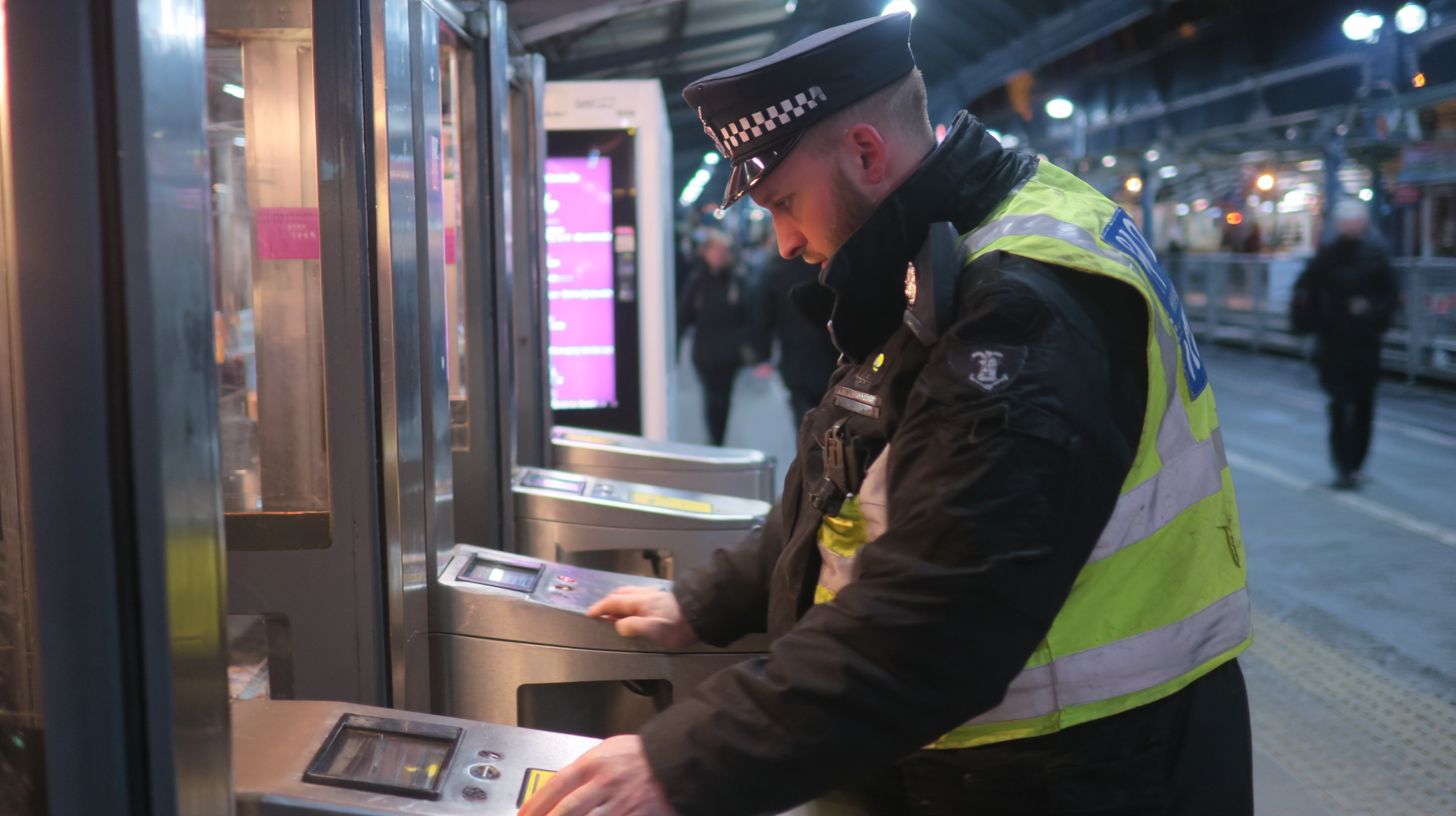
Common methods include ticket barrier evasion at busy stations like Temple Meads, where people jump turnstiles. On buses, riders might exit before bus gates on Park & Ride services to skip inspections. These tactics lead to confrontations with ticket inspectors or revenue protection officers.
- Contactless skip on GWR: Tap out without tapping in at Bristol Parkway.
- Hiding in toilets during onboard checks on longer routes.
- Group fare dodging: Misusing child fares for adults in family groups.
Operators like First Bus Bristol and GWR Bristol use CCTV footage and patrols to detect evasion. British Transport Police in Bristol monitor hotspots. Getting caught often results in a fixed penalty notice or further action.
Definition and Common Methods
The most prevalent methods in Bristol include turnstile jumping at Temple Meads and premature exit from Park & Ride buses before ticket checks. Fare dodging means travelling without a valid ticket, breaching specific laws for each mode. Train fare evasion falls under Byelaw 18, while bus fare evasion ties to the Road Vehicles Act 1988.
Operators track techniques through station cameras and onboard inspections. For instance, platform loitering without a ticket draws BTP patrols at Bristol Parkway. Fake e-ticket screenshots fail QR validation during checks.
- Barrier jump at Temple Meads: Captured often on CCTV.
- Bus rear door exit: Common on First Bus services.
- Contactless double-tap dodge: Skipping initial tap on GWR.
- Group child fare abuse: Adults posing as children in groups.
Detection relies on conductor confrontation and app ticket validation. Real incidents include polite evasion excuses like “forgot my wallet” during checks. Repeat offenders face prosecution for fare dodging via a single justice procedure notice.
Legal Basis and Authorities Involved
Railway Byelaws 2005 (Byelaw 18) and Transport Act 2000 govern fare evasion in Bristol, enforced by British Transport Police (BTP), Revenue Protection Officers (RPOs), and operators like First Bus and GWR.
These laws set out penalty fares starting at £100 for train fare evasion on railways. Bus fare evasion falls under the Road Vehicles (Construction & Use) Regulations 1986 with £80 fixed penalties. Repeat offences may trigger the Fraud Act 2006, leading to prosecution.
For example, jumping a ticket barrier at Temple Meads station counts as breaching Byelaw 18. Authorities issue a Single Justice Procedure notice or court summons for serious cases, risking a criminal record.
The four main authorities include BTP Bristol for station patrols, GWR RPOs for onboard checks, First Bus Inspectors with 15 daily teams, and Network Rail security. BTP contact is 0800 405040, covering Bristol hotspots like Temple Meads and Parkway. First Bus Inspectors operate city-wide, GWR RPOs on trains, and Network Rail at platforms.
- BTP Bristol: Station patrols, non-emergency 101.
- GWR RPOs: Onboard inspections, contact via station staff.
- First Bus Inspectors: Bus gates and routes, report via operator app.
- Network Rail security: Platforms and CCTV, tied to BTP.
Jurisdictions focus on Bristol evasion hotspots such as Temple Meads ticket barriers, Bristol Parkway platforms, and bus gates near park and ride spots.
First Bus and Other Operators’ Policies
First Bus Bristol issues £100 Fixed Penalty Notices (FPNs) for fare evasion, doubling to £200 for repeat offenders within 12 months per their 2024 Passenger Policy.
Operators enforce strict rules during onboard inspections or at bus stops. For instance, skipping contactless payment leads to an immediate FPN, with options for instalment plans based on income.
Here is a comparison of key policies:
| Operator | Base Fine | Repeat Fine | Appeal Window | Payment Methods |
|---|---|---|---|---|
| First Bus | £100 | £200 | 14 days | Online, app, post |
| GWR | £100 | £200 | 21 days | App, phone, station |
| Stagecoach | £80 | £160 | 7 days | Cash, card, online |
| Uber Bristol | App block | Debt collection | N/A | App charge |
First Bus states in its policy, “Fare evasion undermines services for paying passengers.” Appeals succeed when providing proof like a faulty app screenshot, though processes vary. GWR allows appeals online for underpayment charges, while Stagecoach demands quick payment to avoid escalation.
The Immediate Confrontation
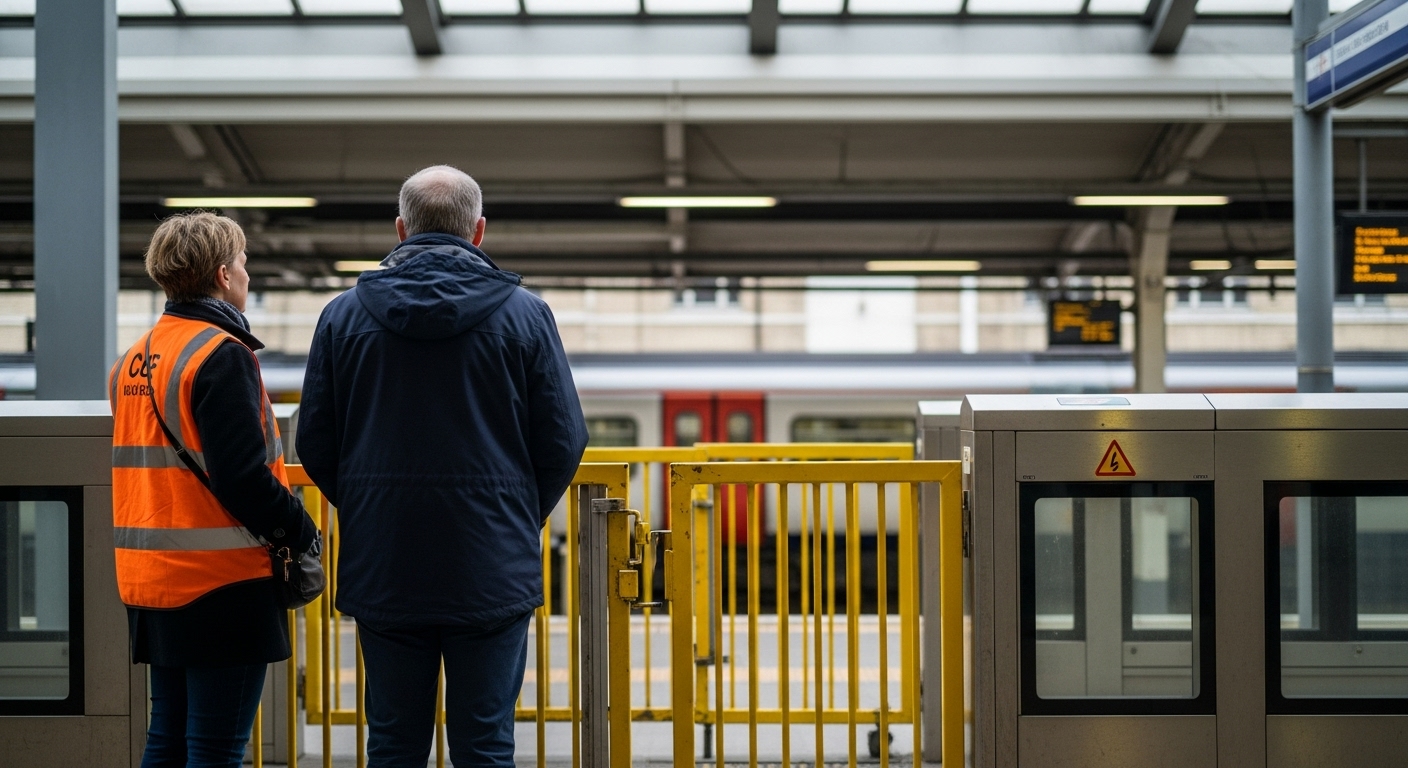
Confrontation typically occurs during random ticket inspections by Revenue Protection Officers, with GWR reporting 5,200 checks monthly across Bristol routes.
One common scenario is an onboard train sweep, where a Revenue Protection Officer starts at the rear carriage of a GWR Bristol service. They move forward systematically, checking tickets with handheld validators. Officers request ID if no valid ticket appears, and refusal leads to logging details for a £1,000+ court escalation.
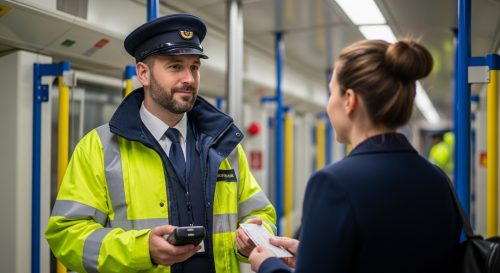
Another situation happens during a bus inspection at a layover, with teams of two covering all doors on First Bus Bristol services. They scan for valid tickets or contactless payments, rejecting excuses like a dead phone battery. Non-compliance prompts a fixed penalty notice or British Transport Police involvement.
At Temple Meads station during peak hours, barrier checks intensify with ticket inspectors at turnstiles. Fare dodgers attempting turnstile jumping face immediate detention and ID demands. Persistent refusal escalates to a single justice procedure notice or court summons.
Park & Ride validation catches occur at dedicated zones, where officers verify zonal fares before buses depart. Missing validation triggers an underpayment charge, doubling the fare as a penalty. Officers follow protocols to photograph evidence and issue on-site fines.
Inspection Process On-Site
Officers follow a standardised 7-step process: 1) Visual scan, 2) Ticket request, 3) App/QR validation, 4) ID verification, 5) Incident logging, 6) Penalty notice issue, 7) Photo evidence. The entire process averages 90 seconds using handheld validators and bodycams.
Step 1 involves a quick visual scan for obvious ticketless travel, like hiding in toilets or loitering in waiting rooms. Bodycams record interactions for evidence. This sets the tone for polite but firm enforcement.
In steps 2 and 3, officers request tickets and validate via app or QR code check, rejecting common excuses such as “phone battery dead” or “app crashed”. E-ticket screenshots often fail scrutiny due to tech checks. Escalation triggers like verbal abuse lead to BTP arrest per the training manual procedures.
- Visual scan (10 seconds): Spot fare dodgers using CCTV footage or station cameras.
- Ticket request (10 seconds): Ask for proof of payment, including railcards or contactless history.
- App/QR validation (20 seconds): Scan mobile tickets; fake screenshots trigger deeper checks.
- ID verification (15 seconds): Demand a driving licence or passport; refusal notes name and description.
- Incident logging (15 seconds): Enter details into handheld devices for Bristol Transport records.
- Penalty notice issue (15 seconds): Hand over the FPN or SJP notice with fine amount details.
- Photo evidence (5 seconds): Capture an image of the person and any items for prosecution.
Refusal at any step, like claiming “forgot wallet at home”, escalates to court summons risks, including maximum fines of over £1,000. Experts recommend cooperating to avoid fare evasion consequences like criminal records.
Standard Penalties and Fines
Standard penalty fares start at £100 for GWR trains (double the full adult fare) and £80 for First Bus, payable immediately or within 14-21 days. These apply when a ticket inspector or revenue protection officer catches you during fare dodging in Bristol. Operators enforce them to deter ticketless travel on public transport in Bristol.
For Great Western Railway (GWR Bristol), the base penalty matches the double fare penalty rules. First Bus Bristol issues fixed amounts on the spot during onboard inspection. Both require quick payment to avoid escalation to a court summons.
Payment options include online portals, operator apps, or Post Office branches. For fines over £200, instalment options exist with income-assessed plans. Contact the operator promptly after receiving the notice to discuss means-tested arrangements.
| Operator | Base Penalty | Double Fare? | Payment Deadline | Late Fee |
|---|---|---|---|---|
| GWR Bristol | £100+ | Yes | 21 days | Additional charge |
| First Bus Bristol | £80 | No | 14 days | Doubles to £160 |
| Bristol Transport (other) | Varies | Case by case | 14-21 days | Court costs added |
Single Justice Procedure Notice (SJPN)
SJPN allows prosecution without a court appearance for offences up to £1,000, which is used in many Bristol fare evasion cases. Authorities mail the single justice procedure notice within 14 days of the incident at hotspots like Temple Meads station. It outlines the fare evasion consequences and response steps.
A sample notice might read: “You are accused of fare dodging on GWR Bristol by passing a ticket barrier without a valid ticket on [date].” You have 28 days to respond. Options include a guilty plea for fine auto-deduction or contesting for a magistrates’ hearing.
- Notice mailed within 14 days.
- Guilty plea leads to fine payment, often via benefit deduction or as civil debt.
- Contest triggers Bristol magistrates’ court appearance.
- Max penalty reaches £1,000 fine plus costs and victim surcharge.
Most recipients pay without contest to avoid criminal record risks from prosecution. If caught again as a repeat offender, expect higher fines or travel restrictions. Seek advice early on penalty fare appeal if you have a valid excuse, like a faulty app ticket.
Criminal Prosecution Process
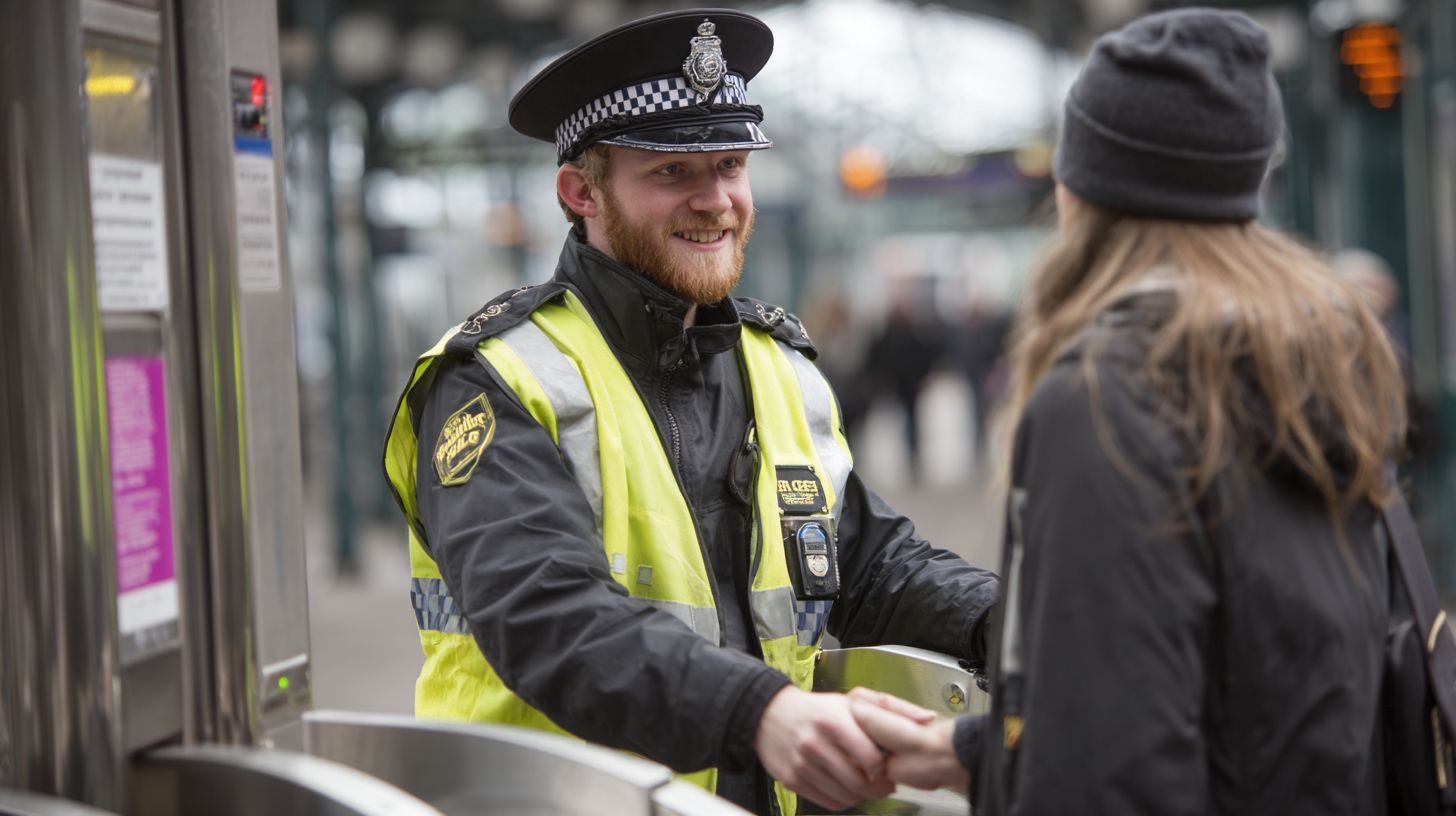
Repeat offenders face magistrates court prosecution under the Fraud Act 2006, with Bristol courts handling 1,800 fare cases annually. Ignoring a Single Justice Procedure Notice (SJPN) triggers this process for serious fare dodging incidents, such as repeated turnstile jumping at Temple Meads station or onboard inspection evasion on GWR Bristol trains.
The first stage occurs when the SJPN is ignored. Revenue protection officers from First Bus Bristol or Great Western Railway issue this notice after catching ticketless travel. Failing to pay within 21 days escalates the matter.
Next, a court summons is issued by post. This requires attendance at Bristol Magistrates Court. Defendants must prepare evidence, like proof of payment attempts, to contest train fare evasion or bus fare evasion claims.
A single justice hearing follows for uncontested cases, handled remotely by one magistrate. If guilty, fines or orders are imposed. Contesting leads to a full magistrates’ hearing with witnesses, such as ticket inspectors detailing the conductor confrontation.
Contested cases go to a full magistrates’ hearing. Evidence like CCTV footage from station cameras strengthens the prosecution. Losing means penalties; winners avoid records.
Finally, appeals go to the Crown Court. This rare step reviews magistrate decisions on fare evasion consequences. Legal aid may help repeat offenders with criminal records.
Court Appearance and Outcomes
Bristol Magistrates Court outcomes range from £220 fines for first criminal offences to 3-month community orders, with 12% receiving criminal records. These apply to caught fare dodging via methods like contactless payment skip on public transport in Bristol or ticket barrier evasion at Bristol Parkway. Courts consider factors like prior fixed penalty notices (FPNs).
Possible outcomes include varied penalties tailored to the case. Means-tested fines adjust based on income, avoiding undue hardship for low earners caught in penalty fare scenarios. Experts recommend checking eligibility early.
- Conditional discharge: No immediate penalty if no reoffending, common for minor first-time underpayment charges.
- £220-£1,000 fine: Standard for most cases, payable online or via instalments for double fare penalty evasions.
- Community order: Supervised tasks for repeat train fare evasion, up to 3 months.
- 6-month ban: Travel restriction on Bristol Transport networks for persistent offenders.
- 14-day custody: Rare for extreme prosecution fare dodging, like group evasion.
- Compensation: £50-200 to operators like GWR Bristol for losses from ticket inspector confrontations.
Courts use a means-tested fine calculator to set amounts, factoring in benefits or salary. A conviction impacts DBS record checks, affecting jobs or mortgages. Pay promptly to avoid civil debt or benefit deductions.
Financial Consequences
Unpaid fines become civil debts enforced by bailiffs, with DWP deductions of £3.30/week from Universal Credit per 2024 regulations. If caught fare dodging in Bristol, the initial hit starts with a £100 fixed penalty notice from operators like First Bus Bristol or GWR Bristol. Ignoring it escalates quickly to court action.
A single justice procedure notice or court summons follows non-payment, often leading to a total of around £550, including fines, costs, and surcharges at Bristol Magistrates Court. Penalty fare appeals exist but rarely succeed without strong evidence, like a faulty ticket machine. Repeat offenders face means-tested penalties based on income.
Bailiff fees add another £235 or more if enforcement reaches that stage, turning the debt aggressive with added compliance costs. Instalment plans cap at 12 months, allowing smaller monthly payments via online options. For low-income individuals, benefit deductions apply automatically.
A County Court Judgment for unpaid amounts harms credit scores, complicating mortgage applications or rentals. Use the gov.uk fine calculator to estimate totals before pleading inability to pay. Proactive contact with Bristol Transport or revenue protection officers prevents this cascade.
Initial Penalty and Escalation
The fine amount for ticketless travel begins at £100 for bus fare evasion or train fare evasion in public transport in Bristol. Ticket inspectors issue an FPN on the spot during onboard inspection or at Temple Meads station barriers. Pay immediately to avoid extras.
Non-payment triggers a court summons, where magistrates impose fines up to £1,000 plus victim surcharges. Excuses like “forgot wallet” or “app crash” rarely work against CCTV footage or station cameras. Polite evasion fails under revenue protection scrutiny.
Underpayment charges or double fare penalties apply for tricks like railcard misuse or peak fare avoidance. First Bus Bristol and GWR enforce zonal fare systems strictly at hotspots like Bristol Parkway. Early payment keeps costs low.
Court and Bailiff Costs
Bristol Magistrates Court handles prosecution for fare dodging via the single justice procedure, bundling fines with legal costs to around £550. Income-based fines adjust for means, but extras pile on regardless. Attendance avoids default judgments.
Unresolved cases pass to bailiffs, who levy £235 in fees plus seizure rights on goods. Civil debt status means no hiding; they trace addresses via electoral rolls. Community orders or good behaviour bonds loom for extremes.
DWP steps in for Universal Credit claimants, deducting £3.30 weekly per fine. Instalment fine requests at court offer relief up to 12 months. Ignoring leads to driving bans or travel restrictions on public transport in Bristol.
Long-term Credit Impact
A CCJ registers on your record for six years, raising mortgage rejection risks as lenders check for fare evasion consequences. Employment impact hits via DBS record checks for jobs needing trust. Insurance providers may hike premiums, too.
Clear debts promptly to lift CCJs early via court certificate. Benefit deduction rates compound slowly but surely for repeat offenders. Experts recommend budgeting via the fine calculator to grasp the full scope.
Avoid escalation by paying FPNs online or negotiating with the British Transport Police, Bristol, post-confrontation. Student discount fraud or group fare dodging amplifies scrutiny and costs. Responsible ticket use prevents this chain.
Additional Risks and Escalations

Beyond fines, fare dodging convictions create DBS-checkable criminal records that can affect job applications and raise insurance premiums. These records stem from prosecutions at Bristol Magistrates Court for train fare evasion or bus fare evasion. Getting caught fare dodging in Bristol often leads to wider life impacts.
A criminal record from a fixed penalty notice or court summons appears on standard checks. This affects roles in education, finance, and childcare. Experts recommend always paying fares to avoid these long-term fare evasion consequences.
- DBS record: Flags convictions, blocking many teaching or childcare jobs in Bristol.
- Employment checks: HR teams screen for theft-related offences like ticketless travel.
- Mortgage denial: CCJs from unpaid fines signal risk to lenders.
- 12-month transport ban: Courts impose restrictions on public transport in Bristol.
- Repeat offender fines: Triple penalties for multiple fare dodging incidents.
- BTP wanted status: British Transport Police lists evaders at Temple Meads station.
- AI facial recognition flagging: Station cameras spot repeat fare dodgers.
- Immigration visa impact: Records harm applications for visas or residency.
In one Bristol Magistrates case, a repeat offender faced a 12-month GWR Bristol ban after onboard inspection evasion. Another saw mortgage refusal due to an unpaid penalty fare. These examples show real escalation from polite evasion attempts.
DBS Record and Employment Barriers
A fare dodging conviction creates a DBS record that lasts for years. This blocks access to jobs requiring checks, like teaching in Bristol schools. Revenue protection officer confrontations can lead straight to this outcome.
Employers use these records during hiring for HR screening. A single justice procedure notice turns into a criminal record affecting promotions. Practical advice: Settle any SJP notice promptly to limit damage.
At Bristol Magistrates, a GWR Bristol fare evader lost a nursery job offer. His turnstile jumping at Temple Meads station resulted in DBS disclosure. Repeat incidents worsen employment impact from fare evasion.
Financial and Housing Escalations
Unpaid fines lead to CCJs, flagging mortgage applications. Lenders view fare dodging as poor financial behaviour in Bristol. This adds to the civil debt alongside the original fine amount.
Insurance premiums rise due to the theft-like nature of ticket barrier evasion. Benefit deduction can occur for means-tested penalties. Courts at Bristol Parkway cases enforce these strictly.
One case involved a First Bus Bristol dodger denied a home loan after a CCJ. His contactless payment skip escalated to a court summons. Always pay fines online to avoid such mortgage application record issues.
Transport Bans and Police Involvement
Courts issue a 12-month transport ban for serious fare evasion in Bristol. This restricts First Bus Bristol and GWR Bristol travel. BTP Bristol wanted status follows non-compliance.
Repeat offenders face triple fines under income-based assessments. AI facial recognition at hotspots like bus gates, Bristol flags ticketless travel. Confront the ticket inspector professionally to de-escalate.
Bristol Magistrates banned a serial evader after park and ride evasion. British Transport Police pursued him via CCTV footage. Good behaviour bonds prevent further travel restrictions.
Tech Detection and Long-Term Impacts
AI facial recognition at Temple Meads station identifies fare dodgers from past footage. Mobile ticketing, Bristol and QR code checks make hiding harder. Immigration checks reveal records for visa impacts.
Prosecution fare dodging via a single justice procedure notice builds travel history checks. Extreme cases lead to community orders or rare instances of imprisonment evasion. Use legitimate student discounts instead of railcard misuse.
In a notable ruling, magistrates noted AI flagged a repeat offender’s e-ticket screenshot as fake. This affected his visa renewal. Pay penalty fares immediately to dodge these escalations.
Notice: Informational Content Disclaimer
The content provided on this website, including articles, blog posts, and other informational materials, is intended for general informational purposes only. It is not intended as, and should not be considered, legal advice.
Visitors to this website should be aware that the information presented here is not a substitute for seeking legal advice from a qualified solicitor or legal professional. Each individual's legal situation is unique, and the information provided may not be applicable to specific circumstances.
If you require legal advice or have specific legal questions, we encourage you to contact us directly. Our experienced team of solicitors is here to assist you with your legal needs and provide tailored advice to address your concerns.
Please be advised that any communication through this website, including the use of contact forms or email, does not create a solicitor-client relationship. Confidential or time-sensitive information should not be sent through this website. To establish a solicitor-client relationship and discuss your legal matters in detail, please contact us for a consultation.
We strive to provide accurate and up-to-date information, but we make no representations or warranties regarding the accuracy, completeness, or suitability of the information contained on this website. We shall not be liable for any reliance placed on the information provided herein.
Thank you for visiting our website. We look forward to the opportunity to assist you with your legal needs.