What Happens if You’re Caught Fare Dodging in Leeds



What Happens if You’re Caught Fare Dodging in Leeds
Picture this: slipping through Leeds station gates without a ticket, only to face a stern guard moments later. Fare dodging might seem like a quick save, but in Leeds, it triggers swift repercussions from operators like Northern Rail and First Bus. This article unpacks common methods, immediate fines, penalty amounts, and the path to court if unpaid—revealing the real cost of getting caught.
Understanding Fare Dodging in Leeds
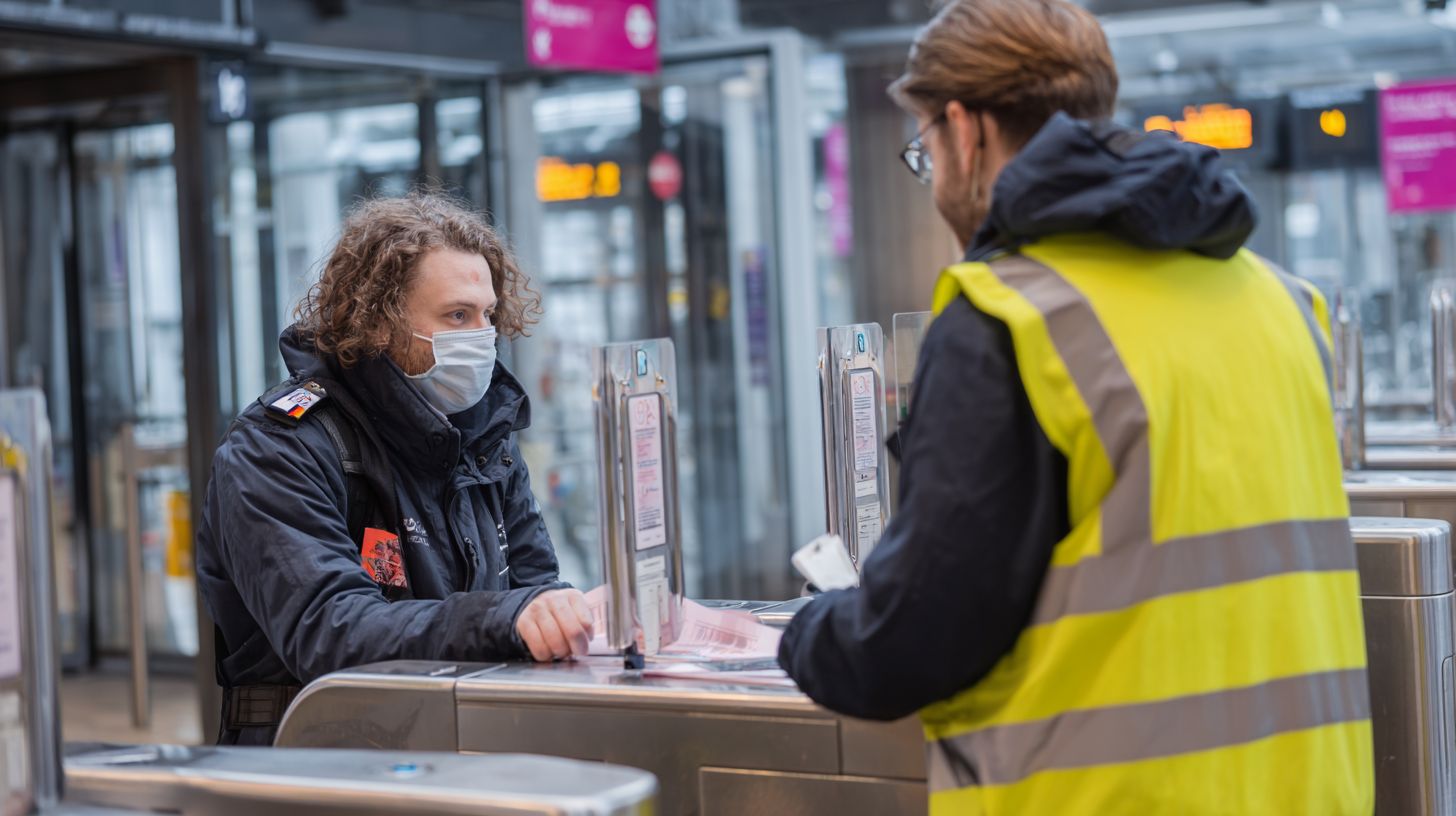
Fare dodging in Leeds involves deliberately avoiding payment on public transport, costing operators over £2.5 million annually, according to West Yorkshire Combined Authority 2023 data. This practice breaks specific rules set by transport authorities. It affects trains, buses, and other services across the city.
Railway Bylaw 18(1) covers train fare evasion by defining it as travelling without a valid ticket or beyond the authorised distance. Byelaw 20 adds rules against entering or leaving trains improperly. These bylaws apply at major spots like Leeds station.
Common methods include barrier evasion at Leeds station turnstiles, where CCTV monitors crowds. Other tactics involve ticketless boarding on Northern trains from platforms, bus tailgating at stops, using fake Oyster-style cards on contactless readers, and platform jumping to skip checks. British Transport Police logged 4,320 fare evasion incidents in 2023.
Operators like Northern Rail and West Yorkshire Metro enforce these through revenue protection officers. Ticket inspectors patrol platforms and on board. One viral TikTok video showed a student jumping barriers, leading to quick detection and a penalty.
Definition and Common Methods
Railway Byelaw 18(1) defines fare evasion as travelling without a valid ticket, while bus operators cite Public Service Vehicles (Conduct) Regulations 1982. These laws make clear that intentional ticketless travel counts as an offence. Penalties follow detection by staff or CCTV.
Here are five common fare dodging methods in Leeds, with local examples.
| Method | Leeds Location | Detection Rate | BTP Cases 2023 |
|---|---|---|---|
| Barrier evasion | Leeds station turnstiles | CCTV monitored | 1,247 detections |
| Tailgating | First Bus Kirkgate | Staff checks | 892 cases |
| Ticketless boarding | Northern trains platforms | Onboard inspection | 1,200 incidents |
| Fake tap | Contactless readers citywide | System alerts | 156 prosecutions |
| Platform jumping | Leeds station edges | Witness reports | 825 reports |
A notable case involved a TikTok video of a student barrier jump at Leeds station, resulting in a £100 fine after a British Transport Police review. Revenue protection officers issue fixed penalty notices on the spot. Repeat offenders face a court summons.
To avoid issues, always use mobile ticketing apps or ticket machines. Contactless payment works like an Oyster card equivalent for pay-as-you-go. Check signage warnings at stations for zonal fares and peak time rules.
Primary Transport Operators
Leeds commuters primarily use Northern Rail for local services, TransPennine Express for regional routes, First Bus for city routes, and Arriva for the Metro network. These operators enforce fares strictly to deter fare dodging across trains and buses. Each has unique methods for spotting ticketless travel.
Revenue protection officers patrol platforms and carriages at Leeds train station, while bus drivers and mobile teams check validators. Caught fare dodgers receive a penalty fare on the spot, often starting at £20 for trains. Repeat offenders face prosecution or travel bans.
First Bus focuses on contactless payment evasion like tailgating, and Arriva targets Park & Ride fines. Contact details help with appeals: Northern Rail at 0800 200 6060, TransPennine Express via their app. Always carry proof of identity like a passport or driving licence during checks.
Understanding these operators’ approaches reduces the risks of court summons or criminal records. For example, buy tickets via the ticket purchasing app or machine before boarding. This section details enforcement by each provider serving Leeds public transport.
Northern Rail and TransPennine Express
Northern Rail processed 6,234 penalty fares (£845,000 revenue) in West Yorkshire in 2023; TransPennine Express issued 2,189 (£312,000). Northern Rail uses its Revenue Protection Unit for smartphone ticketing checks on routes like Leeds-Harrogate. TransPennine Express relies on conductor inspections for Leeds-Manchester services.
| Operator | Routes | Penalty Fare | Officers | 2023 Fines Issued | Appeal Process |
|---|---|---|---|---|---|
| Northern Rail | Leeds-Harrogate, local stops | £20 initial, up to £100 | Revenue Protection Unit | 6,234 in West Yorkshire | Online form within 21 days |
| TransPennine Express | Leeds-Manchester, regional | £20-£100, escalates to prosecution | Conductors, BTP support | 2,189 | Customer service, mitigation letter |
Fine escalation happens for repeat offenders, leading to a single justice procedure or a full court. Northern checks at ticket barriers and platforms; TPE does onboard ticket checks. Carry a season ticket or QR code ticket to avoid issues.
For appeals, submit a penalty fare appeal form with evidence like a witness statement. First-time offenders often succeed with a guilty plea and mitigation. British Transport Police assist in serious train fare evasion cases at Leeds station.
First Bus and Local Operators
First Bus Leeds enforcement team issued 4,567 £80 penalties in 2023; Arriva Metro collected £2.1M from 3,892 fines. First Bus combats bus fare evasion with contactless validators and tackles 72% evasion via tailgating. Mobile teams review CCTV evidence from city routes.
Arriva issues £120 Park & Ride fines, while Stagecoach enforces the X6 corridor with driver reports. Methods include validation stamps and onboard checks at Leeds bus station. WYCA policy states zero tolerance for repeat evaders, risking prosecution.
- Use the pay-as-you-go or app for First Bus to skip queues.
- Validate at Arriva machines to avoid name-mismatch penalties.
- Report issues via Stagecoach customer service for disputes.
For first-time offenders, a mitigation letter can reduce fines; repeat cases lead to Leeds magistrates’ court. Buy child concessions or disabled discounts upfront. Enforcement deters ticketless travel and supports network efficiency.
Immediate Consequences on the Spot
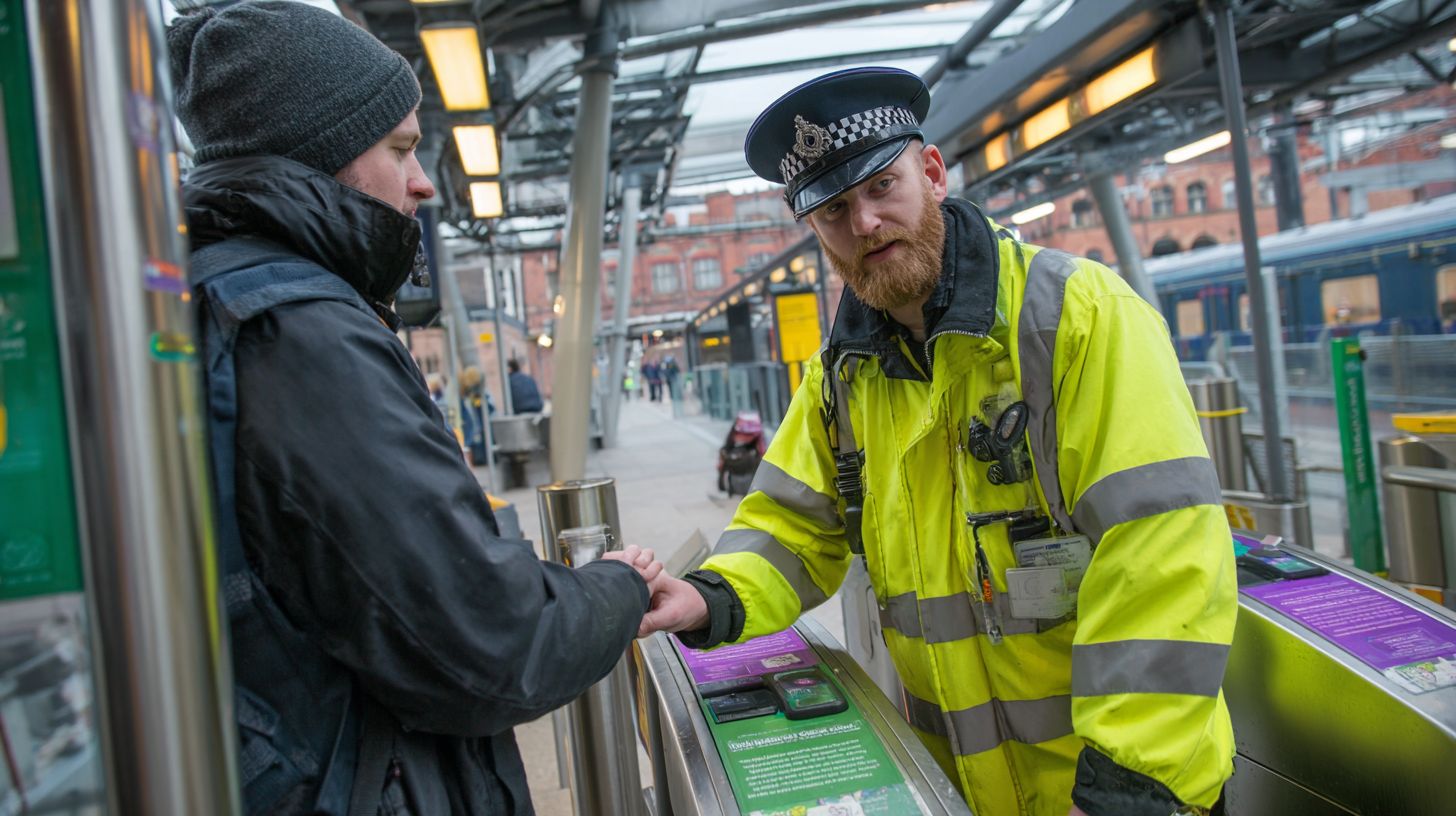
Revenue Protection Officers carry Northern Rail Penalty Fare Notice books (PFN-001 series), issuing fines within 60 seconds of inspection. They approach ticketless passengers at Leeds train stations or onboard services during routine checks. This quick process aims to deter fare dodging right away.
Officers first request proof of ticket or a valid payment, such as a season ticket or a railcard. If none exists, they check ID under the Regulation of Railways Act 1889, which legally requires you to provide your name and address. Refusal can lead to arrest by British Transport Police.
Next comes fare calculation based on the journey, often double the adult fare for train fare evasion. They print a receipt and demand immediate payment. Most encounters happen during busy commuter hours at platforms or ticket barriers.
For bus fare evasion with First Bus or West Yorkshire Metro, similar steps apply at bus stations in Leeds. Expect a penalty fare notice with details for appeal. Always cooperate to avoid escalation to prosecution.
Fine Issuance Process
Step-by-step issuance: 1) Officer shows ID and authority, 2) Requests ticket/proof, 3) Issues Penalty Fare Notice (ref# format: L23/001234), 4) Explains appeal rights. This structured approach ensures fairness during ticket inspector inspections. The process typically wraps up in under three minutes.
Follow these seven steps with rough time estimates:
- Officer approaches and identifies themselves (10 seconds).
- Request your ticket or proof of identity, like a passport or driving licence (30 seconds).
- Verifies details and calculates the evasion fine (60 seconds).
- Completes the PFN form with journey details (90 seconds).
- Prints and hands over the notice, including sample wording like “You are required to pay the Penalty Fare of £100 for ticketless travel from Leeds to [destination]” (30 seconds).
- Secures a witness signature if available (20 seconds).
- Advises on payment and appeal process (30 seconds).
Refusal to provide details triggers arrest powers under the 1889 Act. Sample notices warn of court summons for non-compliance. First-time offenders often receive just the fixed penalty notice.
Repeat offenders face stricter scrutiny with CCTV evidence from platforms. Officers note prior convictions on the form. This deters ticketless travel across Northern Rail and TransPennine Express networks.
Payment Demands
Most passengers pay immediately via card or contactless; cash is accepted up to £100; cheques have been banned since 2021. Officers use portable Worldpay terminals for quick processing on the spot. This covers Northern Rail and First Bus cases in Leeds.
Review these common payment options:
| Method | Processing Time | Notes for Leeds Operators |
|---|---|---|
| Card/Contactless | Instant | Northern Rail, First Bus, Worldpay readers onsite |
| Bank Transfer | 24 hours | Sort code 08-90-01; reference PFN number |
| Online Portal | 24-hour deadline | West Yorkshire Metro app or site for bus/train fines |
| Cash | Immediate | Up to £100 max; no change given sometimes |
Non-payment within 14 days risks a CCJ process or collection costs added. For bus fare evasion, Arriva and Stagecoach follow similar demands. Use the penalty notice reference for all methods.
Peak time penalties may include zonal fare adjustments. Students or tourists should show ID for concessions. Prompt payment avoids prosecution and a potential criminal record.
Standard Penalty Fares
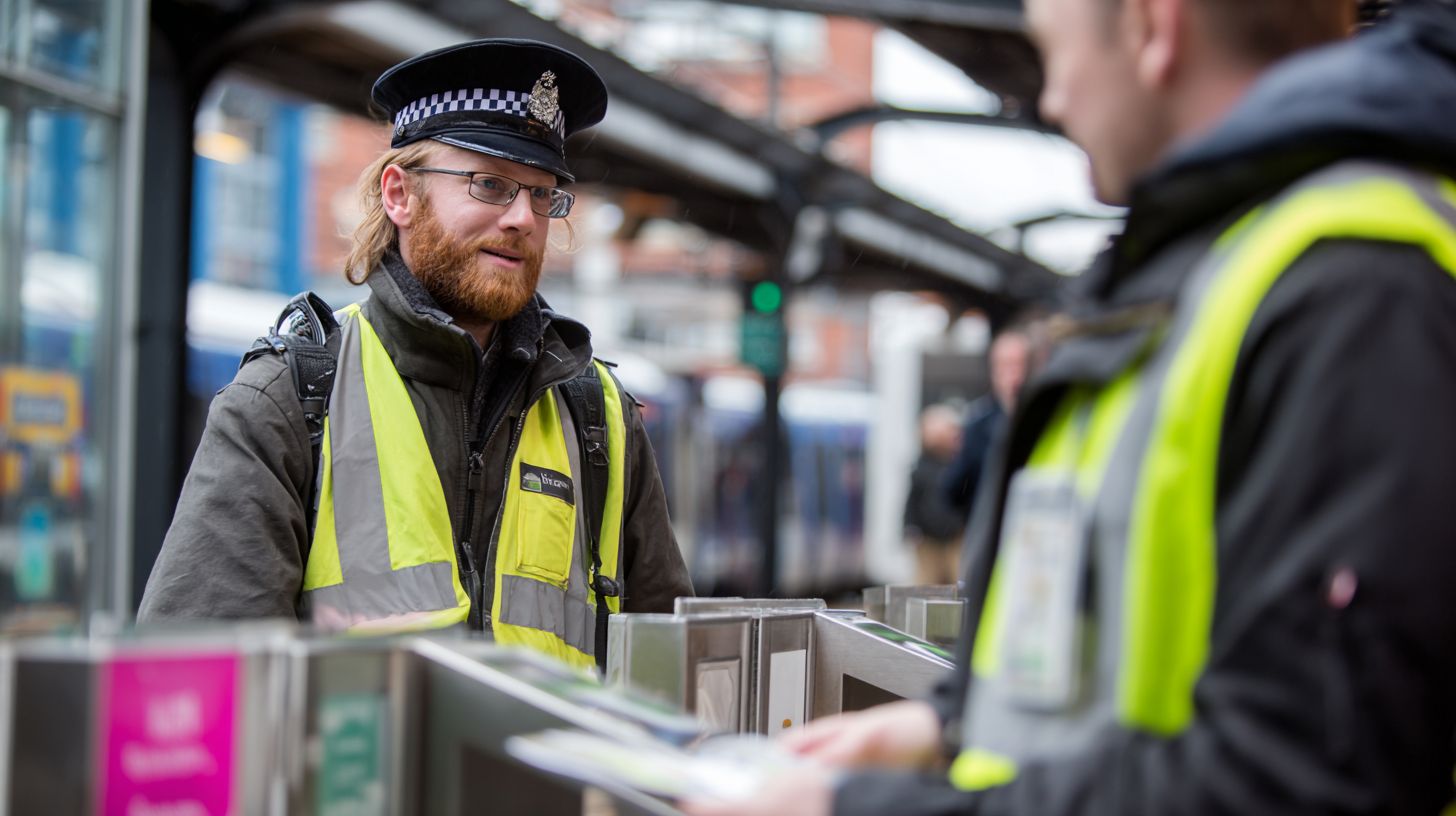
National Rail penalty fares are standardised at £100 or twice the valid fare, whichever is greater. West Yorkshire buses charge a £80 fixed penalty in most cases. These rules stem from the Penalty Fares Rules 2018 statutory instrument.
The Office of Rail and Road (ORR) provides enforcement guidelines to ensure consistency. Rail operators like Northern Rail and TransPennine Express follow 2024 tariffs for Leeds routes. Bus companies align with West Yorkshire Combined Authority standards.
If caught fare dodging on a train from Leeds station, expect a fixed penalty notice on the spot. Revenue protection officers issue these during ticket checks at barriers or onboard. Always carry proof of identity like a passport or driving licence.
For buses, ticket inspectors enforce bus fare evasion penalties at stops or during travel. WYCA’s 2023 harmonisation policy reduced variations from earlier ranges. Check operator signage for exact amounts before boarding ticketless.
Rail Penalty Fare Amounts
Leeds-York single £17.60 leads to a £100 penalty fare; Leeds-Manchester £20.40 also caps at £100 under ORR rules. The Railway Penalty Fares Regulations 2018 set the framework for these calculations. Twice the valid fare applies if under £100.
| Route | Valid Fare | Penalty | Operator |
|---|---|---|---|
| Leeds-Ilkley | £8.20 | £100 | Northern Rail |
| Leeds-Harrogate | £6.80 | £100 | Northern Rail |
| Leeds-York | £17.60 | £100 | TransPennine Express |
| Leeds-Manchester | £20.40 | £100 | TransPennine Express |
Child concessions base penalties on 50% fares, often resulting in £50 for short trips. Peak times use higher valid fares, doubling the cap. Off-peak multipliers lower the base but rarely drop below £100.
If issued a penalty notice by a ticket inspector, pay promptly to avoid prosecution. First-time offenders may appeal via the rail company’s form. Repeat train fare evasion risks court summons or travel bans.
Bus Penalty Fare Amounts
First Bus and Arriva standard £80 single journey penalty applies regardless of the £2.40 base fare. Stagecoach charges £100 in West Yorkshire. These fixed amounts cover bus fare evasion across Leeds zones.
Zone-based examples include City Zone 1 at £80 and Zone 3 Leeds-Otley at £80 fixed. WYCA’s 2023 harmonisation policy cut previous variations from £60 to £120. Operators like First Bus Leeds enforce via conductor inspections.
- First Bus: £80 for any ticketless travel, even short hops.
- Arriva: £80 standard, higher for park and ride evasion.
- Stagecoach: £100, with zonal adjustments possible.
CCTV at the bus station in Leeds and witness statements support enforcement. Provide an ID, like a utility bill, if name mismatches occur. Appeal fixed penalty notices through customer service, but prior convictions worsen outcomes for repeat offenders.
Legal Escalation if Unpaid
A 21-day payment window applies to penalty fares in Leeds. Unpaid PFNs auto-escalate to County Court Judgment with £150+ court fees. This process affects many caught fare dodging on Northern Rail or West Yorkshire Metro services.
The timeline starts at Day 0 when the penalty notice is issued by a revenue protection officer. By Day 21, a formal demand arrives if unpaid. Escalation continues to Day 45 for CCJ, then Day 90 when bailiffs enforce collection.
Debt recovery adds costs like £70 tracing fees and £125 enforcement charges. For example, a Leeds commuter faced £820 total for an initial £100 PFN after ignoring notices. Bailiffs can seize goods or add restrictions on travel.
| Timeline | Stage | Action |
|---|---|---|
| Day 0 | Issue | Penalty Fare Notice served at the train station in Leeds or the bus station in Leeds. |
| Day 21 | Demand | Formal letter demanding payment plus interest |
| Day 45 | CCJ | County Court Judgment registered, credit score impacted |
| Day 90 | Bailiffs | Enforcement agents collect with added fees |
Repeat offenders risk a court summons via the single justice procedure. A guilty plea might lead to a community order, while a not guilty plea requires a mitigation letter or barrister representation. Contact the rail company promptly to discuss voluntary disclosure or the appeal process.
Prosecution and Court Process
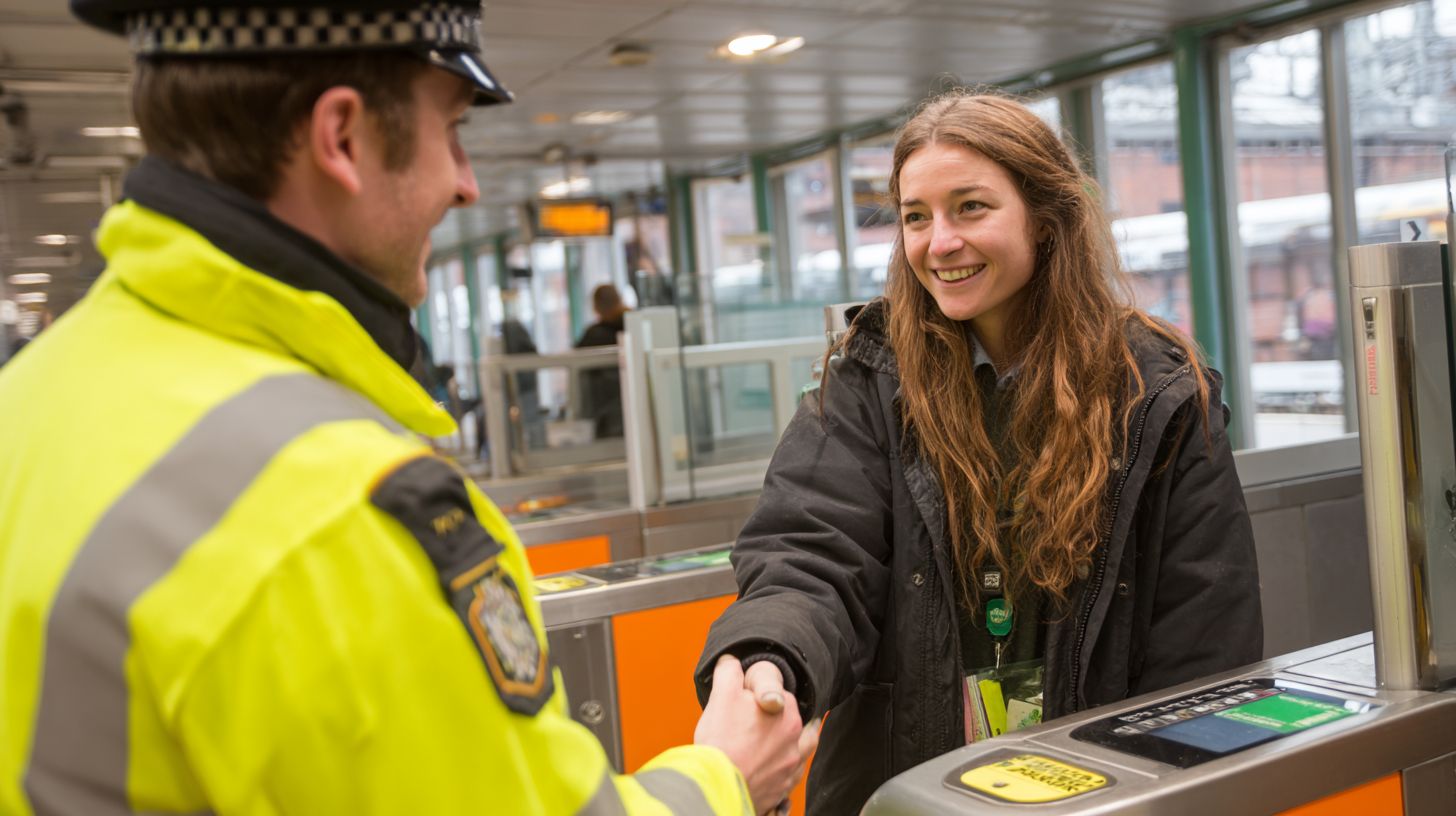
Repeat offenders face criminal prosecution under Railway Byelaws. In Leeds, cases often proceed via the Single Justice Procedure, where magistrates handle matters without a full hearing. This streamlines fare dodging prosecutions for efficiency.
The process typically follows a flowchart: a fixed penalty notice (PFN) issued by a ticket inspector or revenue protection officer, then a final warning if ignored, followed by an SJP notice. You can enter a guilty plea online or attend court for a not guilty plea. Northern Rail, TransPennine Express, and West Yorkshire Metro use this for train fare evasion and bus fare evasion.
Sentencing follows guidelines for Band A offences, with a £220 fine plus £34 victim surcharge and £85 costs. Repeat offenders risk higher court fines, community orders, or even prison sentences in severe cases. First-time offenders might receive leniency through mitigation.
Hire a barrister for representation, with rates around £500-£1,200 depending on complexity. Submit a mitigation letter outlining circumstances like financial hardship or a genuine mistake. Successful appeals at Leeds Magistrates Court have reduced penalties in some instances.
Understanding the Flowchart
The prosecution path starts with a penalty fare notice at Leeds train station or bus station. Ignore it, and a final warning arrives by post. Next comes the SJP notice, processed remotely by magistrates.
For a guilty plea, use the online portal to admit ticketless travel and pay promptly. Opt for the court if contesting, preparing evidence like CCTV disputes or witness statements. British Transport Police may assist rail companies in evidence gathering.
Not guilty pleas lead to Leeds Magistrates Court hearings. Present proof of identity issues or contactless payment errors as defences. Experts recommend early legal advice to navigate this.
Avoid escalation by voluntary disclosure or retrospective ticket purchase if possible. Rail companies enforce this strictly to deter barrier evasion and onboard ticket checks failures.
Sentencing Details
Court fines for fare evasion in Leeds start at Band A levels: £220 base fine, £34 surcharge, £85 costs, plus collection fees. Prior convictions as a repeat offender increase penalties to Band B or C. Maximum penalties include community orders or short prison sentences.
First-time offenders benefit from mitigation, potentially lowering the fine amount. Courts consider factors like peak time evasion or zonal fare disputes. Compensation orders cover rail company losses from ticket barrier jumps.
Pay promptly to avoid added victim surcharge hikes or enforcement. Legal aid may apply to low-income cases. Follow sentencing guidelines to understand the risks of criminal record impacts.
Mitigation and Legal Options
Draft a mitigation letter template: state facts, express remorse, detail finances, and request a reduction. Send to the court before hearing, e.g., “I mistakenly believed my season ticket covered the route due to unclear signage.” This often sways magistrates.
Barrister representation costs £500-£1,200 for preparation and attendance. They challenge revenue protection officer statements or CCTV evidence. Useful for not guilty pleas involving name mismatches or proof issues.
After sentencing, explore the appeal process at the Crown Court if errors occurred. Successful cases have seen fine reductions. Contact customer service first for penalty fare appeals via forms.
Check eligibility for amnesty schemes or ombudsman reviews post-fine. Practical steps include gathering utility bills or a passport for identity proof. This helps first-time offenders avoid lasting travel bans.
Notice: Informational Content Disclaimer
The content provided on this website, including articles, blog posts, and other informational materials, is intended for general informational purposes only. It is not intended as, and should not be considered, legal advice.
Visitors to this website should be aware that the information presented here is not a substitute for seeking legal advice from a qualified solicitor or legal professional. Each individual's legal situation is unique, and the information provided may not be applicable to specific circumstances.
If you require legal advice or have specific legal questions, we encourage you to contact us directly. Our experienced team of solicitors is here to assist you with your legal needs and provide tailored advice to address your concerns.
Please be advised that any communication through this website, including the use of contact forms or email, does not create a solicitor-client relationship. Confidential or time-sensitive information should not be sent through this website. To establish a solicitor-client relationship and discuss your legal matters in detail, please contact us for a consultation.
We strive to provide accurate and up-to-date information, but we make no representations or warranties regarding the accuracy, completeness, or suitability of the information contained on this website. We shall not be liable for any reliance placed on the information provided herein.
Thank you for visiting our website. We look forward to the opportunity to assist you with your legal needs.