What Are the Penalties for Fare Evasion in Bristol


What Are the Penalties for Fare Evasion in Bristol
Failing to pay your fare on a Bristol bus can quickly escalate from a simple oversight to formal enforcement action. Penalties for fare evasion in Bristol can include on-the-spot penalty fares issued by operators such as First Bus or Stagecoach, formal reports for prosecution, and court-imposed fines in more serious cases. Enforcement teams assess factors like intent, repeat behaviour, and unpaid amounts when deciding whether to escalate the matter. This guide explains how penalties are issued, how prosecution works, the potential court outcomes, and what appeal options are available if you want to challenge a notice.
Overview of Fare Evasion in Bristol

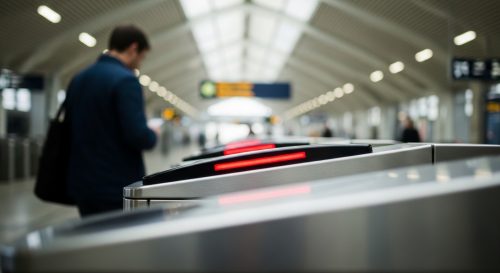
Fare evasion in Bristol, travelling without a valid ticket on buses, trains, or ferries, leads to significant revenue loss for operators. This practice affects public transport services funded partly by taxpayers. Common on routes run by First Bus and Great Western Railway.
Under UK law, fare evasion means intentional ticketless travel as defined in the Regulation of Railways Act 1889, Section 5(3). In Bristol, it includes dodging fares on MetroWest trains or local buses. The West of England Combined Authority reported 8,247 penalty notices issued in 2023.
Five common scenarios highlight the issue. These involve boarding First Bus without contactless payment, jumping barriers at Bristol Temple Meads, using expired Stagecoach day riders, evading Park and Ride to Bristol Airport, and dodging tickets on Bristol Packet Boat harbour tours. Each case risks a fixed penalty notice.
Operators like First Bus, Stagecoach, and CrossCountry enforce rules through revenue protection teams. Repeat offenders face prosecution in the magistrates’ court. Always carry proof of eligibility for concessionary travel to avoid ticket dodging accusations.
Definition and Common Scenarios
Under the Regulation of Railways Act 188,9 Section 5(3), fare evasion constitutes knowingly travelling without paying the applicable fare on scheduled public transport. This covers buses, trains, and ferries in Bristol. Invalid tickets or no ticket both qualify as evasion.
The table below lists five common Bristol scenarios, their frequency notes from operator reports, examples, and penalty risks. First Bus data notes most occur during peak hours from 7-9 am and 4-6 pm. Enforcement by British Transport Police or Avon and Somerset Police follows.
| Scenario | Frequency Note | Example | Penalty Risk |
|---|---|---|---|
| Boarding the first bus without contactless payment | High on urban routes | Tap phone, but no funds registered | £100 fixed penalty notice |
| Jumping MetroWest train barriers at Bristol Temple Meads | Common at busy stations | Duck under the gates to platform 3 | Prosecution or £20 excess fare |
| Using an expired Stagecoach day rider | Frequent on the outskirts | Day ticket valid till 6 pm used at 7 pm | Full evasion fine plus invalidation |
| Park and Ride to Bristol Airport | Peak weekend issue | Board the shuttle without scanning the QR code | £100 notice from authorised collector |
| Ferry ticket dodging on Bristol Packet Boat harbour tours | Seasonal summer spike | Board at Prince’s Wharf unseen | Local byelaw fine or court summons |
These examples show bus fare evasion and train fare evasion patterns. Ticket inspection by guards or conductors triggers action. Mitigate risks by using pay-as-you-go or validating at machines.
Responsible Authorities
Multiple authorities enforce fare compliance in Bristol: First Bus and Stagecoach handle bus enforcement, while Network Rail and train operators oversee MetroWest rail services. Bristol City Council oversees integrated transport, including buses and Park and Ride schemes. The West of England Combined Authority manages MetroWest rail expansions.
British Transport Police handle train enforcement under Railways Byelaws, responding to ticketless travel on platforms and services. Avon and Somerset Police may get involved in serious fare evasion cases, especially repeat offenders. Ferry operators like Bristol Packet Boat enforce their own harbour tour fines for not having a ticket.
For micromobility, bike share and scooter firms apply shared mobility rules with app-based penalties. Enforcement officers use ticket inspections, barriers, and gates at stations like Bristol Temple Meads. Passengers face police involvement if evasion escalates to prosecution.
Understanding this ecosystem helps avoid bus fare evasion or train fare evasion pitfalls. Always carry proof of eligibility for concessionary travel, like elderly passes or student discounts. Compliance deters revenue loss from ticket dodging.
First Bus and Stagecoach Policies
First Bus issued 4,892 £50 Self-Service Penalty Notices in 2023, while Stagecoach uses a three-stage Yellow Card Scheme before prosecution. First Bus charges a £50 SS-PN, reduced to £20 if paid within 7 days. Invalid tickets, such as expired day riders or no concession proof, trigger these fines.
Stagecoach starts with a 1st offence warning, then a £50 fine on the second, and prosecution on the third. Repeat offenders risk the magistrates’ court under local byelaws. Examples include using an unvalidated contactless payment or a zonal fare mismatch.
Enforcement happens via ticket machines, guards, or inspectors on routes like the Bristol Airport link. Fixed penalty notices become civil debts if unpaid, leading to county court judgments and bailiffs. Poverty excuses rarely mitigate; genuine mistakes might allow appeals.
To avoid issues, validate season tickets or pay as you go before boarding. Carry disabled badges or proof for discounts. Serial evaders face criminal records, community orders, or jail time in extreme cases.
Bristol Transport and MetroWest Enforcement
MetroWest services operated by Great Western Railway enforce £100 Penalty Fares through Authorised Collectors at Bristol Temple Meads and key stations. Guards issue a £20 excess fare, plus a single ticket or a full £100 fine for no ticket. CrossCountry and South Western Railway follow the National Rail Penalty Fares Scheme 2023 rates.
Revenue Protection Inspectors use ANPR buses, CCTV, and bodycam footage for evidence. Ticketless travel through barriers or on platforms leads to on-the-spot fines. Examples include forgetting a platform ticket or an invalid pay-as-you-go.
Under the Regulation of Railways Act 1889 and Railways Byelaws, unpaid penalties escalate to prosecution via a single justice procedure. Courts impose court fines, legal costs, victim surcharges, or compensation orders. Facial recognition plans and app enforcement may tighten rules for the Bristol Metro light rail.
Appeal if it’s a genuine mistake, like a lost ticket claim, but provide evidence. Compared to road traffic fines, evasion mirrors shoplifting under the Fraud Act risks. Always buy tickets via machines or apps to dodge prosecution and bans.
Immediate On-the-Spot Penalties

Revenue protection officers issue immediate penalties ranging from £20 Excess Fares to £100 Penalty Fares, depending on circumstances and operator. An Excess Fare applies when you have no ticket but can pay the difference plus a £20 fee right away. This avoids a full Penalty Fare for clear fare evasion.
Officers on Bristol buses and trains check tickets during inspections. If caught without a valid ticket, they explain options like buying an Excess Fare on the spot or receiving a notice. Paying quickly often reduces the amount through a reduced penalty scheme.
First Bus and Stagecoach enforce these on routes across Bristol public transport. Train operators like GWR demand payment within set days to halve fines. Repeat offenders face escalation beyond immediate penalties.
Always carry proof, like a day rider or concessionary pass. Genuine mistakes, such as forgetting change for a ticket machine, may lead to warnings under yellow card schemes. Enforcement deters ticketless travel and protects revenue.
Penalty Fares and Amounts
First Bus charges £50 Self-Service Penalty Notice (reduced to £20 if paid within 7 days); GWR trains levy £100 Penalty Fare (reduced to £50 within 14 days). These apply to bus fare evasion or train fare evasion without valid tickets. Officers issue notices explaining payment details and deadlines.
The table below compares key operators in Bristol transport rules. Check your journey type, like single fare stages or zonal fares, to understand risks. Revenue protection teams use this structure for consistency.
| Operator | Penalty Type | Full Amount | Reduced Amount | Payment Window | Example Journey |
|---|---|---|---|---|---|
| First Bus | Self-Service Penalty Notice | £50 | £20 | 7 days | City centre to suburbs, no contactless payment |
| Stagecoach | Penalty Fare | £50 | £25 | 14 days | Park and Ride to Bristol Airport link |
| CrossCountry | Penalty Fare | £100 | £50 | 14 days | Bristol Temple Meads to Birmingham, invalid ticket |
| GWR | Penalty Fare | £100 | £50 | 14 days | MetroWest local service, ticket dodging |
| Bristol Ferry | Fixed Penalty Notice | £50 | £25 | 7 days | Harbour tour, no platform ticket |
Pay promptly to avoid escalation to civil debt or court. For instance, missing the window on a First Bus fine turns £20 into a full £50 plus costs. Appeal if you have mitigation, like a genuine mistake with proof of eligibility.
Criminal Prosecution Process
Persistent evaders face criminal prosecution underthe Regulation of Railways Act 1889 (maximum £1,000 fine + 1 month imprisonment) via Single Justice Procedure. This process targets repeat offenders who ignore initial warnings. It applies to both bus fare evasion and train fare evasion in Bristol.
The process starts when a fixed penalty notice goes unpaid after 21 days. Transport operators like First Bus or Great Western Railway then refer the case to the authorities. Avon and Somerset Police handle enforcement alongside British Transport Police for rail matters.
Next comes a Single Justice Procedure summons sent by post. If you enter a guilty plea or fail to respond, a fine is imposed without a full hearing. In 2023, Avon and Somerset saw 1,247 such prosecutions with an average £250 fine.
- Fixed Penalty Notice ignored after 21 days triggers escalation.
- Single Justice Procedure summons arrives for ticketless travel.
- A guilty plea or no response leads to a fine being set.
- The court hearing option allows contesting the charge in the magistrates’ court.
You can plead not guilty to request a hearing, but prepare evidence like CCTV disputes or proof of payment attempts. Legal costs and victim surcharges often add to penalties for serial evaders. Always check your mail to avoid default convictions.
Civil Penalties and Fixed Notices
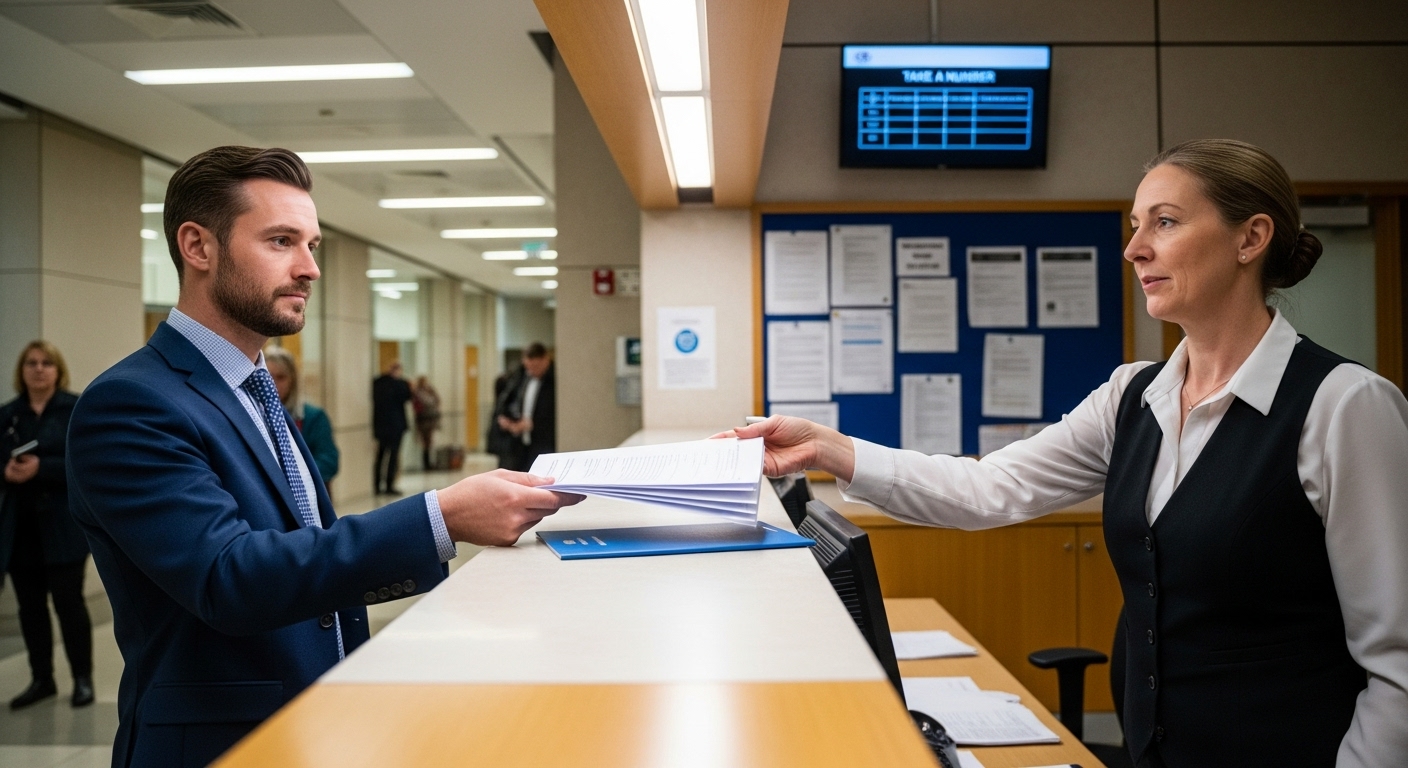
Fixed Penalty Notices represent civil debts enforceable through County Court Judgment and bailiff recovery if unpaid after 21 days. These differ from criminal penalties, as they remain civil matters unless ignored. Operators like First Bus or Stagecoach issue them for ticketless travel on public transport in Bristol.
Civil penalties avoid a criminal record, unlike Single Justice Procedure fines under the Regulation of Railways Act 1889. For train fare evasion, revenue protection officers hand out these notices on the spot. Paying promptly keeps it simple and debt-free.
If unpaid, the debt escalates with added legal costs. Bristol City Council and West of England Combined Authority back enforcement for buses and MetroWest services. Repeat offenders face higher scrutiny from British Transport Police.
Always check your day rider or season ticket validity to dodge these. Genuine mistakes like forgetfulness might allow mitigation, but poverty excuses rarely work. Appeal through the operator’s process quickly for the best results.
Standard Fine Levels
Magistrates’ courts impose fines from £100 minimum up to £1,000 maximum under the Regulation of Railways Act 1889 Band A offences. These apply to train ticket penalty cases in Bristol, often via a single justice procedure for quick processing. Courts add a victim surcharge at 40% of the fine, plus legal costs of £150-300.
| Offence Band | Fine Range | Typical Bristol Case | Additional Costs |
|---|---|---|---|
| Band A | £100 – £1,000 | No ticket on Great Western Railway | Victim surcharge, £150-300 legal costs |
| Band B | £500 – £2,500 | Invalid ticket on CrossCountry | Plus compensation order possible |
| Band C | Unlimited | Serial evader on South Western Railway | Full court fees, potential community order |
For bus fare evasion with First Bus or Stagecoach, penalty fares start at £100 plus the £20 excess fare. Enforcement officers use ticket inspection to spot fare dodgers. Reduced penalties apply if you pay on the day.
Prosecution leads to the magistrates’ court for repeat cases, with CCTV evidence common. Full penalties are hit harder for evasion onthe Park and Ride or the Bristol Airport link. Seek advice early if facing a court summons.
Court-Imposed Penalties
Bristol Magistrates’ Court imposed 6-12 month Community Orders and 28-day custodial sentences on serial fare evaders in 2023. These penalties target repeat offenders who ignore fixed penalty notices and warnings. Courts consider the scale of ticketless travel and prior convictions.
In one case from Avon and Somerset court listings, a fare dodger faced prosecution after multiple bus fare evasion incidents on First Bus services. The court applied sentencing guidelines under the Regulation of Railways Act and local byelaws. This led to stricter measures beyond initial evasion fines.
Another Bristol listing involved train fare evasion on Great Western Railway, where a serial evader received jail time. Revenue protection officers provided evidence from ticket inspections and CCTV. Repeat cases often escalate from a single justice procedure to full hearings.
Experts recommend early payment of penalty fares to avoid court. For instance, ignoring a £100 fine risks a magistrates’ court summons and higher costs. Compliance with Bristol transport rules prevents criminal records from community orders or custody.
Fines, Community Orders, and Custody
Serial evader ‘John D.’ received 120 hours Community Service plus an £850 fine at Bristol Magistrates in March 2023 for 17 separate incidents. This outcome reflects Band B fines of £500-£1,000 for mid-level offences. Courts add legal costs and victim surcharges.
Sentencing options start with Band A fines of around £220 for first-time fare evasion, often via a single justice procedure. Higher bands apply to repeat offenders caught without valid tickets on buses or trains. Community Orders require 40-200 hours of unpaid work.
- Band A fine: £220 plus costs for minor ticket dodging.
- Band B fine: £500-£1,000 with possible curfew for serial evaders.
- Community Order: Up to 200 hoursof service, as in ‘John D.’s case.
- Custody: Up to 3 months for persistent no-ticket travel.
In the 2023 Avon and Somerset listings, another anonymised case saw a train fare evader on CrossCountry fined £650 and ordered 80 hours of work. British Transport Police evidence from guards and barriers proved intent. Pleading a genuine mistake rarely succeeds without proof, like lost ticket claims.
Factors Affecting Penalty Severity

Courts consider 7 statutory factors,s including prior convictions, value evaded, and genuine mistake evidence. These elements shape the penalty severity for fare evasion in Bristol under the Sentencing Council Fare Evasion guideline. Judges weigh them to decide between a fixed penalty notice or full prosecution.
For instance, a first-time offender caught on a First Bus route might receive a warning notice. Repeat cases often lead to magistrates’ court fines or community orders. Understanding these factors helps fare dodgers prepare for mitigation effectively.
Evidence quality plays a key role, too. Strong CCTV from British Transport Police can push penalties higher. Financial proof might lower them, showing how courts balance deterrence with fairness.
Bristol’s transport operators like Stagecoach and Great Western Railway apply similar logic. This ensures consistent enforcement across bus fare evasion and train ticket penalties. Always check the Sentencing Council guideline for full details.
- Criminal record: A clean record often means a lower fine or a yellow card scheme warning. Serial evaders face maximum penalties, potentially doubling fines or leading to imprisonment for persistent ticketless travel.
- Evasion amount: Small amounts like a £20 excess fare on a day rider ticket draw milder responses. Larger sums, such as £100+ on MetroWest services, trigger harsher court fines.
- Prior warnings ignored: Ignoring a first warning notice escalates to a fixed penalty notice. Repeat offenders risk prosecution via a single justice procedure.
- CCTV or bodycam evidence: Clear footage from revenue protection officers strengthens cases. It leaves little room for forgetfulness claims during ticket inspection.
- Mitigation evidence accepted: Proof of a genuine mistake, like a faulty contactless payment, can reduce penalties. Courts accept valid concessionary travel documents as a defence.
- Financial circumstances: Demonstrating hardship might lower fines, similar to poverty excuses in civil debt cases. Bailiffs become involved only if unpaid.
- Guilty plea discount: Early admission offers a 33% reduction on penalties. This applies in the magistrates’ court for bus or train fare evasion.
Appeals and Mitigation Options
Penalty Fare appeals must be submitted within 21 days via the operator appeal form. Court mitigation requires a written statement proving a genuine mistake. This process applies to fare evasion on Bristol’s public transport, including trains and buses.
Start with the operator appeal for Great Western Railway or First Bus. Submit forms explaining your circumstances, such as forgetfulness or ticket machine issues. Operators review these promptly for train fare evasion or bus fare evasion.
If denied, escalate to the Independent Appeals Panel. This panel examines evidence like witness statements for penalty fares. Final resort involves challenging viaa County Court claim for unresolved cases.
Contact Bristol appeals through First Bus customer service at 0117 951 0103 or Great Western Railway via their website form. For Stagecoach, use 0345 121 0160. These steps help reduce fines for ticketless travel.
Step-by-Step Appeal Process
First, complete the operator appeal form within 21 days of receiving your fixed penalty notice. Provide details like journey time and reason for no ticket, such as contactless payment failure. GWR and First Bus handle most Bristol transport appeals initially.
Next, if rejected, request the Independent Appeals Panel. Submit additional evidence, including photos of barriers or guards. This panel offers a neutral review for revenue protection disputes.
Finally, challenge a County Court claim if needed. Prepare a defence statement for the magistrates’ court or the single justice procedure. Seek advice from Citizens Advice Bristol on civil debt risks like bailiffs.
Track your appeal status via operator references. Persistence with clear evidence often leads to reduced penalties in fare evasion policy cases.
Mitigation Strategies

Present a bank statement as proof of poverty to show financial hardship. This can support requests for lower fines in court fines scenarios. Experts recommend pairing it with a sincere apology.
Admit if it’s your first offence, which may result in a warning notice under the yellow card schemes. Highlight no prior criminal record for public transport evasion.
Secure witness corroboration from fellow passengers or staff. Use bodycam footage requests for enforcement officer encounters. This strengthens genuine mistake claims.
- Submit proof of concessionary travel eligibility, like an elderly pass or student discount, overlooked during ticket inspection.
- Explain forgetfulness with examples, such as rushing for MetroWest trains, backed by timetable evidence.
- Reference ticket refund policy for lost tickets, including travel insurance claims for reimbursement.
Notice: Informational Content Disclaimer
The content provided on this website, including articles, blog posts, and other informational materials, is intended for general informational purposes only. It is not intended as, and should not be considered, legal advice.
Visitors to this website should be aware that the information presented here is not a substitute for seeking legal advice from a qualified solicitor or legal professional. Each individual's legal situation is unique, and the information provided may not be applicable to specific circumstances.
If you require legal advice or have specific legal questions, we encourage you to contact us directly. Our experienced team of solicitors is here to assist you with your legal needs and provide tailored advice to address your concerns.
Please be advised that any communication through this website, including the use of contact forms or email, does not create a solicitor-client relationship. Confidential or time-sensitive information should not be sent through this website. To establish a solicitor-client relationship and discuss your legal matters in detail, please contact us for a consultation.
We strive to provide accurate and up-to-date information, but we make no representations or warranties regarding the accuracy, completeness, or suitability of the information contained on this website. We shall not be liable for any reliance placed on the information provided herein.
Thank you for visiting our website. We look forward to the opportunity to assist you with your legal needs.