What Are the Penalties for Fare Evasion in Leeds


What Are the Penalties for Fare Evasion in Leeds
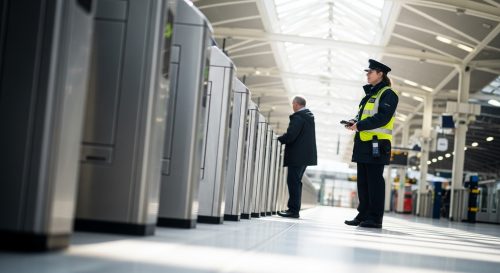
Trying to pass through Leeds station gates without tapping in can quickly result in a direct encounter with enforcement staff. Penalties for fare evasion in Leeds are enforced under West Yorkshire transport rules and national railway byelaws, and they can escalate rapidly depending on the circumstances. Passengers may face on-the-spot penalty fares, formal reports for prosecution, and in more serious cases, court proceedings under UK byelaws or related legislation. Convictions can lead to substantial fines, a criminal record, and potential travel restrictions. This guide explains how enforcement works, when cases escalate, and the full financial and legal consequences involved.
Understanding Fare Evasion in Leeds

Fare evasion in Leeds costs West Yorkshire Metro over £2.5 million annually, with 15,000+ penalty fares issued yearly across buses, trains, and Metro services. This revenue loss affects the transport budget and leads to higher fares for honest passengers. Operators like Northern Rail and First Bus actively combat this issue through enforcement.
Under the Transport Act 2000, Section 30, fare evasion means knowingly travelling without a valid ticket orwith the intent to avoid payment. Passengers caught face immediate penalty fares or prosecution risks. Awareness of these rules helps commuters avoid accidental violations.
Common scenarios include barrier jumping at Leeds train station on Northern Rail services, where evaders skip ticket gates during peak hours. Another is bus fare dodging on First Bus routes without tapping a MetroCard at validators. Ticketless Metro travel from Kirkgate Interchange often triggers fines from inspectors.
- Platform jumping at unstaffed stations like those on outer lines.
- Failure to validate app tickets before boarding.
- Entering via emergency exits at staffed barriers.
Peak evasion occurs from 7-9 am and 46 pmm, per WYCA 2023 stats, straining resources at hotspots like Leeds City Bus Station. Repeat offenders risk court summons and criminal records. Always carry proof of payment to meet inspector demands.
Definition and Common Scenarios
Under UK law, fare evasion occurs when a passenger knowingly travels without a valid ticket and has the intent to avoid payment per the Regulation of Railways Act 1889. This covers trains, buses, and Metro under rail bylaws and operator rules. Ignorance rarely excuses it without a reasonable defence.
On Northern Rail at Leeds station, barrier evasion leads to a £100 penalty fare from revenue protection officers. Jumpers face guard confrontation or British Transport Police involvement. Pay promptly for potential early payment discounts.
- First Bus no-tap: £80 penalty fare for dodging MetroCard validation on routes from City Bus Station.
- Metro single journey no-validation: £70 fine at Kirkgate Interchange ticket checks.
- Arriva bus stage evasion: Skipping fare stages without pay-as-you-go contactless payment.
- Unstaffed station entry via platform jumping, triggering fixed penalty notices on inspection.
WYCA 2023 report notes high evasion on buses and rail, with hotspots during rush hours. Defences like honest mistake or force majeure require evidence, such as faulty ticket machines. Serial evaders face magistrates’ court, costs, and victim surcharges.
Legal Framework
Fare evasion in Leeds falls under three key legal frameworks: Transport Act 2000 (civil penalties), railway byelaws (criminal), and Criminal Justice Act provisions. These laws target ticketless travel on Metro trains, buses, and Northern Rail services. Passengers face penalties from fixed notices to court fines.
The Transport Act 2000, section 30, sets up penalty fares for those without a valid ticket on inspection. This civil route allows quick enforcement without a court. It applies across West Yorkshire public transport, including Leeds stations and bus routes.
Railway Byelaws 2005, particularly byelaw 20, make fare dodging a criminal offence. Breaches can lead to prosecution inthe magistrates’ court. The Regulation of Railways Act 1889, section 5(3), adds further criminal sanctions for evading payment.
These pillars work together to deter fare evasion in Leeds. For example, jumping barriers at Leeds train station triggers byelaw enforcement. Always carry proof of payment, like app tickets or MetroCards,s to avoid issues.
Relevant UK and Local Laws
Transport Act 2000 Section 30 establishes the civil penalty fare regime, requiring passengers to pay 2-3x single fare upon inspection. This covers train ticket evasion and bus fare dodging on Metro services. Inspectors issue notices at stations like Kirkgate Interchange.
The law supports schemes like the WYCA Penalty Fares Scheme 2023, active on Northern Rail and local buses. Penalty fares apply from the journey commencement without valid ticket validation. Reasonable excuses, such as faulty ticket machines, may reduce liability.
| Law | Year | Penalty Type | Max Fine | Reference |
|---|---|---|---|---|
| Transport Act 2000 s.30 | 2000 | Civil PF | £1,000 | PF Scheme Order 2018 |
| Railway Byelaws 2005 | 2005 | Criminal | Level 2 (£500) | Byelaw 20 |
| Regulation of Railways Act 1889 s.5(3) | 1889 | Criminal | Unlimited | s.5(3) |
| Criminal Justice Act 2003 | 2003 | Sentencing | Varies | Sch. 37 |
These laws outline no ticket penalties for fare dodgers. Repeat offenders risk escalation to prosecution. Check zone fares or daily caps before travel to ensure compliance.
Authority Responsible: West Yorkshire Metro
West Yorkshire Combined Authority (WYCA) oversees Metro enforcement through its Penalty Fares Scheme 2023, authorising Northern Rail, First Bus, and Arriva inspectors. This covers Leeds City Bus Station and rail platforms. Enforcement targets peak time evasion and barrier jumping.
WYCA partners with British Transport Police and Revenue Protection Units for ticket inspections. Inspectors can demand tickets, issue fixed penalty notices, and refer cases for prosecution. Powers include checking contactless payments, season tickets, or mCards.
- Request proof of payment at any point during travel.
- Issuea penalty fare up to 28 days from the incident per WYCA Enforcement Policy 2024.
- Offer 50% discount for early voluntary payment.
- Escalate to a court summons for non-payment or serial evaders.
For example, a guard confrontation on a Northern Rail train from Leeds may lead to immediate penalty receipt. Appeal via a statutory declaration if you have mitigation like honest mistake. This structure boosts fare compliance and protects transport budgets.
Immediate Penalties

Caught without a ticket? Expect immediate Penalty Fare demands ranging £70-£100 across Leeds transport modes, payable on-the-spot or within 28 days. The civil Penalty Fare scheme applies instantly upon inspector confrontation. Amounts vary by operator and route, with no criminal record if paid promptly.
In Leeds, fare evasion on public transport like buses, trains, and Metro triggers this scheme under West Yorkshire rules. Inspectors from operators such as Northern Rail or First Bus issue notices during ticket inspections at stations or on board. Prompt payment avoids escalation to prosecution.
Revenue protection teams patrol hotspots like Leeds train station and Kirkgate Interchange. They check for valid tickets, app tickets, or contactless payments. A Penalty Fare Notice serves as your receipt and proof of authority to complete the journey.
Operators enforce this to recover ticket revenue lost to evasion. Repeat offenders face higher risks of court summons. Always carry proof of payment to dodge these immediate penalties.
On-the-Spot Fines
Inspectors issue Penalty Fare Notices (PFN) immediately, requiring full PF payment plus original fare within 28 days (21 days in London). This happens during guard confrontations or at station gates. The process ensures revenue protection for Leeds public transport.
Follow this numbered process if confronted without a ticket: The inspector demands a ticket or proof of payment, like a MetroCard or app ticket.
- No valid ticket means a PFN is issued on the spot.
- Pay the full Penalty Fare plus the original fare due.
- Claim a 50% discount if paid within 14 days.
- Keep the PFN receipt for your records and any appeal.
A sample Northern Rail PFN includes your details, journey info, amount due, and payment instructions. WYCA offers payment via online portal, phone, or Post Office. Retain the receipt to prove compliance.
These fines apply across bus fare dodging, train ticket evasion, and the Metro. Enforcement officers or British Transport Police may assist. Paying quickly prevents further action like magistrates’ court summons.
Penalty Fare Amounts
Standard Penalty Fares in Leeds include MetroBus £80, Northern Rail £100, First Bus £80, minimum double the unpaid fare. This follows the WYCA Penalty Fares Order 2023. Fares double the base to deter ticketless travel.
Use this table to compare amounts across operators:
| Operator | Base Fare | Penalty Fare | Double Fare Rule | Examples |
|---|---|---|---|---|
| MetroBus | £2.40 | £80 | Yes | Kirkgate route |
| Northern Rail | £4.60 | £100 | Yes | Leeds-Horsforth |
| First Bus | £2.20 | £80 | Yes | City centre |
For barrier jumping or no ticket at journey commencement, expect the full amount plus the original fare. Zone fares or daily caps do not reduce penalties. Examples like peak time evasion on Northern Rail highlight common scenarios.
Operators like Arriva or Transdev follow similar rules. Always validate at ticket machines or with conductors. The intent to avoid payment raises the evidential burden if contested.
Criminal Prosecution Risks
Non-payment of Penalty Fares triggers criminal prosecution under railway byelaws, risking magistrates’ court, fines up to £1,000, and criminal records.
In Leeds, about 10% of unpaid Penalty Fares escalate to criminal court. Prosecution requires evidence of ‘knowingly travelled without a ticket’ plus intent to evade. The British Transport Police handle serious cases, especially repeat offenders on Northern Rail or Metro services.
Fare evaders face summons to Leeds Magistrates Court after ignoring fixed penalty notices. Guards or revenue protection officers document ticketless travel at stations like Leeds City Bus Station or Kirkgate Interchange. Paying early avoids this, but serial evaders risk higher penalties, including costs and surcharges.
Practical advice: Always carry proof of payment, such as app tickets or contactless receipts. If confronted by an inspector, explain any reasonable excuse promptly to prevent escalation to prosecution.
Byelaws Offences
Railway Byelaws 2005 Rule 20(1): ‘No person shall enter any train… without a valid ticket’ – strict liability criminal offence.
This covers entering Leeds train stations or Metro platforms without a ticket, failing to pay on inspector demand, and presuming intent to evade unless a reasonable excuse exists. Examples include barrier jumping at Leeds station or bus fare dodging on First Bus routes. Penalties reach a Level 2 fine of up to £500 maximum.
In the R v Northern Rail 2022 SJP case, a fare dodger received a £220 fine plus £154 costs for ticketless travel. Courts consider factors like peak time evasion or repeat offences on West Yorkshire services. Enforcement officers issue penalty receipts on the spot during ticket inspections.
To avoid byelaws offences, validate tickets at machines or apps before journey commencement. If challenged, provide evidence like a season ticket or MetroCard to meet the evidential burden.
Criminal Justice Act Provisions
Criminal Justice Act 2003 enables Single Justice Procedure (SJP) for byelaw offences – paper-based magistrates’ fines without court appearance.
The process starts if a Penalty Fare remains unpaid after 28 days: a court summons arrives by post. A guilty plea by post leads to a £220 fine, £154 costs, and £20 surcharge. In Leeds Magistrates ‘ Court, rail cases processed this way highlight risks for non-payment.
Submit a mitigation letter before the hearing to explain circumstances, such as an honest mistake with contactless payment or force majeure. Sample SJP notices warn of automatic fines for no response. Repeat offenders face escalated penalties, including community orders for serious fare evasion.
Actionable steps: Respond to any penalty notice immediately, consider instalment plans for fine payment, or apply for hardship if needed. This paper proposes a process that deters ticketless travel but allows mitigation to reduce impacts on employment or DBS checks.
Financial Penalties

Court fines escalate dramatically: £220-£1,000 + prosecution costs (£150-£300) + 40% victim surcharge, totaling £500+ for first offences. Fare evasion in Leeds splits into civil penalties like fixed penalty notices and criminal prosecutions under rail bylaws or the Transport Act 2000. Civil options allow quick payment to avoid court, while criminal cases lead to a magistrates’ court summons.
For train ticket evasion on Northern Rail or Metro, revenue protection officers issue penalty fares starting at £100 plus the single fare. Non-payment triggers prosecution as a by-law offence. Bus fare dodging on First Bus or Arriva follows similar rules under local bylaws.
Repeat offenders face escalated fines, with courts considering intent to avoid payment and prior convictions. Guilty pleas via single justice procedure can reduce penalties through mitigation, such as proving a reasonable excuse. Always carry proof of payment, like app tickets or MetroCards, to challenge ticketless travel claims.
Enforcement includes a victim surcharge on all fines and costs for British Transport Police or enforcement officers. Payment plans exist for hardship, but default leads to bailiffs or attachment of earnings. Experts recommend early voluntary payment for potential discounts on no ticket penalties.
Fine Levels and Court Maximums
Magistrates’ court fines for fare evasion: Band A £231 max (low culpability), up to £1,000 statutory max for byelaws offences. Sentencing Council guidelines under the Criminal Justice Act 2003 use a matrix of culpability and harm to set bands. Low culpability with low harm starts at Band A, while high culpability and high harm reach Band C.
| Culpability | Harm | Fine Band | Repeat Offender Adjustment |
|---|---|---|---|
| Low | Low | A £231 | +25% |
| Medium | Medium | B £500 | +50% |
| High | High | C £1,000 | +50% |
Add prosecution costs of around £154 and 40% victim surcharge to the totals. For example, a Band B fine becomes £700 plus extras for serial evaders at Leeds Magistrates. Courts assess means before setting amounts, allowing instalments.
Practical cases include barrier jumping at Leeds train station, as high culpability, pushing to Band C. Low harm might apply to honest mistakes like forgotten contactless payment. Always provide proof of payment during inspector demands to lower culpability.
Leeds Magistrates handle most cases via paper process for efficiency. Mitigation, like a first offence or partial fare payment, can drop bands. Repeat fare dodgers risk community orders if fines fail, nearing custody thresholds for persistent evasion.
Additional Consequences
Beyond fines, fare evasion convictions create criminal records affecting jobs, travel, and credit. These impacts last 5+ years for many in Leeds. Operators also issue bans, with enforcement escalating for repeat offenders.
A DBS check reveals railway byelaw offences on basic disclosures. This shows up during job applications or volunteering in regulated sectors. Penalty fares from Northern Rail or West Yorkshire Metro can lead to prosecution under the single justice procedure.
Serial evaders face operator bans barring access to stations or services. British Transport Police enforce these at Leeds train station or Kirkgate Interchange. Repeat cases trigger court summons with added costs and victim surcharges.
Practical steps include checking your spent conviction status via the Rehabilitation of Offenders Act. Appeal bans through the transport tribunal if you have mitigation like reasonable excuse. Always carry proof of payment to avoid escalation.
Criminal Record Impact
Railway byelaw convictions appear on Basic DBS checks for 12 months with fines up to £2,500. This affects job applications requiring criminal records checks in Leeds public transport roles. Employers in sensitive sectors review these disclosures carefully.
The Rehabilitation of Offenders Act 1974 sets disclosure periods for sentences. Fines are disclosed for 12 months for adults. Community orders last 3 years on standard checks.
| Sentence | Disclosure Period (Adult) |
|---|---|
| Fine | 12 months |
| Community Order | 3 years |
Six key sectorsare checked by DBS routinely: teaching, childcare, security, finance, transport, and healthcare. A rail bye-laws offence for ticketless travel at Leeds City Bus Station could block teaching assistant roles. Experts recommend disclosing early in applications to show mitigation.
For repeat fare dodgers, custody thresholds rise with prior convictions. This extends rehab periods, impacting season ticket jobs or MetroCard sales positions. Seek advice from Unlock on managing rail conviction effects during interviews.
Banning Notices and Restrictions

Northern Rail issues 12-month banning notices to serial evaders with 3+ unpaid penalty fares. These prohibit station and platform access, enforced by British Transport Police at Leeds hotspots. Violators risk arrest for trespass under rail bylaws.
West Yorkshire Metro adds evaders to a contract exclusion list, blocking future travel. First Bus maintains a driver blacklist for bus fare dodgers caught via validators. Northern Rail policy notes 187 bans issued in 2023, targeting ppeak-timeevasion.
- Northern Rail: Three penalty fares trigger 12-month ban.
- WY Metro: Exclusion from all services indefinitely.
- First Bus: Blacklist shared with Arriva and Transdev.
Appeal via transport tribunal with evidence of honest mistake or force majeure. Submit within 21 days, detailing a reasonable excuse like an app ticket failure. Successful appeals restore access but require full fine payment first.
Notice: Informational Content Disclaimer
The content provided on this website, including articles, blog posts, and other informational materials, is intended for general informational purposes only. It is not intended as, and should not be considered, legal advice.
Visitors to this website should be aware that the information presented here is not a substitute for seeking legal advice from a qualified solicitor or legal professional. Each individual's legal situation is unique, and the information provided may not be applicable to specific circumstances.
If you require legal advice or have specific legal questions, we encourage you to contact us directly. Our experienced team of solicitors is here to assist you with your legal needs and provide tailored advice to address your concerns.
Please be advised that any communication through this website, including the use of contact forms or email, does not create a solicitor-client relationship. Confidential or time-sensitive information should not be sent through this website. To establish a solicitor-client relationship and discuss your legal matters in detail, please contact us for a consultation.
We strive to provide accurate and up-to-date information, but we make no representations or warranties regarding the accuracy, completeness, or suitability of the information contained on this website. We shall not be liable for any reliance placed on the information provided herein.
Thank you for visiting our website. We look forward to the opportunity to assist you with your legal needs.