
What Is the Penalty for Fare Evasion on Avanti West Coast



What Is the Penalty for Fare Evasion on Avanti West Coast
A hasty decision to skip your ticket check on an Avanti West Coast train can spiral into a hefty financial hit or court summons. Understanding the penalty for fare evasion on Avanti West Coast is crucial—it’s not just a minor slip, but governed by strict UK railway laws with real repercussions. This guide unpacks penalty fares, criminal prosecutions, bans, and appeal routes, drawing from official regulations. Discover the exact costs and how to avoid them—before it’s too late.
Understanding Fare Evasion on Avanti West Coast

Fare evasion on Avanti West Coast services, operating the 400+ mile West Coast Main Line from London Euston to Glasgow Central, cost passengers £20.7 million in penalties during 2022-2023 according to ORR data. This practice involves travelling without a valid ticket or using invalid tickets on Pendolino trains. It disrupts revenue protection and leads to fixed penalty notices issued by guards or rail enforcement officers.
Common examples include barrier jumping at Euston, often resulting in a £100 FPN with video evidence. Passengers sometimes hide in toilets during checks on routes like Preston to Carlisle. Another tactic is claiming a forgot wallet excuse on Manchester Piccadilly to Birmingham journeys.
Group child fare abuse sees adults posing as children to dodge full prices. Season ticket expiry dodging involves using outdated passes without renewal. Avanti detected over 45,000 cases in 2023 across 125 daily Pendolinos, highlighting strict enforcement on these high-speed services.
Revenue protection teams use onboard inspections and station checks to catch fare dodgers. Repeat offenders face court prosecution under Railway Byelaws, with penalties up to £1,000. Always buy an advance ticket or anytime fare to avoid these risks on busy routes.
Definition and Common Examples
Railway Byelaw 18 defines fare evasion as ‘travelling without previously having obtained a ticket or permission for that journey.’ This covers ticketless travel and unauthorised use of tickets on Avanti West Coast trains. Breaches lead to immediate £100 fixed penalty notices or escalation to the magistrates’ court.
At London Euston, barrier jumping is common, with video evidence leading to quick FPNs. Ticketless travel on the short Manchester Piccadilly to Liverpool Lime Street route, just 15 minutes, draws platform ticket checks. Expired Oyster or contactless evasion occurs on Elizabeth Line connections.
- Groups face fines for undeclared children under 5, treated as full fares.
- First-class dodging in standard carriages prompts conductor confrontations.
In 2023, a Birmingham New Street incident saw a guard confrontation result in a £100 FPN and court escalation. Polite excuses rarely work against ticket inspectors. Pay fines online promptly or contest via Avanti’s appeal process to avoid criminal records.
Legal Basis for Penalties
UK railway penalties derive from Railway Byelaws 2005 (Byelaw 18), Railway (Penalty Fares) Regulations 2018, and Transport Act 2000. Avanti West Coast revenue protection teams enforce these rules on the West Coast Main Line. This framework targets fare evasion, like ticketless travel from London Euston to Manchester Piccadilly.
Revenue protection officers issue fixed penalty notices (FPNs) for unauthorised travel. These stem from official sources such as ORR.gov.uk, National Rail Conditions of Travel, and Avanti Byelaw Enforcement Policy. For instance, jumping station barriers at Preston station triggers an immediate fine.
Byelaw 20 gives Avanti six months to prosecute fare dodgers. Repeat offenders face court prosecution and potential criminal records. Always carry a valid ticket to avoid escalation from a guard fine to the magistrates’ court.
Practical advice includes buying an advance ticket via the app before boarding Pendolino trains. Contact Avanti customer service promptly if contesting a fine. This legal structure deters train fare dodging across routes to Glasgow Central or Holyhead.
Relevant UK Railway Legislation
Railway Byelaw 18(1) states: ‘No person shall enter any train for the purpose of travel without a valid ticket.’ This covers ticketless travel offences enforced by ticket inspectors on Avanti trains. Examples include onboard inspections without an anytime fare.
The Railway (Penalty Fares) Regulations 2018 set a £100+ single fare penalty. Avanti applies this for station barrier evasion or contactless payment issues. Officers may add the full fare if caught mid-journey from Birmingham New Street.
- Regulation of Railways Act 1889: Allows a maximum £1,000 court fines for serious cases like repeat evasion.
- Consumer Rights Act 2015: Provides a basis for appeals if the signage was misleading at Carlisle station.
- Byelaw 20: Permits prosecution within six months of the offence.
For group travel fines or child fare dodges, pay the FPN online quickly. Contest via Avanti’s appeal process if you have a valid excuse, like force majeure. British Transport Police get involved with aggressive fare dodgers, leading to warnings or escalation.
Standard Financial Penalties

Avanti West Coast issues £100 Fixed Penalty Notices (FPNs), double the anytime single fare, for most fare evasion cases. These apply to ticketless travel detected at station barriers or onboard Pendolino trains. Penalties deter train fare dodging on the West Coast Main Line.
Standard penalties range from £100 to £200 based on journey distance and detection method. Station barrier evasion often triggers a minimum £100 fine from a rail enforcement officer. Onboard checks by the ticket inspector lead to higher amounts for longer routes like London Euston to Manchester Piccadilly.
Under Railway Byelaws and national rail conditions, unauthorised travel without a valid ticket results in immediate FPN issuance. Repeat offenders face escalating fines or court action. This system protects revenue on busy services to Glasgow Central or Birmingham New Street.
Experts recommend always buying tickets via app or machine to avoid guard fines. Common excuses like forgetting my Oyster card rarely work during a conductor confrontation. Awareness posters at Preston station highlight fare dodging.
Penalty Fare Amount
Base penalty equals 2 × Anytime Single fare (minimum £100), per Railway (Penalty Fares) Regulations 2018. This doubles the cost of standard anytime fares for evasion on Avanti trains. Advance ticket holders caught without it pay the full anytime rate doubled.
Shorter trips like Euston to Preston carry lower penalties, while longer ones increase the fine. The table below shows examples for popular routes.
| Route | Single Fare | Penalty |
|---|---|---|
| London Euston – Manchester Piccadilly | £178 | £356 |
| Euston – Preston | £62 | £124 |
| Glasgow Central – Birmingham New Street | £142 | £284 |
Off-peak penalty or season ticket evasion follows the same doubling rule. Group travel fines or child fare dodge add up quickly per person. Revenue protection teams enforce this consistently across Liverpool Lime Street to Holyhead services.
Payment Process and Deadlines
FPNs must be paid within 21 days via Avanti’s online portal or postal methods. Receive the notice with a unique PRN number from the ticket inspector. This starts the payment clock for your fixed penalty notice.
Follow these steps to settle the fine:
- Scan the QR code on the FPN or note the PRN.
- Pay online using Visa or Mastercard at the penalty fares section.
- Alternatively, post a cheque to the specified PO Box address on the notice.
- Opt for immediate payment within 14 days for a reduced amount of £80.
- Avoid non-payment, as it escalates to the magistrates’ court and possible criminal record.
Contactless payment works for quick settlements during onboard inspection. Postal options suit those without cards, with full details printed on the FPN. Contest the fine through Avanti customer service if the signage was misleading, but act fast to start the appeal process.
Criminal Prosecution Outcomes
Non-payment of FPNs leads to magistrates’ court prosecution under Byelaw 18 with fines up to £1,000 plus costs. This process targets persistent fare evasion on Avanti West Coast services. Courts aim to deter ticketless travel along the West Coast Main Line.
Prosecution often follows ignored fixed penalty notices issued by rail enforcement officers. Repeat offenders face escalation, including criminal records that appear on DBS checks. This impacts future employment in sectors requiring background verification.
Magistrates consider factors like prior warnings and journey details, such as evasion at London Euston or Manchester Piccadilly. Outcomes range from fines to community orders. British Transport Police may assist in serious cases of station barrier evasion.
Practical advice includes paying FPNs promptly to avoid court. Contest fines through the appeal process if the signage was unclear. Awareness of railway byelaws helps prevent unauthorised travel on Pendolino trains.
Fixed Penalty Notices
FPNs serve as an out-of-court disposal, but unpaid notices convert to criminal summons. Issued by rail enforcement officers or guards, they target fare dodging, such as skipping ticket machines or onboard inspections. Valid for 12 months, they offer a chance to settle without court.
A typical FPN includes key sections: offence details noting the station and train, the amount due at £100, payment instructions like pay fine online, and appeal rights within 21 days. For example, a notice might describe a platform ticket check failure from Preston to Carlisle. Non-payment triggers a summons.
Repeat offender protocol mandates automatic prosecution for a second FPN within 12 months. This applies to cases like group travel fines or child fare dodges. Officers follow national rail conditions for consistency across TOCs like Avanti.
- Check the offence description carefully for errors.
- Pay via specified methods to halt escalation.
- Appeal if evidence shows a valid ticket purchase.
- Seek Avanti customer service for disputes.
Court Fines and Sentencing
Magistrates’ courts impose maximum £1,000 fines under Regulation 1889, with typical awards plus costs for Avanti cases. Fines often cover revenue protection losses from journeys like Glasgow Central to Birmingham New Street. Courts enforce Byelaw 18 strictly.
Common outcomes include fines from £200 to £1,000, plus around £150 costs. Repeat offenders may receive community orders, such as 30 hours of service, instead of jail. A criminal record follows a conviction, affecting DBS checks for jobs.
Real cases illustrate impacts: one offender paid an £800 fine for evasion near Preston station. Another, a repeat fare dodger on Glasgow-Euston routes, got community service. Polite excuses during conductor confrontations rarely succeed in court.
- Prepare evidence like advance tickets for the defence.
- Consider passenger rights under the Consumer Rights Act for misleading signage claims.
- Contact the ombudsman rail if the rail company’s policy seems unfair.
- Avoid repeat offences to prevent escalation.
Additional Consequences
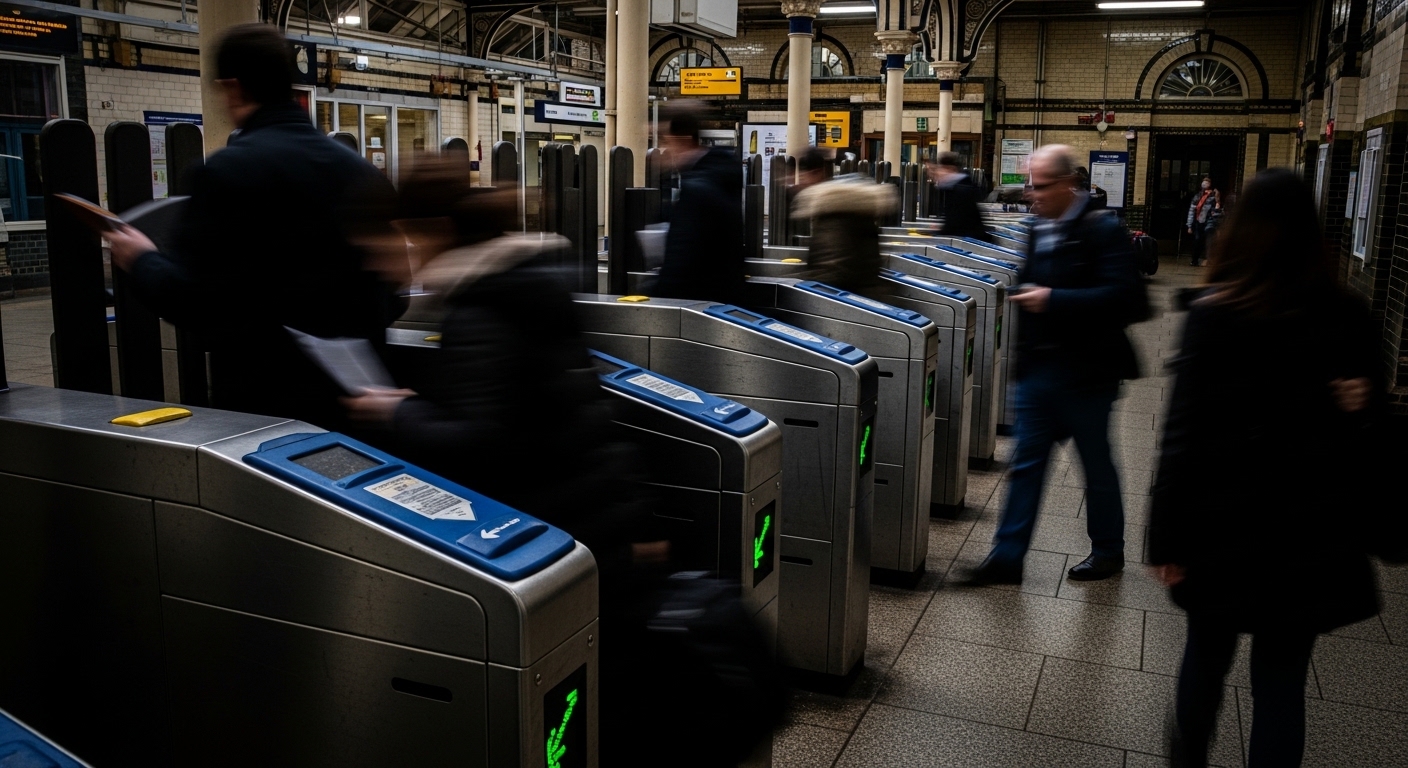
Beyond fines, fare dodgers face station and network bans enforced by Avanti West Coast and British Transport Police. These civil bans prevent entry to platforms and barriers for 12-24 months. They add significant restrictions to repeat ticketless travel.
Avanti issues these bans after prosecution under the railway byelaws. British Transport Police help enforce them at major stations like London Euston and Manchester Piccadilly. This targets train fare dodging on the West Coast Main Line.
Bans often follow a fixed penalty notice or court action. They deter unauthorised travel by blocking access to ticket barriers. Revenue protection teams and ticket inspectors identify offenders via photos.
Repeat offenders risk escalation from warning letters to full bans. This combines with a £100 fixed penalty or higher court fines up to £1,000. The process protects honest passengers from the costs of evasion.
Banning Notices and Travel Restrictions
Avanti issues ‘Do Not Travel’ notices prohibiting entry to 50+ stations, including Euston, Preston, and Holyhead. These apply after prosecution for fare evasion. They last 12-24 months, depending on the case.
The process starts post-prosecution. A photo is taken for recognition at barriers, checked by staff or cameras. British Transport Police enforce bans if needed, especially at busy spots like Liverpool Lime Street.
- Offence caught by a ticket inspector or guard during onboard inspection.
- Prosecution leads to a banning notice.
- Photo added to network database for barrier enforcement.
- BTP steps in for violations, risking arrest.
In one case, a serial evader at Liverpool Lime Street received a lifetime ban after 15 evasions in 2023. A sample notice might read: “You are prohibited from entering any Avanti West Coast station or boarding our trains for 24 months due to repeated fare evasion under Byelaw 18.” To appeal, contact Avanti customer relations within 28 days, providing evidence like payment proof.
These restrictions hit repeat offender penalties hard, blocking access to Pendolino trains and key routes. They align with national rail conditions and TOC policies. Always carry a valid advance ticket or anytime fare to avoid this.
Appeals and Mitigation Options
Appeals must be submitted within 21 days via Avanti’s online Independent Assessor process, with a notable success rate for valid cases. This process allows passengers accused of fare evasion to contest a fixed penalty notice or FPN. Many succeed by providing clear evidence of their circumstances.
The appeal process starts with gathering documents like receipts or photos. Avanti West Coast reviews submissions through its independent assessor. Success often hinges on proving an honest mistake or external factors.
Common grounds for winning include misleading signage, force majeure events, or genuine errors. Escalation options exist if the initial appeal fails. These paths offer further chances to avoid the £100 penalty.
One example involved a passenger who forgot their wallet but bought a ticket immediately after the ticket inspector issued the FPN. They submitted proof of purchase, and the appeal succeeded, cancelling the fine. Such cases highlight the value of prompt action and evidence.
7-Step Guide to Appealing Your Fare Evasion Fine

Follow this structured 7-step appeal guide to challenge a penalty from Avanti West Coast effectively. Start promptly to meet the 21-day deadline. Each step builds a strong case against ticketless travel accusations.
- Gather evidence: Collect receipts, disability proof, photos of ticket machines, or journey records showing attempts to buy a ticket.
- Submit online: Use Avanti’s appeals portal at avantiwestcoast.co.uk/appeals within 21 days of the FPN.
- Detail your case: Explain clearly, focusing on honest mistakes, unclear station barriers, or force majeure like sudden delays.
- Include supporting documents: Attach bank statements for contactless issues or medical notes for disability exemptions.
- Await assessor review: Avanti’s independent assessor examines submissions impartially under railway byelaws.
- Respond to requests: Provide extra info if asked, staying polite and factual during revenue protection reviews.
- Escalate if needed: If denied, go to the Rail Ombudsman for free review or consider Small Claims Court.
This approach maximises chances for FPN cancellation. Passengers often succeed with evidence of misleading signage at stations like London Euston or Preston. Track your submission for updates via Avanti customer service.
Notice: Informational Content Disclaimer
The content provided on this website, including articles, blog posts, and other informational materials, is intended for general informational purposes only. It is not intended as, and should not be considered, legal advice.
Visitors to this website should be aware that the information presented here is not a substitute for seeking legal advice from a qualified solicitor or legal professional. Each individual's legal situation is unique, and the information provided may not be applicable to specific circumstances.
If you require legal advice or have specific legal questions, we encourage you to contact us directly. Our experienced team of solicitors is here to assist you with your legal needs and provide tailored advice to address your concerns.
Please be advised that any communication through this website, including the use of contact forms or email, does not create a solicitor-client relationship. Confidential or time-sensitive information should not be sent through this website. To establish a solicitor-client relationship and discuss your legal matters in detail, please contact us for a consultation.
We strive to provide accurate and up-to-date information, but we make no representations or warranties regarding the accuracy, completeness, or suitability of the information contained on this website. We shall not be liable for any reliance placed on the information provided herein.
Thank you for visiting our website. We look forward to the opportunity to assist you with your legal needs.