
What Is the Penalty for Fare Evasion on Chiltern Railways



What Is the Penalty for Fare Evasion on Chiltern Railways
Caught without a valid ticket on Chiltern Railways? The penalty for fare evasion on Chiltern Railways can escalate swiftly from a standard penalty fare to court prosecution and even imprisonment. This matters for every commuter: understanding fare evasion—from definitions and common pitfalls to fixed penalty notices (FPNs), prosecution processes, maximum fines, influencing factors, and effective appeals—ensures you’re informed and protected. Discover the full spectrum of penalties and smart defences ahead.
Understanding Fare Evasion on Chiltern Railways
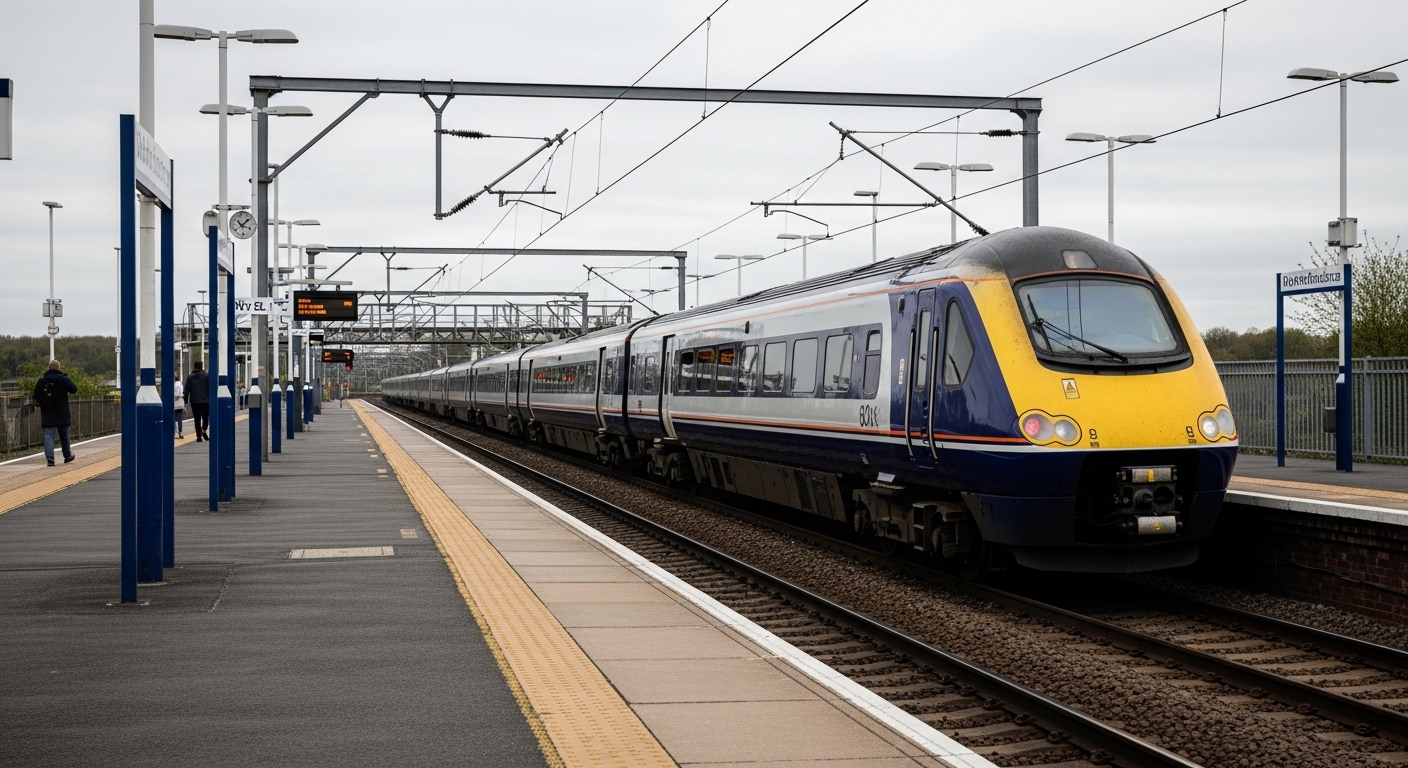
Fare evasion on Chiltern Railways involves intentionally travelling without a valid ticket on routes from London Marylebone to Birmingham Snow Hill and Oxford Parkway, costing the operator £2.7 million annually per ORR 2023 data. This ticketless travel undermines the rail network’s finances. Passengers caught face serious legal consequences.
Per Railway Byelaws 2005 Regulation 20, fare evasion means unauthorised travel without paying the correct fare. Chiltern Railways reported 4,200 incidents in 2024, with 72% occurring at barriers. These figures highlight the scale of train fare dodging on their services.
Common examples include jumping ticket barriers at Marylebone, boarding without a ticket from unstaffed stations like Oxford Parkway, scanning invalid railcards at barriers, claiming contactless payment failures, and using expired season tickets. Such actions trigger intervention by revenue protection officers or station staff. The Railway Byelaws PDF from National Rail outlines these rules clearly for passengers.
Understanding these patterns helps commuters avoid accidental breaches. Always validate e-tickets or paper tickets before boarding. Chiltern’s deterrence campaigns use posters and announcements to promote compliance.
Definition and Common Examples
Railway Byelaw 20(1) defines fare evasion as ‘travelling without previously having paid the fare or obtained a ticket for that journey.’ This covers deliberate evading payment on Chiltern services. Breaches lead to fixed penalty notices or prosecution.
Real examples from Chiltern include a passenger jumping barriers at Marylebone station, caught on CCTV footage. Another involved boarding at Beaconsfield without buying a ticket from the machine. A third saw misuse of an expired flexi-pass at Princes Risborough.
Chiltern’s revenue protection officers use bodycam footage, as per their RPO training manual, to document incidents. This evidence supports ticket inspector actions during checks. Passengers receive warnings or FPNs on the spot.
To stay compliant, purchase tickets via apps or machines at unstaffed stops like Oxford Parkway. Check season ticket expiry dates regularly. If issues arise, speak to staff promptly for excess fare options.
Standard Penalty Fares
Chiltern Railways standard penalty fare is £100, reduced to £50 if paid within 14 days, double the applicable single fare. This applies to ticketless travel detected by revenue protection officers or ticket inspectors. Passengers receive a fixed penalty notice on the spot for fare evasion.
Under National Rail Conditions 33.1, operators like Chiltern enforce these for unauthorised travel. The penalty covers the base fare plus an excess amount. Repeat offenders face escalation to prosecution or court fines.
| Scenario | Base Fare | Penalty Fare | Excess Fare |
|---|---|---|---|
| Marylebone-Birmingham | £45.90 | £100 | £54.10 |
| London-Oxford | £34.20 | £100 | £65.80 |
A 21-day appeal window allows challenges via Chiltern’s process. Use the QR code on the notice for payment. Failure to pay converts it to a civil debt pursued by enforcement officers.
Amount and Payment Process
Revenue Protection Officers issue Penalty Fare Notices on-the-spot using Chiltern’s PF300 form with a unique reference number. This covers train fare dodging at ticket barriers or by guards. The notice details the fine amount and payment options.
Payment involves these steps:
- Scan the QR code on the notice, directing to Chiltern’s secure system.
- Pay within 14 days for the 50% discount, reducing to £50.
- Enter the reference like PF-XXXXXXXX during checkout.
- Receive an emailed receipt instantly, confirming compliance.
A 2.5% card fee applies for contactless or online payments. Cheques go to the specified bank details on the form. Example receipt shows: “Chiltern Railways Penalty Fare Paid: £50.00, Ref: PF-12345678, Date: DD/MM/YYYY.”
For appeals, submit within 21 days with evidence like a valid e-ticket issue. Contact revenue protection for mitigation in first offences. Unpaid notices may lead to British Transport Police involvement or the magistrates’ court under railway byelaws.
Fixed Penalty Notices (FPN)

FPNs under Railway Byelaws carry a £80 fine (Chiltern standard), issued by authorised RPOs for proven intentional evasion.
These differ from Penalty Fares, which handle civil matters under National Rail Conditions of Carriage rule 33. FPNs target criminal intent in fare evasion on Chiltern Railways services from London Marylebone to Birmingham Snow Hill or Oxford Parkway.
| Document | Authority | Amount | Offence Type |
|---|---|---|---|
| FPN | Byelaw 20 | £80 | Intentional |
| PF | NRCoC 33 | £100 | Civil |
Issuance requires strong evidence like a witness statement from the ticket inspector, CCTV footage of ticket barrier jumps, or bodycam reference from the revenue protection officer. Without this, cases may escalate to prosecution instead of an on-the-spot fine.
Passengers receive the FPN with details of the fine amount and payment instructions. Non-payment leads to a court summons under the single justice procedure, potentially increasing the penalty.
Issuance Criteria and Fine Levels
FPN criteria require proof of intent: no ticket attempt, barrier evasion, or false declaration to the ticket inspector.
Chiltern Railways RPOs issue FPNs based on clear triggers. Common examples include excuses like “no ticket machine available” at Gerrards Cross station, which are refused if alternatives exist.
- Multiple barrier jumps captured on CCTV at busy stations like London Marylebone.
- Invalid digital ticket screenshots that fail e-ticket validation checks.
- Group evasion, where all members in a party travel ticketless and get fined individually.
Byelaw 20(3) states: “Any person who, without reasonable excuse, contravenes any provision of these Byelaws… shall be liable on summary conviction to a fine not exceeding level 2 on the standard scale.” The standard £80 FPN reflects Chiltern’s policy for intentional ticketless travel.
FPN forms list fields like offender details, offence description, evidence references, issuing RPO signature, and payment deadline. Always check for errors and consider the appeal process via the Rail Ombudsman if mitigation applies, such as first offence leniency.
Prosecution Process
Repeat offenders face criminal prosecution via the Single Justice Procedure, with Chiltern referring 320 cases in 2023. This process starts when a fixed penalty notice (FPN) fails to resolve the issue. Ticketless travel escalates quickly for those ignoring initial warnings.
On Day 0, the FPN is issued by revenue protection officers or station staff after catching fare evasion. You have 21 days to pay the public transport penalty. Non-payment triggers a formal notice.
By Day 21, a non-payment notice arrives, giving another chance to settle. If ignored, by Day 42, the case files are sent to magistrates under the CPS Rail Charging Standard 5.2. This covers breaches of railway byelaws.
At Day 60, the court treats you as guilty unless you state otherwise. Chiltern achieves a high conviction rate through this streamlined single justice procedure (SJP). Repeat offenders risk a criminal record from unchecked train fare dodging.
Criminal Charges and Court Outcomes
Charges filed under Byelaw 20(3): ‘Knowingly travelled without paying the full fare’, with a maximum £1,000 Level 3 fine. This applies to intentional ticket evasion on Chiltern services from London Marylebone to Birmingham Snow Hill or Oxford Parkway. Courts consider factors like prior convictions.
Real Chiltern court outcomes show the impact. A Marylebone serial evader received a £450 fine plus £150 costs after multiple incidents. Penalties reflect the economic loss to railway operations.
Another case involved a Birmingham Snow Hill group hit with 3x £300 fines for group travel without tickets. An Oxford repeat offender faced £800 plus a 3-month collection order. These examples highlight the sentencing guideline matrix for fare evasion.
The matrix weighs culpability and harm, from low-level excess fares to deliberate evading payment. Guilty pleas often bring discounts, while prior conviction aggravation increases fines. Seek a solicitor’s advice early to explore mitigation, such as an apology for fine reduction.
Maximum Criminal Penalties
Railway Byelaw 20 maximum penalty is an unlimited fine and/or 3 months’ custody in the magistrates’ court. This applies to fare evasion on Chiltern Railways when passengers travel without a valid ticket. Prosecution often follows repeated ticketless travel after warnings.
Courts follow the Sentencing Council’s ‘Summary Non-Motoring Offences’ guideline B20. Magistrates courts cap fines at £1,000 plus costs and a victim surcharge, with up to 3 months jail. For serious cases, the Crown Court handles cases with unlimited fines and up to 6 months’ custody.
Repeat offenders face penalty escalation. A first offence might end in a fixed penalty notice, but persistent train fare dodging leads to court. British Transport Police and revenue protection officers gather evidence like CCTV footage.
Practical advice: Always buy tickets via app, machine, or staff to avoid UK rail fines. If caught, a guilty plea can reduce sentences under guidelines. Seek a solicitor’s advice for mitigation, such as financial hardship.
Fines and Imprisonment Limits
Chiltern’s highest 2024 penalty: £2,500 fine + 100 hours unpaid work for a 15-time offender from High Wycombe. This case shows the court’s response to chronic fare dodgers. It came via magistrates under the Magistrates Court Sentencing Guidelines 2021 Table 1.
Penalties rise with offences. Courts consider prior convictions and economic loss to the railway. Revenue protection officers use body camera evidence for prosecution.
| Offences | Fine | Custody |
|---|---|---|
| 1st | £80-£300 | None |
| 3rd | £500-£1,000 | 14 days |
| 5+ | £2,000+ | 3 months |
First offences often get a fixed penalty notice leniency. Repeat cases trigger a single justice procedure or a full hearing. An apology and evidence of change can lower fines.
Compared to TfL penalties, Chiltern focuses on deterrence at stations like London Marylebone. Contact the British Transport Police if facing an unfair guard fine. Appeal via the Rail Ombudsman for disputes.
Factors Influencing Penalties
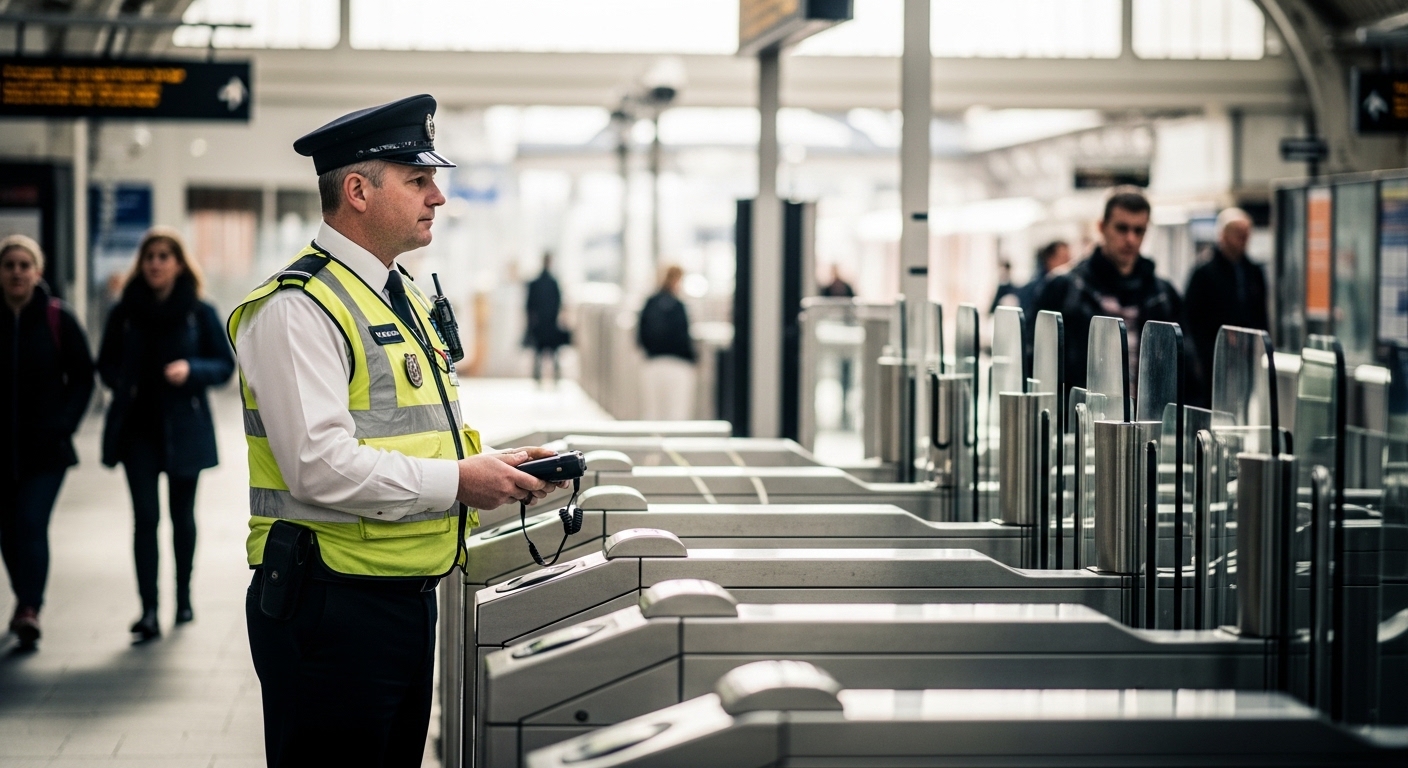
Courts apply Sentencing Council guidelines where an early guilty plea reduces the sentence by 33%, per CPS data. These guidelines shape penalties for fare evasion on Chiltern Railways. Factors like offender history and offence details determine the final outcome.
Mitigating circumstances can lower fines or lead to warnings. Aggravating factors often increase penalties through uplifts. Courts reference specific paragraphs in the guidelines for consistency.
The table below outlines key mitigating and aggravating factors with their typical impact. It draws from Sentencing Council guidelines, paragraphs 5.1 for mitigation and 5.2 for aggravation. This helps passengers understand potential adjustments to a fixed penalty notice or court fine.
| Mitigating | Aggravating | Impact |
|---|---|---|
| Apology letter | Planned evasion | -25% / +50% |
| First offence | Commercial loss | Leniency / Uplift |
Revenue protection officers consider these during enforcement. For ticketless travel on routes like London Marylebone to Oxford Parkway, early cooperation often softens the public transport penalty.
Mitigating and Aggravating Circumstances
Mitigating: immediate admission to RPO reduces FPN to a warning under Chiltern Railways policy for first offences under £20 fare. This applies to honest mistakes like forgot wallet. Quick payment shows good faith.
Other mitigators include a student hardship letter, which can halve the fine. Proof of a genuine Oyster glitch leads to refunds. Disability evidence may result in a waiver, per passenger rights.
- First offence leniency: Caution if immediate payment follows contactless payment failure.
- Apology fine reduction: Letter to rail operator cuts penalty for railcard invalid cases.
- Genuine error: E-ticket validation issue with proof gets excess fare only.
- Hardship proof: Halved fine for students on Birmingham Snow Hill routes.
Aggravators raise stakes: group evasion signals organisation. Violence against staff or ticket inspectors triggers prosecution. High-value routes like peak time to Heathrow Express add uplifts for economic loss to the railway.
Appeals and Defences
Penalty Fare appeals must use Chiltern’s PF Appeal Form within 21 days, 23% success rate per 2023 data. This form starts the operator appeal process with Chiltern Railways. Submit it online or by post with supporting evidence.
If Chiltern rejects your appeal, escalate to the Rail Ombudsman, a free service that typically resolves cases in 12 weeks. They review independently and can overturn penalties. Keep records of all communications for this step.
For serious disputes, consider judicial review in the High Court, though costs often exceed £5,000. This route suits cases of procedural unfairness by the operator. Seek a solicitor’s advice before pursuing it.
Winning defences often hinge on proof like ticket machine out-of-order notices or staff errors. Chiltern uses an independent appeal assessor for impartial reviews. Gather evidence such as photos or witness statements early.
Challenging Penalties Effectively
Successful defences include: ticket machine out-of-order proof, advance purchase receipt, or staff error (Chiltern CCTV timestamps mismatch). These show no intentional fare evasion on Chiltern Railways. Present clear evidence to strengthen your case.
Use this appeal letter template: Dear Chiltern Railways, I dispute PF123456 as the ticket machine TM-07 was OOO per station notice. I enclose [evidence description, e.g., photo dated 15/03/2024]. Please cancel the penalty or explain. Yours sincerely, [Your Name]. Adapt it with your details.
Here are five winning defences from Chiltern cases:
- Barrier fault log proving ticket barrier malfunction.
- App glitch screenshot showing failed e-ticket validation.
- Guard verbal permission note from the revenue protection officer.
- Medical emergency proof, like a doctor’s letter.
- Season ticket photocopy despite season ticket expiry confusion.
Contact the Rail Ombudsman at enquiries@railombudsman.org or 0330 094 0362 after Chiltern’s rejection. They handle passenger rights disputes fairly. Act within one year of the final operator decision.
Notice: Informational Content Disclaimer
The content provided on this website, including articles, blog posts, and other informational materials, is intended for general informational purposes only. It is not intended as, and should not be considered, legal advice.
Visitors to this website should be aware that the information presented here is not a substitute for seeking legal advice from a qualified solicitor or legal professional. Each individual's legal situation is unique, and the information provided may not be applicable to specific circumstances.
If you require legal advice or have specific legal questions, we encourage you to contact us directly. Our experienced team of solicitors is here to assist you with your legal needs and provide tailored advice to address your concerns.
Please be advised that any communication through this website, including the use of contact forms or email, does not create a solicitor-client relationship. Confidential or time-sensitive information should not be sent through this website. To establish a solicitor-client relationship and discuss your legal matters in detail, please contact us for a consultation.
We strive to provide accurate and up-to-date information, but we make no representations or warranties regarding the accuracy, completeness, or suitability of the information contained on this website. We shall not be liable for any reliance placed on the information provided herein.
Thank you for visiting our website. We look forward to the opportunity to assist you with your legal needs.