
What Is the Penalty for Fare Evasion on GWR


What Is the Penalty for Fare Evasion on GWR
Caught without a valid ticket on a Great Western Railway (GWR) train? The penalty for fare evasion on GWR could derail more than your journey. This matters because fare evasion undermines the UK’s rail network, prompting strict enforcement under railway bylaws. Discover GWR’s penalty fares, legal maximums from Regulation 22, prosecution risks, banning notices, and the full enforcement process—vital knowledge to avoid hefty fines or a criminal record.
Understanding Fare Evasion on GWR

Fare evasion on Great Western Railway (GWR) occurs when passengers travel without a valid ticket, costing the rail industry £1.2 billion annually, according to the Rail Delivery Group 2023 report. This ticketless travel burdens honest passengers through higher fares. GWR issued over 45,000 penalty fares in 2023 to tackle this issue.
The Office of Rail and Road (ORR) notes evasion rates of 2.5-4% on major train operating companies (TOCs) like GWR. Common scenarios include boarding without tickets at busy stations, using the wrong ticket types during peak times, incomplete contactless payments, and misusing return tickets. These lead to encounters with revenue protection officers or guards.
Passengers often face checks at ticket barriers or on trains, especially at hotspots like Paddington. Awareness of the Rail Penalty Fares Scheme helps avoid unintentional breaches. Always carry proof of travel to prevent escalation to fines or prosecution.
Understanding these patterns reduces risks for frequent travellers. GWR enforces rules under Byelaw 18 and the Regulation of Railways Act 1889, treating repeat fare dodging as a criminal offence with potential court action.
Definition and Common Examples
GWR defines fare evasion as travelling without a valid ticket, using an incorrect ticket type, or failing to touch in/out on contactless payment. This covers both deliberate acts and honest mistakes caught by ticket inspectors. Stations like Paddington see the highest incidents due to crowds.
One common case is boarding at Paddington without a ticket, the most frequent violation, as passengers rush to the platforms. Another is using an off-peak ticket during peak hours from Reading, invalidating the journey. These trigger penalty fare notices on the spot.
- Contactless tap-out only, no tap-in at Bristol Temple Meads, leaving no record of entry.
- An incomplete journey on a return ticket, like buying a Paddington to Bristol but alighting early at Reading without validation.
- Adult travelling with child fare, often at family stations, exceeding railcard discounts or age rules.
Revenue protection teams use CCTV evidence and witness statements during random checks. If caught, pay the excess fare plus penalty, or risk a single justice procedure notice (SJP). Check ticket machines or offices beforehand for correct anytime tickets or upgrades.
Legal Basis for Penalties
GWR penalties derive from Railway Byelaws 2005 (Byelaw 18) and the Regulation of Railways Act 1889, classifying fare evasion as a criminal offence. Byelaw 18 covers ticketless travel on trains and at stations. The 1889 Act sets the prosecution framework for fare dodgers caught by ticket inspectors or revenue protection officers.
The Rail Penalty Fares Scheme 2020 updates handling of most cases through administrative fixed penalty notices (FPNs). This avoids court for many caught at ticket barriers or during random checks. Station staff or train managers issue these on the spot for proof of travel without a valid ticket.
Prosecution happens in serious cases, like repeat offenders or evasion hotspots such as London Paddington or Reading station. Courts can impose a maximum £1,000 fine under the 1889 Act. Passengers receive a single justice procedure notice (SJP) for minor offences.
Practical advice: Always carry your advance ticket or contactless bank card details. If stopped without a ticket due to a forgotten ticket, explain to the guard and pay any excess fare immediately to avoid escalation.
Relevant UK Railway Legislation
Railway Byelaw 18 (2005) states: ‘No person shall enter any train for the purpose of travel except with a valid ticket.’ Breaching this leads to a £50 fixed penalty from GWR staff. It applies to ticketless travel anywhere on the network, including platforms without a platform ticket.
The Regulation of Railways Act 1889, Section 5, makes fare evasion a criminal offence with a maximum £1,000 fine or court summons. Magistrates’ courts handle prosecutions via SJP for quick resolution. Repeat offenders face higher court fines and possible travel bans.
- Rail Penalty Fares Regulations 2018: Sets £100 single penalty fare or £200 daily return for invalid tickets, payable to avoid prosecution.
- Transport Act 2000: Allows civil penalties as an alternative to criminal charges, used by train operating companies (TOCs) like GWR.
For example, using an off-peak ticket in peak time triggers a penalty excess. Contact GWR customer relations for the appeal process or mitigation, such as disruption delays. Seek Citizens Advice before a guilty plea in court.
Standard Financial Penalties
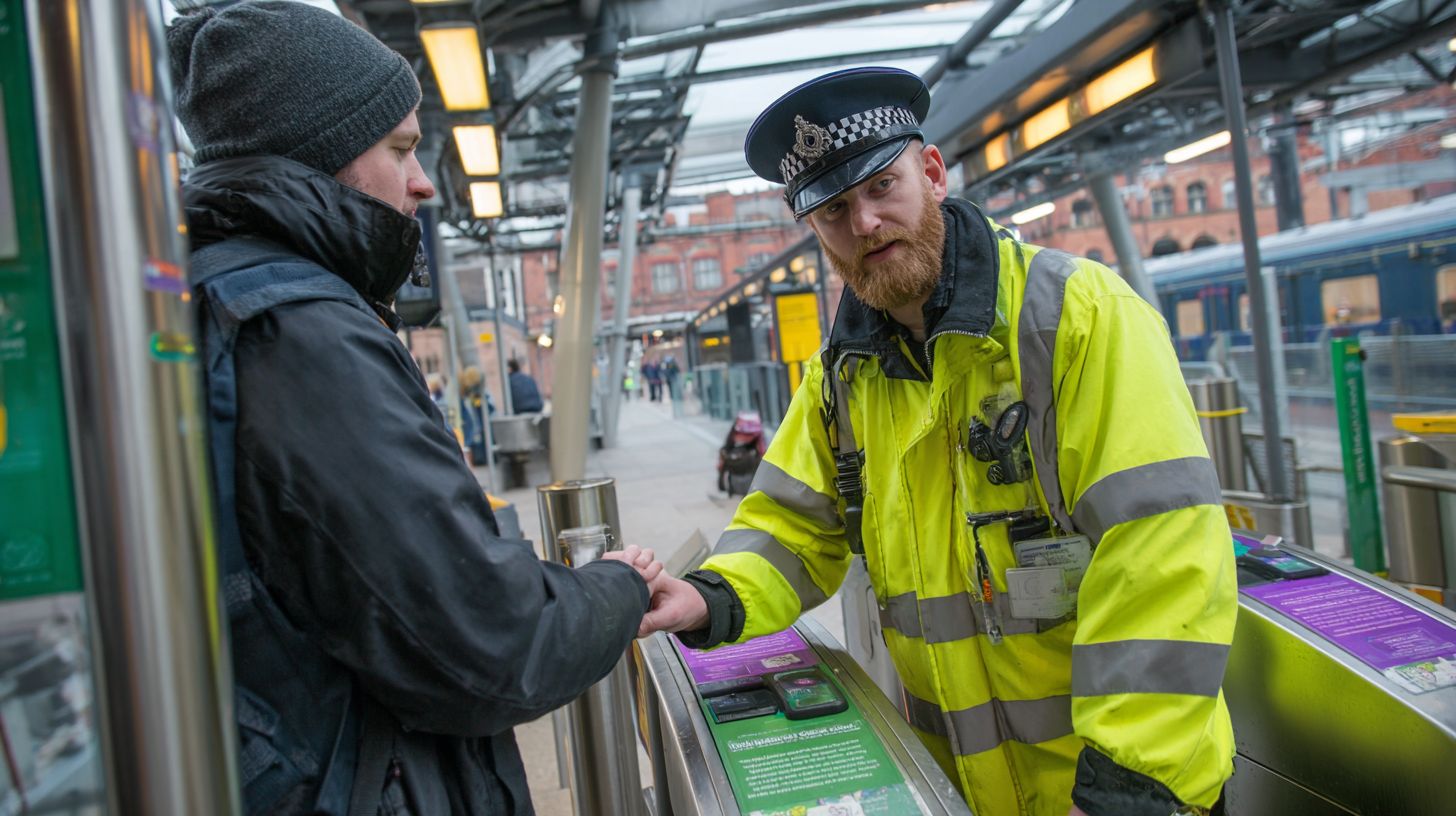
GWR issues £100 Single Penalty Fares for first-time evasion, doubling to £200 Daily Penalty Fares for repeat offences on the same journey. These follow the National Rail Penalty Fares Scheme, where a penalty fare equals the normal fare plus a fixed amount. Officers issue them on the spot to fare dodgers caught without a valid ticket.
Payable immediately or within 21 days, these fines deter ticketless travel on Great Western Railway services. Station staff, guards, or revenue protection officers enforce them at ticket barriers or during random checks. Failure to pay can lead to escalation, including a Single Justice Procedure Notice or court action.
For example, forgetting your advance ticket on a Paddington to Bristol run triggers this process. GWR encourages buying the correct fare upfront via ticket machines, apps, or offices to avoid penalties. Always carry proof of travel like contactless payment records.
Repeat offenders face higher stakes, with Daily Penalty Fares covering return trips or multiple evasions in one day. This system protects revenue while offering a quick resolution over prosecution under Byelaw 18 or the Regulation of Railways Act.
Penalty Fare Amount
Standard GWR Penalty Fare equals the highest single fare for the journey plus a £50 fixed penalty, making a minimum total of £100. Revenue officers calculate this based on journey details from ticket barriers or guard checks. It applies to ticketless travel or invalid tickets, like misused Oyster cards on non-TfL sections.
Consider a Paddington to Bristol Anytime Single at £102; add £50 for a £152 penalty. Short hops, like London to Reading, start from similar bases but scale with distance-based fares. Long-distance trips incur higher base fares, increasing the total fare.
| Journey | Normal Fare | Penalty Fare | Revenue Officer Notes |
|---|---|---|---|
| London Paddington to Reading | £75 | £125 | Short hop; caught at barrier without ticket |
| Paddington to Bristol Temple Meads | £250 | £300 | Long distance; guard check mid-journey |
| Elizabeth Line zonal misuse | £120 | £170 | Oyster invalid on GWR; Crossrail evasion |
Use this table to gauge risks on GWR routes. Buy anytime tickets or use contactless for validity. If caught, officers explain the evasion amount and payment options.
Single vs. Daily Penalty Fares
Single Penalty Fare (£100) applies once per journey; Daily Penalty Fare (£200) charges for return journeys or multiple checks on the same day. First offences get the single rate for one-way ticketless travel. Repeats on the same day or returns trigger the daily cap.
For a Paddington-Reading return caught both ways, expect £200 total as a Daily Penalty Fare. Multiple stations same day, like hopping from Reading to Swindon, then Bristol, also hits £200. Next-day evasion resets to a new £100 single.
| Aspect | Single Penalty Fare | Daily Penalty Fare |
|---|---|---|
| Amount | £100 (min) | £200 (max per day) |
| When Issued | One-way, first offence | Return trip, repeat same day |
| Example | Outbound only, no ticket | Caught both directions, Paddington-Reading |
GWR policy exceptions include mitigation for accidental evasion, like a lost season ticket, potentially reducing to a warning. Appeal via customer relations within 21 days, providing journey evidence. Repeat issues risk prosecution or travel bans.
Criminal Prosecution Penalties
Repeat fare evaders face magistrates’ court prosecution with fines up to £1,000 plus court costs under the Regulation of Railways Act 1889. This step follows refusal to pay a fixed penalty notice or persistent ticketless travel on Great Western Railway services. Criminal prosecution targets fare dodgers who ignore warnings from revenue protection officers.
GWR pursues cases through the single justice procedure notice or full court hearings for serious evasion. Stations like London Paddington and Reading see frequent checks by ticket inspectors. Evidence such as CCTV footage and witness statements from guards strengthens prosecutions.
Persistent offenders risk a criminal record, affecting DBS checks and employment. Courts consider factors like evasion amount and repeat offences. Practical advice includes seeking legal counsel from Citizens Advice before pleading guilty or not guilty.
Mitigation through proof of accidental evasion, such as a forgotten season ticket, may reduce penalties. Contact GWR customer relations early to discuss voluntary payment options. Always carry proof of travel to avoid escalation to a court summons.
Maximum Fine under Regulation 22
Regulation 22(1) Railway Byelaws sets a maximum £1,000 fine; typical GWR court awards an average of £387. Magistrates apply sentencing bands based on offence severity. First criminal cases often fall into Band A with fines of £200-£500.
Repeat fare dodgers face Band B fines of £500-£800, while aggravated cases reach Band C at £1,000. Real examples include a Bristol man fined £650 plus £200 costs in 2024 for serial evasion. A Reading serial evader received the £950 maximum in 2023 after multiple warnings.
Additional costs add up quickly with a victim surcharge of £20 or more and prosecution fees of around £150. Train managers provide journey details and excess fare calculations as evidence. Courts may impose travel restrictions or bans for hotspots like Bristol Temple Meads.
- Victim surcharge: £20 minimum, scales with fine size.
- Prosecution costs: Typically £150+, covers GWR legal expenses.
- Court fees: Extra charges for not guilty pleas requiring hearings.
To mitigate, gather defence evidence like a lost ticket receipt or railcard discount proof. Experts recommend early guilty pleas for reduced fines. Consult a duty solicitor at the magistrates’ court for personalised advice on appeals.
Additional Consequences

Beyond fines, fare evaders risk station bans, travel blacklisting, and criminal records affecting employment background checks. GWR issues Do Not Travel notices to repeat offenders each year. These measures target persistent fare dodgers under the Rail Penalty Fares Scheme.
Criminal convictions from magistrates’ court cases appear on DBS checks for several years. This impacts jobs in transport and security. Revenue protection officers enforce these through witness statements and CCTV evidence.
Repeat offenders face escalation from fixed penalty notices to prosecution. Contact GWR Customer Relations for appeal processes. Experts recommend paying fines promptly to avoid further restrictions.
Practical advice includes keeping proof of travel, like advance tickets or contactless payment records. Accidental evasion, such as a forgotten season ticket, may qualify for mitigation if reported quickly.
Banning Notices and Travel Restrictions
GWR issues ‘Prohibited Person Notices’ banning individuals from the entire network for 12-24 months after 3+ penalty fares. These apply to those with unpaid FPNs or court convictions. The notice arrives by recorded delivery from the revenue protection teams.
Enforcement levels include a 12-month ban for three or more unpaid FPNs. Court convictions lead to 24-month restrictions. Serial evasion results in permanent blacklisting from the rail network.
- Three unpaid FPNs trigger a 12-month ban from all GWR stations and trains.
- A single court conviction extends this to 24 months across Great Western Railway services.
- Persistent offenders receive lifelong travel restrictions, barring entry at ticket barriers.
In one case, a serial evader at London Paddington received an 18-month ban in 2023. Appeals go through GWR Customer Relations, where mitigation, like financial hardship, can help. Always provide journey details and defence evidence during the process.
Criminal Record Implications
Magistrates’ court fare evasion convictions create criminal records visible on Basic DBS checks for 12 months, Standard DBS for over five years. This stems from breaches of Byelaw 18 or the Regulation of Railways Act. Such records arise from unpaid FPNs leading to prosecution.
Impacts hit transport jobs hardest, like train drivers or conductors, often resulting in dismissal. Security roles fail DBS checks due to the conviction. Professional licences in regulated fields may also face revocation.
- Rail workers risk immediate suspension after a guilty plea or court summons.
- Security guards encounter barriers during DBS checks for criminal offence history.
- Licensed professions require disclosure of fare evasion penalties.
MSE forum users report cases of sacked rail staff after single justice procedure notices. Seek Citizens Advice or legal advice before a not guilty plea. Voluntary payment of fines avoids court, preserving clean records for employment.
Enforcement Process
GWR Revenue Protection Officers conduct random ticket inspections at barriers, platforms, and onboard trains, issuing 125+ penalties daily. These checks target fare evasion by ticketless travellers and those with invalid tickets. Officers use CCTV footage, witness statements, and payment data like Oyster or contactless records as evidence.
The enforcement follows a clear four-stage process. First comes the inspection, where officers request proof of travel. If no valid ticket exists, they calculate the correct fare based on journey details.
Next, they issue a Fixed Penalty Notice (FPN) or offer pay-as-you-go options. Non-payment within 21 days leads to a Single Justice Procedure notice (SJP). Escalation may result in prosecution at the magistrates’ court.
For example, a fare dodger caught at London Paddington without an anytime ticket faces an immediate penalty. Repeat offenders risk court fines up to £1,000 under Byelaw 18 or the Regulation of Railways Act 1889. Always carry valid tickets like advance or season tickets to avoid this process.
How GWR Handles Fare Evasion
GWR process: 1) Officer checks ticket → 2) No valid ticket = Excess Fare notice → 3) Refusal = £100 FPN → 4) Non-payment = Single Justice Procedure summons. This structured approach deters ticketless travel across the rail network. Contact GWR customer relations on 0345 700 0125 for queries.
Here is the full eight-step enforcement flowchart:
- Random inspection by revenue protection officers or guards at gatelines, platforms, or onboard, especially at hotspots like Paddington or Reading station.
- Officer requests proof of travel, such as contactless bank card taps or season tickets.
- Calculate the correct fare using journey details, zonal fares, or distance-based options like peak anytime or off-peak tickets.
- Offer immediate pay-as-you-go via ticket machine, excess fare, or £100 FPN under the Rail Penalty Fares Scheme.
- 21-day payment window for voluntary settlement, with options to pay online via the GWR website.
- Non-payment triggers an SJP notice for a magistrates’ hearing without a court appearance if a guilty plea is submitted.
- Hearing determines court fine, potential criminal record, or escalation for repeat offenders.
- Failure to pay leads to bailiffs or enforcement agents, possible travel bans, or Rail Ombudsman complaints.
For appeals, submit within 21 days, citing mitigation like forgotten tickets or disruption from engineering works. Seek Citizens Advice or legal advice before making not guilty pleas. First offences may receive warnings, but evasion amounts add to penalties.
Notice: Informational Content Disclaimer
The content provided on this website, including articles, blog posts, and other informational materials, is intended for general informational purposes only. It is not intended as, and should not be considered, legal advice.
Visitors to this website should be aware that the information presented here is not a substitute for seeking legal advice from a qualified solicitor or legal professional. Each individual's legal situation is unique, and the information provided may not be applicable to specific circumstances.
If you require legal advice or have specific legal questions, we encourage you to contact us directly. Our experienced team of solicitors is here to assist you with your legal needs and provide tailored advice to address your concerns.
Please be advised that any communication through this website, including the use of contact forms or email, does not create a solicitor-client relationship. Confidential or time-sensitive information should not be sent through this website. To establish a solicitor-client relationship and discuss your legal matters in detail, please contact us for a consultation.
We strive to provide accurate and up-to-date information, but we make no representations or warranties regarding the accuracy, completeness, or suitability of the information contained on this website. We shall not be liable for any reliance placed on the information provided herein.
Thank you for visiting our website. We look forward to the opportunity to assist you with your legal needs.