
What is the Penalty for Fare Evasion on Southeastern



What is the Penalty for Fare Evasion on Southeastern
Caught without a valid ticket on Southeastern railway? The penalty for fare evasion on Southeastern starts at a £80 Fixed Penalty Notice, escalating to court fines over £1,000 if ignored. With fare evasion costing UK rail networks millions annually, understanding Southeastern’s rules is essential for commuters. This guide breaks down definitions, penalty amounts, legal grounds, escalation risks, influencing factors, repeat offender impacts, and appeal options—giving you the power to avoid costly pitfalls.
What is Fare Evasion on Southeastern?
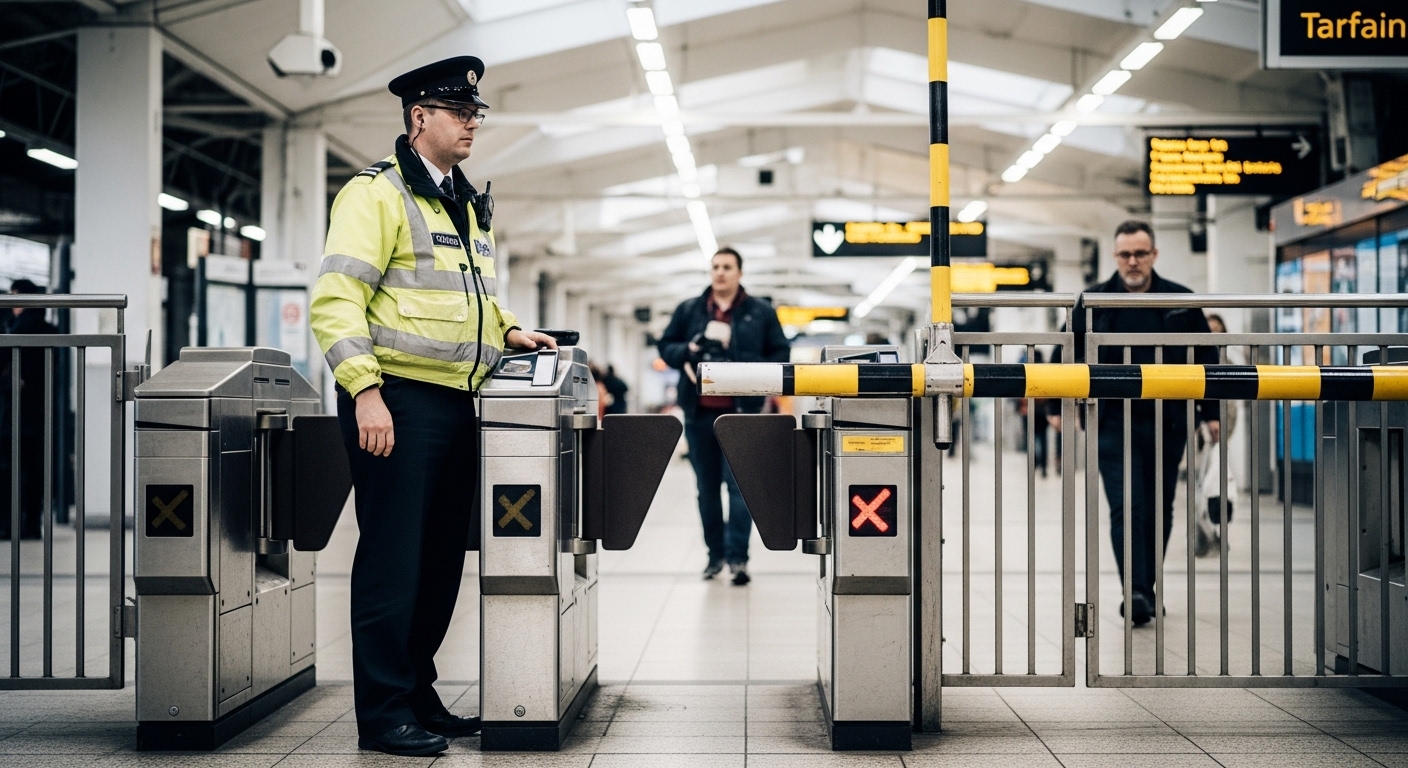
Fare evasion on Southeastern trains occurs when passengers travel without a valid ticket, using incorrect tickets, or failing to touch in/out with Oyster/contactless. This breaches the National Rail Conditions of Carriage (NRCoC) and the Railways Act 2005. It includes ticketless travel or improper validation on the network.
Common examples involve jumping barriers at London Bridge, using an expired Oyster card at Charing Cross, or buying an incorrect zone ticket from Ashford International. Other cases are no-touch on contactless at Blackfriars or season ticket misuse during peak hours. These actions trigger penalty fares or further enforcement.
Southeastern hotspots appear on network maps around London commuter rail stations like London Bridge, Charing Cross, and Cannon Street. Evasion hotspots often cluster at penalty fare stations with high footfall. Passengers should always validate their tickets to avoid rail enforcement.
Revenue protection teams patrol these areas using CCTV footage and ticket barriers. Guards check for journey validation during travel. Proper ticketing supports fair fares across Kent services and Thameslink overlaps.
Definition and Common Examples
Southeastern defines fare evasion as any intentional travel without proper validation, enforced under Byelaw 18 and NRCoC clause 19. This covers breaches on Southeastern railway services. Intentional acts lead to penalty notices from enforcement officers.
Key examples include jumping barriers at London Bridge, a penalty fare station with an £80 fine. Failing to touch out at Cannon Street results in a Level 1 penalty. Using a child Oyster as an adult on Kent services counts as misuse.
- Short-hop evasion at Thameslink overlap stations like Blackfriars involves incorrect zoning.
- Group evasion with a single ticket at Ashford breaches child fare rules and group saver terms.
- Railcard misuse or season ticket expiry during peak times triggers excess fares.
Station staff or ticket inspectors issue fixed penalty notices on the spot. Evidence like bodycam footage supports cases. Passengers face legal consequences, such as a court summons for repeat offenders.
Standard Penalty Structure
Southeastern’s standard penalty fare is £80 within the London Travelcard area or £50 + twice the full single fare elsewhere, per the Penalty Fares Scheme Regulations 2018. This splits into a Level 1 penalty of £80 for evasion at designated stations like London Bridge. Level 2 penalty applies at non-designated stations, adding twice the standard fare toa £50 base.
Designated stations feature ticket barriers and revenue protection staff for immediate enforcement. Reference Table 1 from Southeastern’s Penalty Fares leaflet for full lists. The calculation formula is base fine plus the excess fare, doubled for the evaded journey.
For example, evading at Charing Cross, a penalty station, triggers the fixed £80. At non-designated spots like Ashford, it becomes £50 plus double the single fare to the destination. This structure deters ticketless travel across the Southeastern network, Kent services, and the Thameslink overlap.
Revenue protection officers issue notices on the spot using inspector powers backed by the Railways Act 2005 and the National Rail Conditions of Carriage. Always validate tickets at barriers or with guards to avoid fare evasion penalties.
Fixed Penalty Notice (FPN) Amount
A Fixed Penalty Notice on Southeastern starts at £80 for London zone evasion or £50 plus double the applicable single fare for Kent or Thameslink routes. This covers train fare evasion via Oyster misuse, invalid paper tickets, or contactless errors. Penalty stations like London Bridge enforce the fixed rate strictly.
| Station Type | Base Fine | +Excess Fare | Total Example |
|---|---|---|---|
| Penalty station (London Bridge) | £80 fixed | Off-peak single £5.60 x2 | £101.20 |
| Zone 1-2 evasion | £80 | Included | £80 |
| Non-penalty (Ashford-London) | £50 | £19 x2 = £38 | £88 |
| Oyster misuse (peak) | £80 | Included | £80 |
These examples highlight UK rail fines variations by location and time. Peak excess at non-designated stops might total £50 + £22 = £72 for short trips. NRCoC penalty table aligns with this for rail enforcement.
Group evasion or railcard misuse follows similar rules, doubling the standard fare shortfall. Ticket inspectors gather evidence via CCTV or bodycams at hotspots like Blackfriars or Cannon Street.
Payment Deadlines and Process
FPNs must be paid within 21 days directly to Southeastern via their online portal, app, or nominated office, with 14-day instalment options for fines over £100. Receive the notice from a revenue protection officer with a unique PN number. Late payment adds £40, turning it into civil debt.
- Inspect the FPN for PN number and journey details issued by the enforcement officer.
- Pay online at southeasternrailway.co.uk/penalty or via app within 21 days.
- Call 0345 322 7020 for an instalment plan, minimum £20 per month for larger fines.
- Post a cheque to the specified PO Box if preferred.
- Keep your receipt as proof against further action, as a court summons.
Missing the deadline risks magistrates’ court escalation, a potential criminal record, or a single justice procedure. Repeat offenders face a higher maximum penalty under byelaws. Contact station staff early for mitigation if issues like ticket expiry arise.
Southeastern encourages prompt payment to avoid legal consequences. Appeals go through their process before the ombudsman if needed, focusing on evidence like witness statements.
Legal Basis for Penalties

Southeastern penalties derive from the Railways Act 2005 Section 38, the Railway Byelaws Regulation 20, and National Rail Conditions of Carriage (NRCoC) clauses 19-22, with TfL integration for Oyster enforcement. These laws create a framework for tackling fare evasion on Southeastern trains. Passengers caught without a valid ticket face civil or criminal consequences depending on the situation.
The Railways Act 2005 §38(1) states: “If a person travels on a train without a ticket entitling him to do so, an authorised collector may charge him the excess fare.” This turns ticketless travel into a civil debt. For example, if you board at a non-designated station without buying a ticket, staff can issue a penalty notice for the standard fare plus extra charges.
- Byelaw 18 prohibits ticketless travel: “No person shall enter any train for the purpose of travelling on that train unless he has with him a valid ticket entitling him to travel.”
- Byelaw 20 authorises penalty fares: “A person who contravenes Byelaw 18 shall be liable to a penalty fare.”
- NRCoC 19.3 defines evasion: “You must not travel on a train unless you have a valid ticket for your entire journey.”
The Penalty Fares Scheme 2002 (as amended) sets rules for enforcement across the Southeastern network, including Kent services and Thameslink overlap. Court precedent like R v Railway Executive ex parte Moules [1950] supports operator powers to collect fares. Always validate your Oyster card or paper ticket at barriers to avoid these issues.
Escalation if Unpaid
Unpaid fixed penalty notices for fare evasion on Southeastern escalate to county court judgment after 28 days, then magistrates’ prosecution under the Single Justice Procedure with potential criminal record.
You first receive a penalty notice with 21 days to pay. If ignored, a final notice arrives at 28 days, warning of a court summons. Many cases then proceed to magistrates under the Railways Act 2005.
The fee structure starts at £40 for the initial excess, plus court costs if prosecuted. Enforcement officers treat unpaid fines as civil debt. Prompt payment avoids revenue protection escalation and ticket inspector follow-up.
For Southeastern trains, repeat fare dodgers face higher evasion penalties. Contact station staff or use the appeal process early. Ignoring notices risks prosecution at hotspots like London Bridge or Charing Cross.
Court Prosecution Outcomes
Prosecuted evaders face magistrates’ court under the Railways Act 2005, with typical outcomes including £200-£500 fines plus £154 victim surcharge and £85 costs.
Sentencing Council guidelines outline common results. A guilty plea often brings a 33% fine reduction, dropping £300 to £200. Conditional discharge applies to first offences with no prior convictions.
Community orders target repeat offenders on the southeastern network. Absolute discharge occurs with strong mitigation, like disability discounts or underage evasion claims. In 2023, Canterbury magistrates fined a repeat evader £1,200 total.
Prepare by gathering evidence, such as CCTV footage or witness statements. Legal consequences include previous convictions affecting future travel. Use instalment plans for fine payment to avoid further issues.
Maximum Magistrates’ Court Fine
Magistrates’ courts can impose unlimited fines for Railway Byelaw offences, though Band A (£200-£500) is standard; the maximum recorded Southeastern fine was £2,500 in 2022.
Sentencing guidelines use fine bands: Band A starts at £200 plus, Band B at £500 plus, Band C at £1,000 plus. Total court costs average £300-£600, including surcharge. Ticketless travel often falls into Band B.
| Offence Type | Guideline Band | Max Fine | Typical Total |
|---|---|---|---|
| Ticketless Travel | B | £1,000 | £1,654 |
Reference ORR enforcement statistics for 2023 patterns on UK rail fines. Factors like group evasion or peak time fares push bands higher. Mitigate with proof of season ticket expiry or journey validation issues.
Penalty for Fare Evasion on Southeastern: Factors Influencing Severity

Penalty severity varies by factors like intent (deliberate vs accidental), journey distance, peak/off-peak timing, and passenger circumstances per Southeastern’s Revenue Protection Policy.
Revenue protection officers assess these elements during guard confrontation or at ticket barriers. This helps determine if the case leads to a fixed penalty notice, court summons, or lighter outcome like a warning.
Southeastern trains apply rules under the Railways Act 2005 and National Rail Conditions of Carriage. Factors can shift the fine amount from a standard excess fare to maximum penalties via the single justice procedure.
Key Weighted Factors
Southeastern weighs several factors influencing penalty severity in fare evasion cases. These guide whether you receive a level 1 penalty or escalation to prosecution.
- Distance travelled: Longer journeys like Ashford to London attract higher penalties due to greater revenue loss from ticketless travel.
- Peak time multiplier: Travel during rush hours on the London commuter rail increases the evasion penalty, reflecting higher demand and fares.
- Group evasion: Multiple passengers dodging fares, such as families ignoring child fare rules, multiply the penalty based on group size.
- Disability/railcard evidence: Valid proof can lead to a significant reduction, such as disability discounts or railcard misuse corrections.
- First offence: No previous convictions often result in a warning or absolute discharge instead of a full fine.
- CCTV/bodycam evidence strength: Clear footage from evasion hotspots like London Bridge or Charing Cross strengthens the case for rail enforcement.
Mitigation Checklist
Use this mitigation checklist from Southeastern’s complaints procedure to reduce your penalty. Gather evidence quickly after receiving a penalty notice.
- Check for accidental evasion, such as season ticket expiry or incorrect ticket validation at non-designated stations.
- Provide proof of disability discount eligibility or Oyster card issues with TfL integration.
- Submit a witness statement explaining the circumstances, like evasion during disruption or engineering works.
- Highlight if it’s a first offence with no prior record of repeat offender behaviour.
- Appeal via the appeal process, referencing NRCoC or byelaws for underage evasion or group saver misuse.
- Contact station staff for instalment plans if facing civil debt or magistrates’ court costs.
Experts recommend acting fast on Southeastern complaints to avoid prosecution. This can lead to refunds or compensation claims under passenger rights.
Repeat Offender Consequences
Repeat fare evaders on Southeastern face automatic prosecution, travel bans, and enhanced fines starting at 200% of the single fare under the Revenue Protection escalation policy. This structured approach aims to deter persistent ticketless travel. Offenders quickly encounter stricter measures after initial leniency.
First offences typically result in a fixed penalty notice or FPN, offering a chance to pay without court. A second offence triggers a court summons and a formal travel ban warning. By the third offence and beyond, consequences include a criminal record and placement on the DOAJ list, barring future journeys.
Southeastern’s annual report notes that 12% of 2023 prosecutions involved repeat offenders, highlighting the issue’s scale. Enforcement relies on revenue protection teams using CCTV footage, witness statements, and bodycam evidence. This data supports targeted action at evasion hotspots like London Bridge and Charing Cross.
Consider a London commuter banned after five offences, facing £4,200 total liability. Initially fined via FPN, repeated guard confrontations led to a magistrates’ court under the Railways Act 2005. The case ended with a community order, costs, and a victim surcharge, showing real legal consequences for fare dodgers.
Appeals and Mitigation Options

Southeastern appeals must be submitted within 21 days via their online form with evidence. Research suggests success often comes from genuine errors like machine faults or incorrect staff advice. This process offers a chance to challenge a penalty fare before it escalates.
Start the appeal process by gathering proof such as ticket stubs, photos of barriers, or witness details. Southeastern reviews cases under the Passenger Rights Regulation 1371/2007, which protects against unfair charges. Act quickly to avoid missing the deadline.
If approved, the penalty notice gets cancelled, and you may receive a refund. Common mitigation includes proof of disability discounts or prior valid tickets. Repeat offenders face stricter scrutiny during review.
- Submit your appeal within 21 days at southeasternrailway.co.uk/appeals, including ticket stub or photo evidence.
- Expect a decision within 10 days via email or post.
- If rejected, escalate to the Rail Ombudsman, a free independent service.
- Use valid grounds like machine faults, staff advice, or disability proof.
Success examples include appeals won for Oyster card glitches at London Bridge or expired season tickets with renewal proof. Always provide clear evidence to support your train fare evasion claim.
Evidence Requirements Checklist
Build a strong case with a complete evidence checklist for your Southeastern appeal. Include timestamps and details matching your journey. This helps revenue protection officers verify your story.
- Photos of ticket barriers or machines showing faults.
- Copies of paper tickets, mobile tickets, or contactless statements.
- Witness statements from station staff or fellow passengers.
- Medical proof for disability discounts or assistance needs.
- CCTV request confirmation if relevant to the incident.
Organise evidence neatly in your submission. For instance, a photo of a jammed validator at Charing Cross paired with a standard fare receipt often leads to mitigation. Keep digital copies for Rail Ombudsman escalation.
Experts recommend attaching a timeline of events. This covers journey validation issues like peak time fares or group evasion. Incomplete evidence risks automatic rejection.
Notice: Informational Content Disclaimer
The content provided on this website, including articles, blog posts, and other informational materials, is intended for general informational purposes only. It is not intended as, and should not be considered, legal advice.
Visitors to this website should be aware that the information presented here is not a substitute for seeking legal advice from a qualified solicitor or legal professional. Each individual's legal situation is unique, and the information provided may not be applicable to specific circumstances.
If you require legal advice or have specific legal questions, we encourage you to contact us directly. Our experienced team of solicitors is here to assist you with your legal needs and provide tailored advice to address your concerns.
Please be advised that any communication through this website, including the use of contact forms or email, does not create a solicitor-client relationship. Confidential or time-sensitive information should not be sent through this website. To establish a solicitor-client relationship and discuss your legal matters in detail, please contact us for a consultation.
We strive to provide accurate and up-to-date information, but we make no representations or warranties regarding the accuracy, completeness, or suitability of the information contained on this website. We shall not be liable for any reliance placed on the information provided herein.
Thank you for visiting our website. We look forward to the opportunity to assist you with your legal needs.