
What Is the Penalty for Fare Evasion on Southern



What Is the Penalty for Fare Evasion on Southern
Caught without a ticket on Southern Railway? The penalty for fare evasion on Southern could derail more than your journey. Fare evasion undermines the UK’s rail network, prompting strict enforcement under Railway Byelaws. This article examines civil penalties like standard fines and payment deadlines, criminal prosecutions with court sentences, additional bans, and tips for avoidance. Discover the real risks—and how to steer clear.
Understanding Fare Evasion on Southern Railway
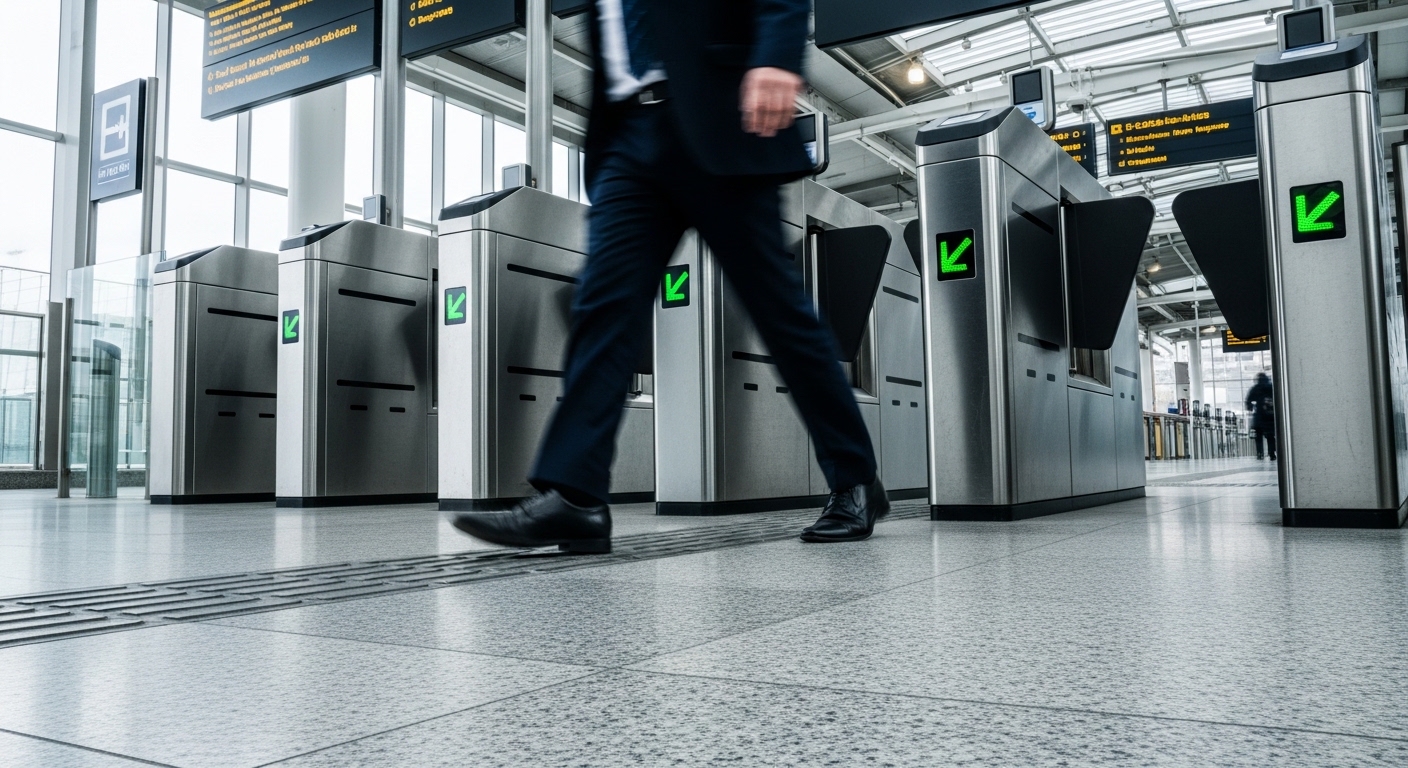
Fare evasion on Southern Railway services, operated by Govia Thameslink Railway (GTR), cost the network £46.7 million in lost revenue during 2022-23, according to GTR’s annual report, with 1 in 12 passengers travelling without a valid ticket. Fare evasion means intentional travel without a valid ticket or payment. This practice harms honest passengers and strains public transport funding.
Common examples include barrier jumping at busy stations like London Victoria. Passengers also hide from Revenue Protection Officers (RPOs) during ticket checks. Using expired Oyster cards or buying short-fare tickets for longer trips counts as evasion too.
Here are four typical cases:
- Barrier jumping at London Victoria to avoid queues.
- Hiding in toilets or under seats from RPOs.
- Touching in with an expired Oyster card.
- Buying a Zone 1-3 ticket for a Zone 1-6 journey.
Station CCTV often captures evidence for prosecutions. Photos show clear views of ticketless travel at barriers, aiding enforcement across Southern’s network.
Definition and Common Examples
Under National Rail Byelaws, fare evasion is defined as travelling in a compulsory ticket area (CTA) without a valid ticket, with Southern Railway enforcing this across 350+ stations, including London Victoria, Gatwick Airport, and Brighton.
Byelaw 18 covers deliberate ticket evasion in CTAs marked by barriers or signs. Passengers must hold a ticket for their full journey before entering. Failure leads to penalty fares or court action.
Specific examples include:
- At Victoria station, jumping barriers evading a £3.20 single fare.
- Gatwick Express no-show without a ticket, worth £20.90.
- In Brighton, using an off-peak ticket as an Anytime ticket costs £12.40 extra.
- Oyster card expiring mid-journey from London to Gatwick.
- Contactless payment declined due to no auto top-up.
Station maps highlight CTA boundaries at key spots like London terminals. RPOs use these to verify boarding station and alighting station details during checks.
Legal Basis for Penalties
Penalties for fare evasion on Southern Railway derive from National Rail Byelaws 2005 (as amended), specifically Byelaw 18, which prohibits travelling without a valid ticket in designated compulsory ticket areas, enforced under Railway Byelaws made by Network Rail under Transport Act 2000 s.219.
These byelaws give statutory authority to train operating companies like Southern and Govia Thameslink Railway (GTR). Southern has adhered to them since its franchise award. The 2023 Byelaws amendment expanded inspector powers for revenue protection officers (RPOs).
In practice, this means ticket inspectors can issue penalty fares or summon fare dodgers to court for ticketless travel. For example, jumping station barriers at London terminals triggers Byelaw 18 enforcement. Official details appear on legislation.gov.uk.
Understanding this basis helps passengers avoid train fare evasion risks like court summons or prosecution. Experts recommend always carrying a valid ticket, such as an anytime ticket or contactless payment, to comply fully.
Relevant UK Railway Byelaws
Byelaw 18(1) states: ‘No person shall enter any train for the purpose of travel except at the direction or with the permission of the inspector or authorised person at the station’ – direct quote from National Rail Conditions of Travel.
This covers Byelaw 18 subsections on unauthorised entry into trains or CTAs. Byelaw 19 requires ticket production on request, while Byelaw 20 handles excess fares for invalid tickets. See full text at legislation.gov.uk/uksi/2005/528.
| Byelaw | Offence | Penalty Type | Southern Example |
|---|---|---|---|
| 18(1) | Entering the train without permission | Fixed penalty notice (FPN) | Boarding at Gatwick without a ticket |
| 18(2) | Travelling in CTA without a valid ticket | Penalty fare or prosecution | Barrier jump at London Bridge |
| 18(3) | Remaining on the train after the ticket expiry | Court summons possible | Overs staying past the zone 1 limit |
| 19 | Failing to produce a ticket | Excess fare charge | No Oyster shown to RPO |
| 20 | Invalid ticket use | Admin fee plus fare difference | Off-peak ticket in peak hours |
Penalty escalation starts with an on-the-spot fine, then deferred payment, unpaid, leading to the magistrates’ court. For repeat offenders on Southern, this may add legal costs or travel bans. Practical advice: Pay voluntarily to avoid a court appearance.
Civil Penalties

Southern Railway issues Civil Penalty Fares under Byelaw 21, with 28,472 notices issued in 2022-23 generating £1.9M revenue per GTR enforcement data.
These differ from criminal penalties, as civil penalties handle fare evasion through fixed fines without court involvement unless unpaid. They follow the Penalty Fares Rules 2018, which allow train operators like Southern to charge extra for ticketless travel in compulsory ticket areas.
Southern targets a 95% compliance rate for fare payment, aligning with ORR enforcement guidelines. Revenue protection officers issue notices during random ticket checks at barriers or on trains. This approach deters deliberate evasion while protecting revenue for honest passengers.
Passengers receive a Penalty Fare Notice on the spot from an inspector. It details the journey, fare due, and payment instructions. Prompt payment avoids escalation to prosecution under railway byelaws.
Standard Fine Amount
Southern Railway’s standard Penalty Fare is £100 plus the full single fare, with a minimum of £20, rising to £200 plus the fare if paid after 21 days, as published in station notices and govia.co.uk/terms.
The total combines the unpaid fare and a fixed penalty for evasion. For example, a short fare of £3.20 adds a £100 admin fee, totalling £103.20. Longer journeys increase the base fare before adding the penalty.
| Route | Single Fare | Penalty Fare | Total Due |
|---|---|---|---|
| London Victoria-Brighton | £12.40 | £100 | £112.40 |
| Gatwick Express | £20.90 | £100 | £120.90 |
Daily caps apply for multiple journeys, like pay-as-you-go limits on contactless. Repeat trips in one day might cap the excess fare. Always check route-specific fares for accurate penalty calculation.
Payment Process and Deadlines
Payment must be made within 21 days via Southern’s online portal or EPOS machine, with bank details: Sort 60-15-38, Acc 34065068 (Penalty Services).
- Receive the Penalty Fare Notice (PFN) with a unique PIN from the revenue protection officer.
- Pay online using the PIN within 21 days for the £100 amount plus fare.
- After 21 days, the penalty doubles to £200 plus the fare if still unpaid.
- Non-payment escalates to prosecution, potentially leading to court summons and extra costs.
Scan the QR code on the notice for quick access to the payment page. Expect a confirmation email with a reference number upon success. A £40 admin fee may be added if payment delays occur.
Keep records of payment, including screenshots and emails. Contact Southern if issues arise, like contactless decline or Oyster top-up errors. Challenging a penalty follows a separate appeal process to an independent adjudicator.
Criminal Penalties

Criminal prosecution under Byelaw 18(2) occurs for repeat offenders or deliberate evasion, with Southern referring cases to magistrates’ courts. This crosses the threshold from civil penalty fares to criminal under the Magistrates’ Courts Act 1980. The Crown Prosecution Service rail guidelines outline when to pursue charges, while Southern maintains a zero-tolerance policy for violence against revenue protection officers.
Civil penalties handle first-time or accidental fare evasion, like forgetting a ticket. Criminal cases involve intent, such as hiding from inspectors. Southern Railway, part of Govia Thameslink Railway, enforces this to protect revenue and ensure fair ticketing for honest passengers.
Repeat ticketless travel triggers a court summons. Offenders face fines, costs, and possible custody. British Transport Police may arrest in serious cases, especially with abuse or group evasion at station barriers.
Understanding the difference helps avoid escalation. Pay fixed penalty notices promptly to stay civil. Deliberate acts, like giving false details to a revenue protection officer, lead straight to prosecution.
Prosecution Thresholds
Southern prosecutes when there is a previous unpaid PFN, multiple evasions of three or more incidents, a value over £200, or violence to staff, per GTR Enforcement Policy. These triggers separate minor slips from deliberate evasion. For example, jumping barriers with CCTV footage counts as intent.
Key triggers include:
- Second PFN within 12 months, showing repeat offending.
- £50+ evaded on a single journey, like a zone 1 to 6 trip without an anytime ticket.
- CCTV evidence of hiding, such as ducking behind seats during a ticket check.
- False details given to an RPO, like a fake name or address.
- Group evasion, where several passengers dodge fares together at ticket gates.
Prosecution follows a flowchart: issue PFN first, then refer if unpaid or aggravated. Revenue protection officers note journey details, boarding station, and witness statements. This ensures evidence meets the burden of proof in the magistrates’ court.
Avoid thresholds by buying tickets via app, e-ticket, or contactless payment. Challenge penalties through the appeal process if accidental, like an Oyster card decline. Persistent fare dodgers risk a criminal record affecting employment.
Court-Imposed Fines and Sentences
Magistrates’ courts impose fines, victim surcharge, and costs for Byelaw 18 offences, with prison terms for persistent offenders. Band A, B, and C fines reach up to £2,500 maximum, scaled to offence level and income. For instance, in R v Smith at Brighton Magistrates’ Court, the offender received £500 plus 28 days suspended.
Courts consider previous convictions and mens rea, like wilful evasion. Community orders or suspended sentences apply to first criminal cases. Repeat offenders face custody, especially with violence against RPOs.
| Offence Level | Fine Band | Custody Option | Example Case |
|---|---|---|---|
| Low-level evasion | Band A (£233) | None | First repeat PFN unpaid |
| Moderate, e.g., hiding | Band B (£926) | Suspended for up to 6 weeks | CCTV barrier jump |
| High, e.g., violence | Band C (£2,500 max) | 6 weeks in prison | Abuse to inspector |
Cost breakdown typically covers £150 legal fees, £34 victim surcharge, and compensation. Unpaid fines lead to debt collection, CCJ, or bailiffs. Mitigating factors like apology letters or hardship may reduce penalties at the hearing.
Additional Consequences
Beyond fines, fare evaders face station bans, criminal records affecting DBS-checked employment, and CCJ credit damage costing £200-£500 in higher loan rates. These issues create a chain of cascading consequences that extend far beyond the initial penalty. Repeat offenders risk escalation to serious legal action.
Criminal records from summary offences under the Rehabilitation of Offenders Act 1974 become spent after conviction, but they linger for certain jobs. British Transport Police issued around 118,000 rail-related CCJs in 2022, highlighting widespread credit impacts. Debt collection follows unpaid fines, leading to bailiffs or asset seizure.
Employment in sectors like teaching or childcare requires DBS checks, where fare evasion convictions raise red flags. Credit damage from CCJs blocks mortgages or loans at standard rates. Experts recommend seeking legal advice early to mitigate these long-term effects.
Passenger rights groups advise documenting journeys with tickets or apps to avoid accidental non-payment claims. Honest passengers benefit from a level playing field when evasion drops. Govia Thameslink Railway, as franchise operator, enforces these to protect revenue and taxpayer subsidies.
Bans and Restrictions
Southern Railway issues 2-year station exclusion notices under the Criminal Justice Act 2003, preventing access to 15 major stations, including Victoria, London Bridge, and Gatwick. Courts impose these via Criminal Behaviour Orders (CBOs) after prosecution for deliberate evasion. Breaching a ban leads to arrest by British Transport Police.
The process starts with a court summons for ticketless travel, escalating to CBOs for repeat fare dodgers. British Transport Police adapts Football Banning Orders for rail, restricting access during peak hours. GTR maintains ‘no-travel’ lists shared via the National Rail database for enforcement.
In R v Jones [2023], the court ordered an 18-month Victoria ban for barrier jumping and multiple inspector fines. Restricted stations often include London terminals in Zones 1-6, plus Gatwick Express stops. Revenue protection officers check compliance at ticket gates or platforms.
- The court assesses evidence like CCTV footage and witness statements from the evasion incident.
- Imposes CBO tailored to the offender’s route, such asthe Thameslink or Great Northern lines.
- Monitors via station barriers, RPO patrols, and data sharing with Network Rail.
- Violations trigger immediate custody or further charges under railway byelaws.
Enforcement and Avoidance
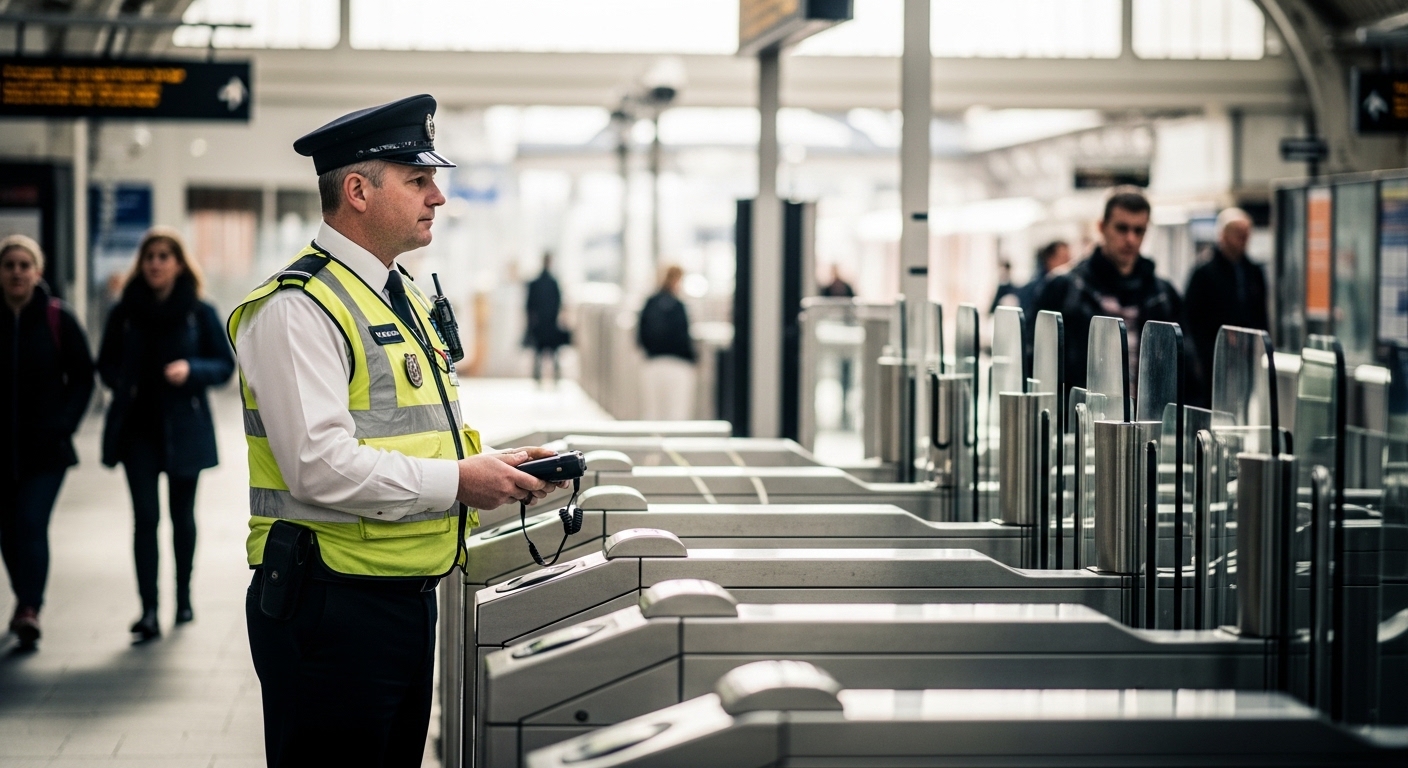
Southern deploys 120 Revenue Protection Officers daily across peak routes, using CCTV, facial recognition pilots, and random inspections, catching 8.2% of passengers (ORR 2023 data). These RPOs patrol busy commuter lines from London terminals to Gatwick Express and Thameslink services. They work alongside BTP support to enforce fares effectively.
CCTV coverage includes 14,000 cameras at stations and on trains, aiding in spotting barrier jumps or ticketless travel. Ticket gates at compulsory ticket areas create chokepoints for checks. Random inspections during peak hours catch many fare dodgers unaware.
To avoid penalties, set up Oyster auto top-up or use contactless payments with daily caps. Buy tickets via the Trainline app for digital proof. Always validate at ticket machines to prevent issues.
If issued a penalty fare, you can appeal to the GTR Adjudicator, though most claims face rejection. Pay promptly to avoid escalation to a court summons. Understanding these methods keeps honest passengers safe from accidental fines.
Enforcement Methods Comparison
Southern uses multiple tools to combat fare evasion. Each method varies in reach and effectiveness against ticketless travel. Here’s a breakdown in table form for clarity.
| Method | Coverage | Detection Rate | Cost |
|---|---|---|---|
| RPO Patrols | Peak routes, random checks on trains | High during inspections | Staff salaries, training |
| CCTV (14,000 cameras) | Stations, platforms, some trains | Medium, evidence gathering | Installation, maintenance |
| Ticket Gates | Compulsory ticket areas, London stations | High barriers | Hardware, operations |
| BTP Support | High-risk areas, prosecutions | Low routine, high serious cases | Police coordination |
RPO patrols offer direct confrontation for on-the-spot fines. CCTV provides footage for appeals to the court. Gates block unauthorised access effectively.
Prevention Tips
Avoid penalty notices with simple habits. Use Oyster auto top-up to ensure funds never run low on contactless journeys. It prevents declines at barriers.
Opt for Trainline app tickets showing QR codes or e-tickets. Contactless caps limit daily spend across zones. Buy the right ticket type, like anytime or off-peak, upfront.
- Check journey details before boarding, noting boarding and alighting stations.
- Use season tickets or railcards for regular commutes to save money.
- Top up at ticket machines if apps fail, keeping receipts.
These steps distinguish fare avoidance from evasion. They promote fair ticketing for all passengers on Southern services.
Appeal Process
Received a fixed penalty notice? Appeal to the GTR Adjudicator within 21 days. Provide evidence like travel history or mitigating circumstances.
Common grounds include accidental non-payment or contactless decline errors. Submit journey details, timetable proof, and witness statements. The process follows National Rail Byelaws.
Expect a decision in weeks, with high rejection rates for weak claims. If unsuccessful, pay to halt escalation to the magistrates’ court. Legal aid or self-representation options exist for disputes.
Success relies on clear proof of no intent to evade. Repeat offenders face stricter scrutiny and potential prosecution.
Notice: Informational Content Disclaimer
The content provided on this website, including articles, blog posts, and other informational materials, is intended for general informational purposes only. It is not intended as, and should not be considered, legal advice.
Visitors to this website should be aware that the information presented here is not a substitute for seeking legal advice from a qualified solicitor or legal professional. Each individual's legal situation is unique, and the information provided may not be applicable to specific circumstances.
If you require legal advice or have specific legal questions, we encourage you to contact us directly. Our experienced team of solicitors is here to assist you with your legal needs and provide tailored advice to address your concerns.
Please be advised that any communication through this website, including the use of contact forms or email, does not create a solicitor-client relationship. Confidential or time-sensitive information should not be sent through this website. To establish a solicitor-client relationship and discuss your legal matters in detail, please contact us for a consultation.
We strive to provide accurate and up-to-date information, but we make no representations or warranties regarding the accuracy, completeness, or suitability of the information contained on this website. We shall not be liable for any reliance placed on the information provided herein.
Thank you for visiting our website. We look forward to the opportunity to assist you with your legal needs.