
What Happens if You’re Caught Using Someone Else’s Freedom Pass in London



What Happens if You’re Caught Using Someone Else’s Freedom Pass in London
Tapping through a London Underground gate with a borrowed Freedom Pass can quickly turn into a serious confrontation with inspectors. Using someone else’s Freedom Pass in London is treated as fare evasion and a breach of TfL conditions, with potential consequences under UK fraud law. Pass misuse can result in immediate confiscation, penalty fares, formal investigation, prosecution, and even a lasting criminal record. TfL uses gate data, inspections, and targeted enforcement to detect irregular travel patterns—making what seems like a harmless shortcut a potentially costly offence.
What is a Freedom Pass?

The Freedom Pass is a smartcard issued by Transport for London (TfL) providing free travel on buses, Tube, trams, DLR, London Overground, and most National Rail services within London to eligible residents aged 60+ or with disabilities.
Eligibility covers London residents aged 60 and over, or those with specific disabilities meeting TfL criteria, such as severe mobility issues or sight impairment. Local councils often handle applications for borough residents, confirming address and status.
Pass types include the standard photocard Freedom Pass, the 60+ London Oyster photocard for out-of-hours travel, and the Visitor Oyster photocard for short-term use. All feature a photo, hologram, chip, and barcode for validation at ticket barriers and scanners.
Travel covers all zones free on most public transport, including the Elizabeth line and hopper fares on buses. The pass is personal and non-transferable under TfL terms, valid until the expiry date, with automatic renewal for eligible holders. Applying online via TfL requires proof of age, disability evidence, a photo, and address verification.
Legality of Using Someone Else’s Pass
Using someone else’s Freedom Pass constitutes a clear violation of TfL’s terms and conditions and breaches UK fraud legislation. These photocard passes are non-transferable due to strict photo ID verification. Passengers must match the photo on the pass exactly.
Transport for London issues Freedom Passes for senior citizens and disabled persons as personal concessions. Sharing them ignores the non-transferable rule enforced at barriers and gates. This leads to fare evasion on buses, tubes, and trains.
Imagine a commuter using a family member’s pass on the London Underground. Ticket inspectors check photo ID routinely. Mismatches trigger immediate action by enforcement officers.
Consequences include pass confiscation and fines. Repeat misuse risks prosecution. Always use your own eligible pass to avoid these legal risks.
Violation of TfL Terms
TfL’s Freedom Pass Terms and Conditions (Section 4.2) explicitly state: ‘The pass is personal to the registered user and must not be used by any other person.’ This rule applies across all public transport in London, including buses, the Tube, Overground, and trams. Breaching it counts as invalid ticket use.
TfL verifies passes through three main methods. First, photo matching at barriers compares your face to the card image. Second, random PIN requests confirm the registered user’s details. Third, chip scanner validation reads the smartcard’s secure data.
- Photo matching at ticket barriers and gates.
- PIN requests during ticket inspections.
- Chip scanner checks by enforcement officers.
The TfL Conditions of Carriage 2023 outline penalties for misuse. Officers can impose immediate confiscation and a £80 fine on the spot. For serious cases, passes face deactivation or blacklisting.
A practical example involves a visitor lending a pass to a tourist. If caught at a turnstile, the pass gets seized. Contact TfL for replacements only if your own pass is lost or stolen, following official guidance.
UK Fraud Legislation
Using another’s Freedom Pass violates the Regulation of Railways Act 1889 (Section 5) and Fraud Act 2006 (Section 1), constituting fare evasion and false representation. These laws cover unauthorised use on trains, trams, and the Elizabeth line. Penalties escalate for repeat offenders.
The Regulation of Railways Act allows fines up to £1,000 for travelling without a valid ticket. The Fraud Act 2006 addresses dishonest actions for gain, with a potential of up to 10 years imprisonment. The Theft Act 1968 also applies to unauthorised use of concessionary travel.
CPS prosecution guidelines target transport fraud seriously. Enforcement involves police and security if needed, backed by CCTV evidence. Hypothetical scenarios, like a household member using a senior’s pass daily, often lead to penalty fare notices.
In cases like repeated Oyster card fraud, courts have issued sentences such as six months. First offences might result in fines, but prosecution risks a criminal record. Seek legal advice from a solicitor or Citizens Advice if facing charges, and consider appeals for mitigation.
Immediate Consequences of Detection

Detection by TfL enforcement triggers swift action, including pass seizure and on-the-spot penalties. This often happens at ticket barriers, during random inspections on buses, tubes, or trains, or via CCTV audits at gates. Officers use scanners to check the Freedom Pass chip and photo ID for mismatches.
If caught using someone else’s Freedom Pass in London, expect immediate intervention. For example, a commuter on the Tube might face a guard at the turnstile who spots an expiry date issue or an invalid hologram. Enforcement officers act quickly to prevent further fare evasion.
Public transport, like the Underground, Overground, DLR, or Elizabeth line, has heightened checks. Tourists or locals misusing a senior citizen or disabled person’s pass risk exposure during peak hours. Always carry a matching photo ID to avoid these scenarios.
Consequences escalate from confiscation to fines, with potential bans. Hypothetical cases shared on forums highlight how a simple gate scan leads to full scrutiny. Stay compliant with TfL rules to dodge these immediate risks.
Pass Confiscation
Enforcement officers immediately confiscate invalid Freedom Passes under TfL Bye-laws Regulation 12. They first verify photo ID mismatch by comparing the passholder’s image to your face and documents. This step confirms misuse of a non-transferable personal pass.
Next, officers demand the surrender on the spot. They issue a receipt with a unique reference number for your records. TfL then deactivates the pass within 24 hours, rendering it useless for travel.
No replacement is available for confiscated passes due to misuse or fraud. Officers may collect a witness statement from you or nearby passengers as evidence. This process applies across buses, trams, and trains in the London zones.
- Check eligibility before travel: 60+, disabled, or low-income qualifiers only.
- Avoid risks with stolen or lost passes; report them promptly via your borough council.
- Real commuter stories note quick seizures at barriers, leading to journey disruptions.
Fine Imposition
A £80 Penalty Fare Notice (PFN) is issued immediately, payable within 21 days (reduced to £40 if paid within 14 days). This stems from Penalty Fares Rules 2018 for invalid ticket use on TfL services. Additional court costs may apply for non-compliance.
Payment options include online via tfl.gov.uk/penalties, phone at 0343 222 1234, or post. For instance, a passenger caught on a bus with a mismatched senior citizen pass receives the notice with clear instructions. Prompt payment avoids escalation.
Non-payment leads to debt collection and a potential travel ban across London’s public transport. Repeat offenders face prosecution under the Regulation of Railways Act, risking a criminal record. Seek legal advice from Citizens Advice for mitigation on first offences.
- Appeal if you believe it’s a genuine error, like a lost pass mix-up.
- Enforcement at gates or by inspectors uses scanners for validation.
- Forum anecdotes describe fines doubling for ignored notices, halting commutes.
Penalty Fares and Charges
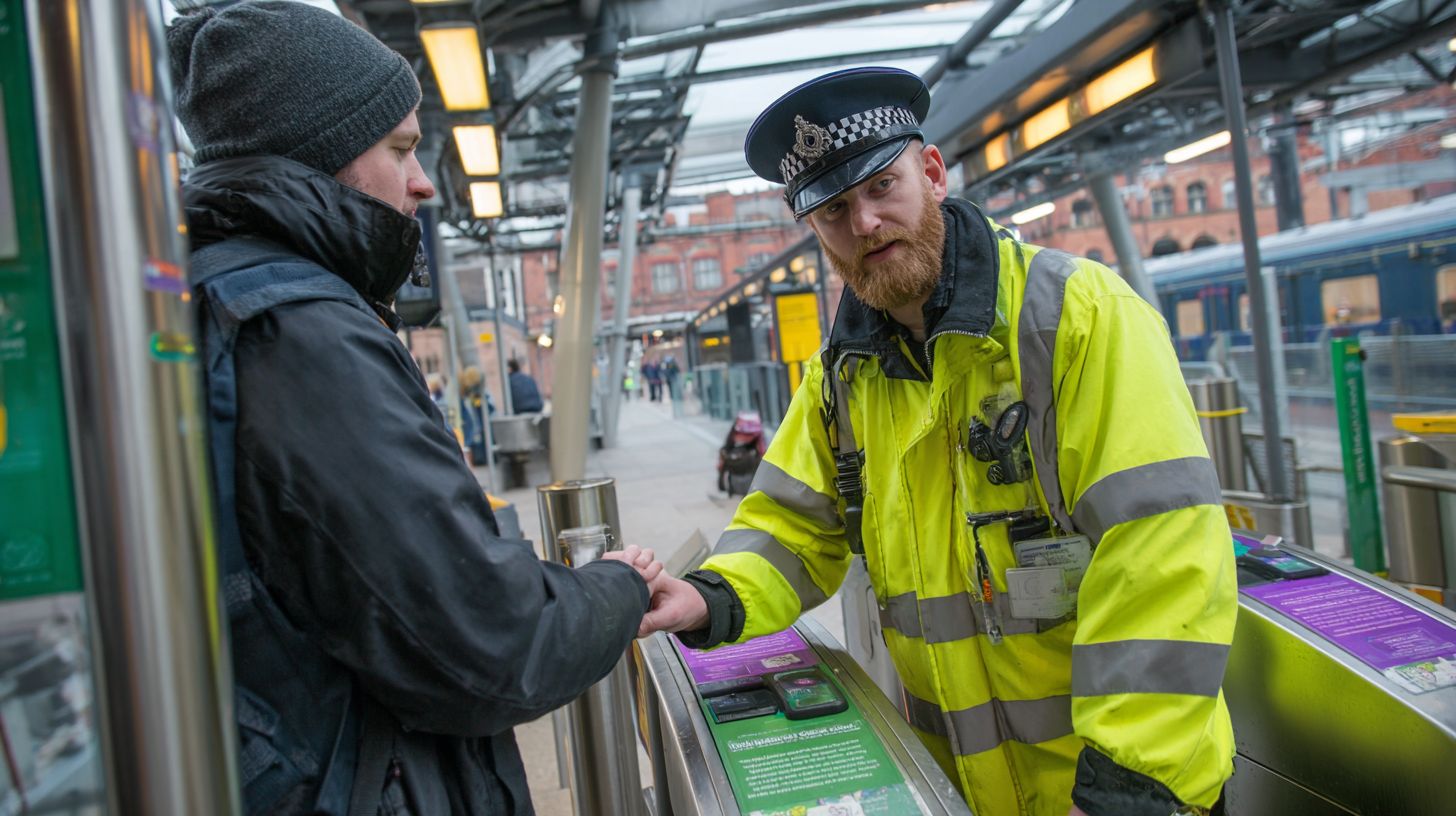
Freedom Pass misuse incurs specific penalty fares equivalent to full adult pay-as-you-go rates plus a £80 evasion charge. Transport for London enforces these for invalid ticket use on buses, the Tube, trains, trams, or DLR. Passengers caught with someone else’s pass face immediate charges at ticket barriers or by enforcement officers.
Normal fares apply based on journey type and zones travelled. The £ 80 added covers fare evasion detection. This total often exceeds the Oyster card daily cap, making penalties steep for commuters.
For multiple journeys, TfL issues separate Penalty Fare Notices per trip. Each requires payment within 21 days to avoid escalation. Always carry a valid photo ID to prove eligibility and challenge misuse claims.
| Journey Type | Normal Fare | Penalty Total |
|---|---|---|
| Zones 1-2 Tube | £2.80 | £82.80 |
| Bus Hopper | £1.75 | £81.75 |
| Zones 1-6 | £3.50 | £83.50 |
Compare these to the Oyster daily cap of £8.10 for zones 1-2. Using a stolen pass or lending yours risks confiscation and deactivation. Check TfL Penalty Fares Guide 2024 for full rules on public transport enforcement.
Further Enforcement Actions
Beyond immediate fines, TfL escalates repeat offenders to prosecution with potential criminal penalties. This process starts after a Penalty Fare Notice (PFN) goes unpaid. It aims to deter ongoing fare evasion on London’s public transport.
TfL reviews cases of Freedom Pass misuse, such as using someone else’s pass on the bus, tube, or train. Persistent violations trigger formal warnings. Failure to respond leads to court action under transport regulations.
Enforcement officers document incidents with CCTV evidence and witness statements. This builds a case for prosecution risks. Passengers caught multiple times face serious consequences, including bans from the network.
Experts recommend checking the pass eligibility rules on the official TfL website. Contact your local council for concessionary travel guidance. Avoid risks by using personal passes like an Oyster card or contactless payment.
Prosecution Risks
Repeat offenders face Magistrates’ Court prosecution under the Regulation of Railways Act with fines up to £1,000 plus costs. The process begins with PFN non-payment. TfL then issues a Single Justice Procedure Notice.
If ignored, a court summons follows. Hearings address invalid ticket use, like someone else’s Freedom Pass at ticket barriers. Penalties include a Level 3 fine of up to £1,000, similar to 3-6 endorsement points on a driving licence.
In a real 2022 Westminster Magistrates’ Court case, a serial Freedom Pass misuser received a £550 fine plus £650 costs. The CPS threshold often involves 3+ incidents. Ticket inspectors provide evidence from scanners and gates.
- Pay PFN promptly to avoid escalation.
- Appeal fines with proof of pass validity.
- Seek legal advice from Citizens Advice for first offences.
- Attend court or risk warrants.
Criminal Record Impact
Court convictions result in criminal records affecting employment, visa applications, and future TfL concessions. A fine-only conviction appears on DBS basic checks and Standard Criminal Record Certificates. This stems from the Rehabilitation of Offenders Act 1974.
For transport or security jobs, records flag fare evasion history. Immigration checks, like the US ESTA, have denied applicants over similar offences. Mortgage providers may scrutinise convictions during applications.
Convictions are spent after 5 years for adults with fine-only outcomes. Repeat Freedom Pass misuse worsens impacts. Always verify personal eligibility as a senior citizen or disabled person.
Practical steps include disclosing records honestly in job forms. Consult solicitors for mitigation in prosecution scenarios. Use forums like Reddit for shared commuter experiences, but rely on official TfL terms.
Long-Term Repercussions
Detected misuse of someone else’s Freedom Pass in London leads to permanent ineligibility for TfL concessions and potential borough-wide blacklistings. Transport for London treats such actions as fare evasion, often resulting in severe restrictions on public transport access. Passengers caught using a non-personal pass face ongoing scrutiny from enforcement teams.
A lifetime Freedom Pass ban is one key outcome, blocking future applications for senior or disabled concessions. This extends to 60+ Oyster ineligibility, preventing access to discounted travel on buses, the Tube, and trains. Users may also encounter address-flagged enforcement alerts, where TfL systems flag household details during ticket inspections.
- Borough council notification disrupts local concession schemes, halting renewals or replacements.
- Oyster and contactless payment restrictions limit daily caps and hopper fares across zones.
- Confiscation and deactivation of the pass occur immediately upon detection.
Appeals against these bans rarely succeed, with TfL FOI data from 2023 showing an 85% rejection rate. Precedents like the Visitor Oyster photocard lifetime ban highlight how misuse triggers permanent measures. Commuters should always carry a personal photo ID to avoid such risks on their journey.
How Detection Occurs

TfL employs multiple-layered detection systems to identify misuse of someone else’s Freedom Pass on London public transport. These methods target fare evasion by seniors and others using non-transferable concessionary passes. Passengers face checks at various points during their journey.
Photo recognition gates at stations like King’s Cross compare the user’s face to the pass holder’s image. Random inspections by enforcement officers occur on buses, tubes, and trains. CCTV footage and staff observations add further layers of scrutiny.
- Photo recognition gates: Automated barriers scan faces against the Freedom Pass photo ID, flagging mismatches at entry points.
- Random inspections: Ticket inspectors board services to validate passes, checking eligibility on the spot.
- CCTV and facial recognition: Trials at stations like Paddington use camera networks to monitor and match passengers.
- Data analytics: TfL reviews travel patterns for anomalies, such as unusual routes or times for a senior citizen pass.
- Staff witness statements: Guards and inspectors report suspicious activity, providing evidence for investigations.
- Chip and PIN validation: Smartcard readers detect tampering or invalid use at turnstiles and validators.
Evasion proves difficult due to these overlapping checks across the London Underground, Overground, DLR, buses, and trams. A commuter using a stolen pass from a 60+ household member risks immediate detection at a ticket barrier. TfL’s security measures ensure high enforcement rates, leading to fines or bans for misuse.
Notice: Informational Content Disclaimer
The content provided on this website, including articles, blog posts, and other informational materials, is intended for general informational purposes only. It is not intended as, and should not be considered, legal advice.
Visitors to this website should be aware that the information presented here is not a substitute for seeking legal advice from a qualified solicitor or legal professional. Each individual's legal situation is unique, and the information provided may not be applicable to specific circumstances.
If you require legal advice or have specific legal questions, we encourage you to contact us directly. Our experienced team of solicitors is here to assist you with your legal needs and provide tailored advice to address your concerns.
Please be advised that any communication through this website, including the use of contact forms or email, does not create a solicitor-client relationship. Confidential or time-sensitive information should not be sent through this website. To establish a solicitor-client relationship and discuss your legal matters in detail, please contact us for a consultation.
We strive to provide accurate and up-to-date information, but we make no representations or warranties regarding the accuracy, completeness, or suitability of the information contained on this website. We shall not be liable for any reliance placed on the information provided herein.
Thank you for visiting our website. We look forward to the opportunity to assist you with your legal needs.