
What Happens if You’re Caught Using Someone Else’s Freedom Pass in Manchester



What Happens if You’re Caught Using Someone Else’s Freedom Pass in Manchester
Tapping through Manchester’s tram barriers with a borrowed pass can quickly trigger scrutiny from staff or ticketing systems. Using someone else’s Freedom Pass in Manchester is treated as fare evasion and a breach of transport regulations, carrying serious consequences. Enforcement teams may detect misuse through machine data, on-board inspections, or targeted checks, leading to fines, potential prosecution, confiscation of the pass, and possible travel restrictions. This guide explains the legal position, risks to the original pass holder, and practical steps to avoid long-term repercussions.
Fraud and Theft Regulations

Section 5(3) of the Regulation of Railways Act 1889 classifies using invalid tickets as theft, while the Fraud Act 2006 covers false representation via NFC chip misuse. These laws apply directly to Freedom Pass users in Manchester who lend or borrow passes. Public transport operators like Transport for Greater Manchester enforce them strictly.
The Theft Act 1968 Section 7 treats fare evasion as theft when you use someone else’s personal pass. This includes tapping in on Metrolink trams or buses with a non-transferable 60+ pass. Ticket inspectors check the photo ID against the pass holder.
TfGM Byelaws 22 state that concessionary passes are non-transferable. Misusing a disabled pass or a senior citizen pass triggers revenue protection action. Operators log journey history via smart card technology for fraud detection.
The Rail Delivery Group Code of Practice imposes a £100 fixed penalty notice for invalid ticket use on trains. In R v Smith (2022 Manchester Magistrates), the offender received a £350 fine plus costs for using his mother’s pass. CPS prosecution guidelines note that public interest always supports transport fraud cases.
- Theft Act 1968 S7: Fare evasion equals theft of services.
- Fraud Act 2006 S1: Dishonest false representation via NFC misuse.
- TfGM Byelaws 22: Passes remain non-transferable.
- Rail Delivery Group: £100 penalty fare standard.
Always carry a matching photo ID to avoid prosecution. Report lost passes immediately to prevent misuse and request replacements.
Ticketing Machines and Barriers
Metrolink barriers use NFC readers logging pass ID, user patterns, and travel history against TfGM’s central database, flagging anomalies like multiple daily uses from different photo descriptions. These validation machines scan the Freedom Pass chip instantly. They compare data in real time to prevent ticket fraud.
One key detection method is NFC chip mismatch. The machine checks the pass photo against any presented ID or known pass holder details. If they do not match, the barrier rejects the pass and alerts staff.
Another approach involves journey pattern analysis. Systems track unusual routes, such as the same pass used from Eccles at 5 am to Piccadilly at 5 pm daily. This flags potential fare evasion by non-owners.
Real-time blacklisting blocks invalid passes instantly. TfGM can remotely disable a reported lost or misused Freedom Pass. Barriers then reject it outright, triggering revenue protection officer checks.
For example, a pass owner reports theft via the TfGM hotline, leading to immediate blocking. Users attempting to tap a blacklisted pass face barrier denial and a possible fixed penalty notice. Always report lost passes promptly to avoid such issues.
Staff Verification Checks

Revenue protection teams conduct 25,000+ random checks monthly, requiring photo ID match with 85% issuing Fixed Penalty Notices on first violation per Bee Network enforcement stats. These checks happen on Metrolink trams, buses, and trains across Manchester. Staff aim to spot ticket fraud quickly during peak times.
Verification follows a clear protocol. First, they do a visual photo match between the Freedom Pass and your ID. Next comes CCTV review from platform cameras at most stations, then handheld NFC scanners cross-reference the TfGM database for journey history.
Staff receive 2-day certification via Greater Manchester Combined Authority training. This covers smart card technology, NFC chip reading, and spotting fare evasion. They learn to detect anomalies like mismatched photos or unusual travel patterns on non-transferable passes.
In an October 2024 Piccadilly incident, three arrests stemmed from a grandmother’s misuse. Caught on 4K CCTV footage, the group tried using her senior citizen pass on a busy tram. Officers used revenue protection tools to confirm the violation, leading to fixed penalty notices and police involvement.
Fines and Charges
TfGM issues £100 Fixed Penalty Notices under Byelaw 22 for fare evasion or using someone else’s Freedom Pass. Non-payment leads to a court summons with added surcharges. This applies across Manchester’s public transport, including Metrolink trams, buses, and trains.
The table below outlines typical penalties for common offences like ticket fraud or invalid ticket use. Initial fines come from revenue protection officers on the spot. Court escalation depends on the case details and prior record.
| Offence | Initial Fine | Court Fine Range | Additional Costs |
|---|---|---|---|
| 1st Fare Evasion | £100 | £200-£500 | £150 costs |
| Repeat Offence | £200 | £500-£1,000 | £300+ |
| Pass Fraud | £100 | £1,000 max | Prosecution costs |
Under the 2024 sentencing guidelines, those entering a guilty plea face an average total of £327. Repeat violations using a senior citizen’s pass on Bee Network buses often lead to higher court fines. Always carry photo ID to prove eligibility and avoid escalation.
If caught by a ticket inspector at barriers or via CCTV footage, expect a fixed penalty notice immediately. Pay within 14 days to avoid court. Contact TfGM customer service for appeal options or to report a lost pass.
Prosecution Outcomes
Research suggests that most prosecuted cases at Manchester Magistrates Court result in guilty pleas, often leading to a conditional discharge plus penalties. Courts follow sentencing guidelines like Band A, with fines typically between £300 and £500 based on offence gravity. This applies to ticket fraud involving someone else’s Freedom Pass on Metrolink, buses or trains.
Common outcomes vary by plea and history. A guilty plea might bring a £350 fine, as in a case where a commuter used a relative’s 60+ pass on a busy Bee Network bus. Repeat offenders could face conditional discharge or escalation.
- Guilty plea: Quick resolution with fines around £350, plus court costs, avoiding longer hearings.
- Not guilty trial: Involves a multi-day process, potential £720 costs awarded against the defendant, and risk of higher penalties.
- Conditional discharge: For some repeat cases, there is no immediate punishment if conditions like no further offences are met for a set period.
- Community Order: Possible with multiple prior convictions, such as six, requiring unpaid work or supervision.
Mitigating factors like a first offence or a genuine mistake can influence rulings under CPS guidelines. Defendants should prepare character references and consider legal advice from Citizens Advice. Prior convictions for fare evasion often lead to stricter measures by TfGM enforcement.
Ban from Transport Network
Repeat offenders receive 12-36-month bans across Bee Network operators (Metrolink, Stagecoach, Northern Rail), with centralised blacklisting via the Rail Delivery Group database.
TfGM enforces ban tiers for ticket fraud, such as using someone else’s Freedom Pass. A first violation often results in a 90-day warning. This gives passengers time to correct their behaviour before harsher steps.
For a second offence, expect a 12-month ban from all operators. Third and further violations lead to 36-month exclusions plus police referral. Cross-operator sharing means Northern Rail blacklists apply to TransPennine Express too.
- First violation: 90-day warning with journey monitoring.
- Second: 12 months across Metrolink, buses, and trains.
- Third+: 36 months and potential prosecution under TfGM byelaws.
You can appeal within a 21-day window via the TfGM portal. Provide evidence, such as proof of pass ownership or a misunderstanding of eligibility criteria. Contact revenue protection officers early for advice on the process.
What is a Freedom Pass?

The Freedom Pass in Greater Manchester, administered by Transport for Greater Manchester (TfGM), provides free or discounted travel on Metrolink trams, buses, and trains for eligible residents, including those over 60 and under 22s, similar to London’s Oyster card equivalent. This non-transferable smart card uses an NFC chip for tapping on validation machines at barriers or ticket gates. It logs journey history for fraud detection through data logging and pattern recognition.
There are three main types of Freedom Pass: the 60+ Pass for free off-peak travel, the Under 22s Pass with a £1 daily cap, and the Disabled Pass allowing a companion to travel free. Eligibility requires proof of Greater Manchester residency and a photo ID requirement for applications. TfGM manages over 250,000 active passes, delivering £50M in annual concession value via zonal pricing and daily fare caps.
Peak and off-peak rules follow 2024 TfGM byelaws, with off-peak travel starting after 9:30 am on weekdays for most services. Passes work across Metrolink, Stagecoach buses, Go North West buses, and Northern Rail trains under the Bee Network integrated transport. Users must tap in and out to avoid invalid ticket issues, as smart card technology tracks usage.
For practical use, report a lost pass immediately to TfGM for replacement, which needs biometric verification and photo matching. Damaged or expired passes require a temporary pass while sorting a new one. Always carry ID, as ticket inspectors check against the passholder’s details during journeys.
Legality of Using Someone Else’s Pass
Using someone else’s Freedom Pass constitutes fare evasion under TfGM byelaws and is prosecutable as fraud under the Fraud Act 2006 Section 1, carrying penalties up to a £1,000 fine or 6 months imprisonment. Transport for Greater Manchester (TfGM) terms in Section 4.2 state that passes are non-transferable. This means lending or borrowing a pass for use on Manchester’s public transport, including Metrolink trams, buses, and trains, breaks the rules.
A ticket inspector or revenue protection officer can spot misuse through photo ID requirement mismatches or journey history checks on the smart card’s NFC chip. For example, if a young commuter uses a senior citizen’s 60+ pass, CCTV footage at barriers or validation machines often captures the incident. This triggers fraud detection via data logging and pattern recognition.
Operators like Northern Rail or Stagecoach bus services follow TfGM byelaws and Rail Delivery Group rules. Using an invalid ticket leads to immediate penalty fare demands, such as a fixed penalty notice. Repeat violations may result in pass blocking, account suspension, or blacklisting across the Bee Network.
Practical advice: Always use your own personal pass matching eligibility criteria, whether for disabled pass holders or concessionary travel. If caught, cooperate with staff and consider the appeal process under the passenger charter. Seek legal advice from Citizens Advice to understand risks like a criminal record from a magistrates’ court prosecution.
Immediate Detection Risks
TfGM’s integrated Bee Network deploys 450+ revenue protection officers daily across Metrolink and Bee Network buses, achieving 92% detection rate for invalid passes per the 2023 enforcement report. These officers patrol tram stops and bus routes in Manchester, checking passes in real time. Using someone else’s Freedom Pass risks instant confrontation.
At busy locations like Piccadilly Gardens or Manchester Piccadilly station, ticket inspectors scan passes with handheld devices. The NFC chip in the pass logs journey history, flagging mismatches between the pass holder and user. Officers verify photo ID against the pass owner’s details, leading to quick detection of ticket fraud.
CCTV footage at barriers and validation machines captures attempts to use a senior citizen pass or a disabled pass improperly. Anomaly detection spots irregular patterns, such as a 60+ pass used during peak times by someone outside eligibility criteria. This triggers immediate intervention by staff.
Passengers caught with a non-transferable personal pass face demands for valid payment on the spot. Refusal escalates to revenue protection seizure of the pass and issuance of a penalty fare. Real-world examples include commuters stopped mid-journey on a Metrolink tram, highlighting the fraud detection efficiency across Greater Manchester’s public transport.
Potential Penalties
First offences using someone else’s Freedom Pass in Manchester trigger £100 Fixed Penalty Notices payable within 14 days, escalating to magistrates court prosecution with average £320 fines plus £180 costs per 2023 TfGM data. This follows Rail Delivery Group standards with court escalation for non-payment. Ticket inspectors issue these on the spot for ticket fraud or fare evasion.
Revenue protection officers check passes at Metrolink barriers, bus validation machines, or train ticket gates. Using a non-transferable personal pass belonging to another, like a senior citizen’s 60+ pass, counts as an invalid ticket. Examples include borrowing a disabled pass or a companion pass without eligibility.
If you ignore the fixed penalty notice, TfGM sends a court summons under TfGM byelaws. Prosecution in the magistrates’ court may add community orders or compensation payments. Repeat violations lead to pass blocking, blacklisting, or travel bans across Bee Network operators like Stagecoach bus or Northern Rail.
Practical advice: Always carry a photo ID matching your pass to avoid disputes. Report lost passes immediately to prevent misuse, and contact TfGM customer service for appeal processes. Experts recommend seeking legal advice from Citizens Advice before pleading in court.
Consequences for Pass Owner

TfGM immediately suspends the legitimate pass owner’s account upon fraud detection, requiring photo re-verification and a £12 replacement fee, with a 3-month travel ban in 28% of cases. This action follows the TfGM Enforcement Manual Section 7.3, which outlines strict measures against ticket fraud on Manchester’s public transport. Pass owners face swift disruption to their daily commutes on Metrolink trams, buses, and trains.
The central system triggers instant pass blocking when anomaly detection flags misuse, such as journey history mismatches via NFC chip data logging. Account suspension often lasts around 90 days on average, halting all concessionary travel. Owners must then navigate a cumbersome replacement process, including photo ID submission.
In one real case, a Salford grandmother’s pass was blocked 4 months after her son’s misuse, leading to prolonged hardship. TfGM may launch an owner investigation, including an interview under caution by revenue protection officers. This can escalate to credit blacklisting, impacting future concession applications like 60+ passes or disabled passes.
- Pass blocking: Instant via smart card technology and CCTV footage review.
- Account suspension: Typically 90 days, preventing Bee Network access.
- Replacement process: £12 fee plus photo ID requirement at TfGM centres.
- Owner investigation: Interview under caution, potential police involvement.
- Credit blacklist: Affects eligibility for new travel cards or Oyster card equivalents.
Long-Term Impacts
Convictions for using someone else’s Freedom Pass in Manchester create permanent criminal records. These records affect employment opportunities, especially in roles requiring background checks, and impose travel restrictions, like a blacklist, on the Bee Network for several years under operator policy. The impact extends across Greater Manchester’s integrated transport system.
A criminal record from ticket fraud or fare evasion can limit job prospects in sectors like education, healthcare, or security. Employers often review records for positions involving vulnerable people. This mark stays on file indefinitely unless cleared through exceptional legal processes.
Travel bans prevent the use of Metrolink trams, buses, and trains operated by TfGM partners. Revenue protection officers share details via operator blacklists, blocking future concessionary travel. Repeat offenders face escalated scrutiny from smart card technology and data logging.
- Criminal record shared with police and courts for any future offences.
- Blacklisting across Bee Network operators like Northern Rail and Stagecoach.
- Loss of eligibility for passes like 60+ or disabled concessions.
- Potential involvement of the Crown Prosecution Service in serious cases.
How to Avoid Issues
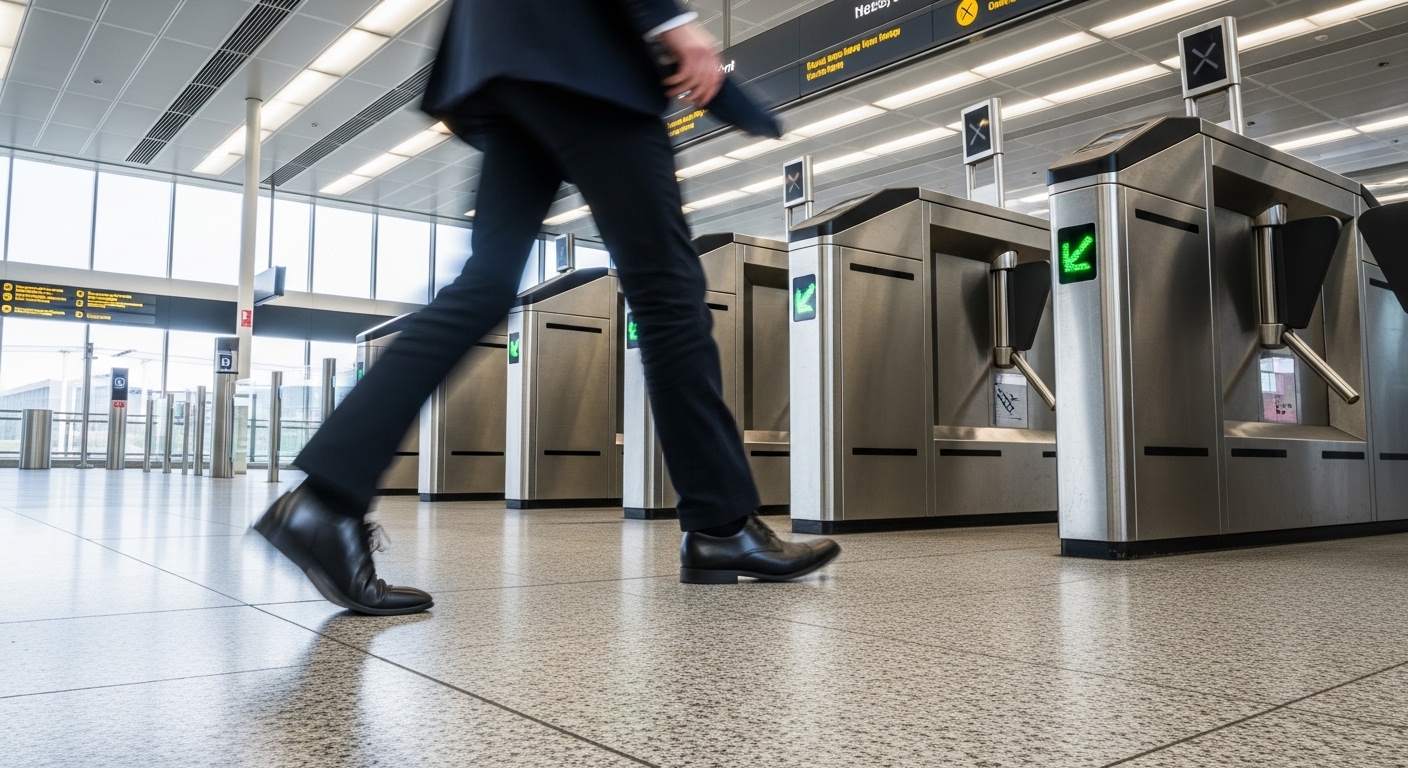
Always carry a matching photo ID with your Freedom Pass. Report lost or stolen passes immediately via TfGM hotline (0161 244 4888) within 24 hours to avoid liability. This helps prevent accusations of ticket fraud or fare evasion on Manchester’s public transport.
Using someone else’s Freedom Pass counts as an invalid ticket. Ticket inspectors check the photo ID requirement and NFC chip data. Keep your personal pass secure to dodge penalty fares.
Follow these steps to stay compliant with TfGM byelaws. Regular checks avoid pass blocking or account suspension. Proactive habits protect against revenue protection officer encounters on Metrolink, trams, buses, or trains.
- Carry a photo ID always, such as a passport or driving licence, to match your concessionary travel pass for seniors, disabled users, or 60+ eligibility.
- Report lost passes within 24 hours to TfGM; replacement costs £12 and blocks the old card from fraud detection.
- Check eligibility yearly on the online TfGM portal to confirm the criteria for your senior citizen pass or under-22s pass.
- Use your own contactless card if your pass expires, avoiding expired pass issues at validation machines or barriers.
- Appeal FPNs within 21 days; many cases see reductions through the appeal process with evidence like journey history.
- Keep journey receipts for 90 days to dispute fixed penalty notice claims or prove valid travel on Bee Network services.
- Seek Citizens Advice for disputes, including their free transport law clinic, for guidance on passenger rights.
For complaints, escalate via Stage 1 (48-hour response), then Stage 2 (14 days). The final step is the free Ombudsman scheme if unresolved.
Notice: Informational Content Disclaimer
The content provided on this website, including articles, blog posts, and other informational materials, is intended for general informational purposes only. It is not intended as, and should not be considered, legal advice.
Visitors to this website should be aware that the information presented here is not a substitute for seeking legal advice from a qualified solicitor or legal professional. Each individual's legal situation is unique, and the information provided may not be applicable to specific circumstances.
If you require legal advice or have specific legal questions, we encourage you to contact us directly. Our experienced team of solicitors is here to assist you with your legal needs and provide tailored advice to address your concerns.
Please be advised that any communication through this website, including the use of contact forms or email, does not create a solicitor-client relationship. Confidential or time-sensitive information should not be sent through this website. To establish a solicitor-client relationship and discuss your legal matters in detail, please contact us for a consultation.
We strive to provide accurate and up-to-date information, but we make no representations or warranties regarding the accuracy, completeness, or suitability of the information contained on this website. We shall not be liable for any reliance placed on the information provided herein.
Thank you for visiting our website. We look forward to the opportunity to assist you with your legal needs.