
What Happens if You Don’t Pay a Train Ticket in Birmingham



What Happens if You Don’t Pay a Train Ticket in Birmingham
Boarding a Birmingham train without a valid ticket can quickly escalate from a routine inspection to formal enforcement action. If you’re wondering what happens if you don’t pay a train ticket in Birmingham, the consequences can include a £100 penalty notice, investigation under the West Midlands Railway Byelaws, and treatment as fare evasion. In more serious cases, operators may issue a Single Justice Procedure Notice, leading to court proceedings, higher fines, and the risk of a criminal record. Understanding the process early can help you avoid long-term consequences.
Legal Framework for Fare Evasion in Birmingham
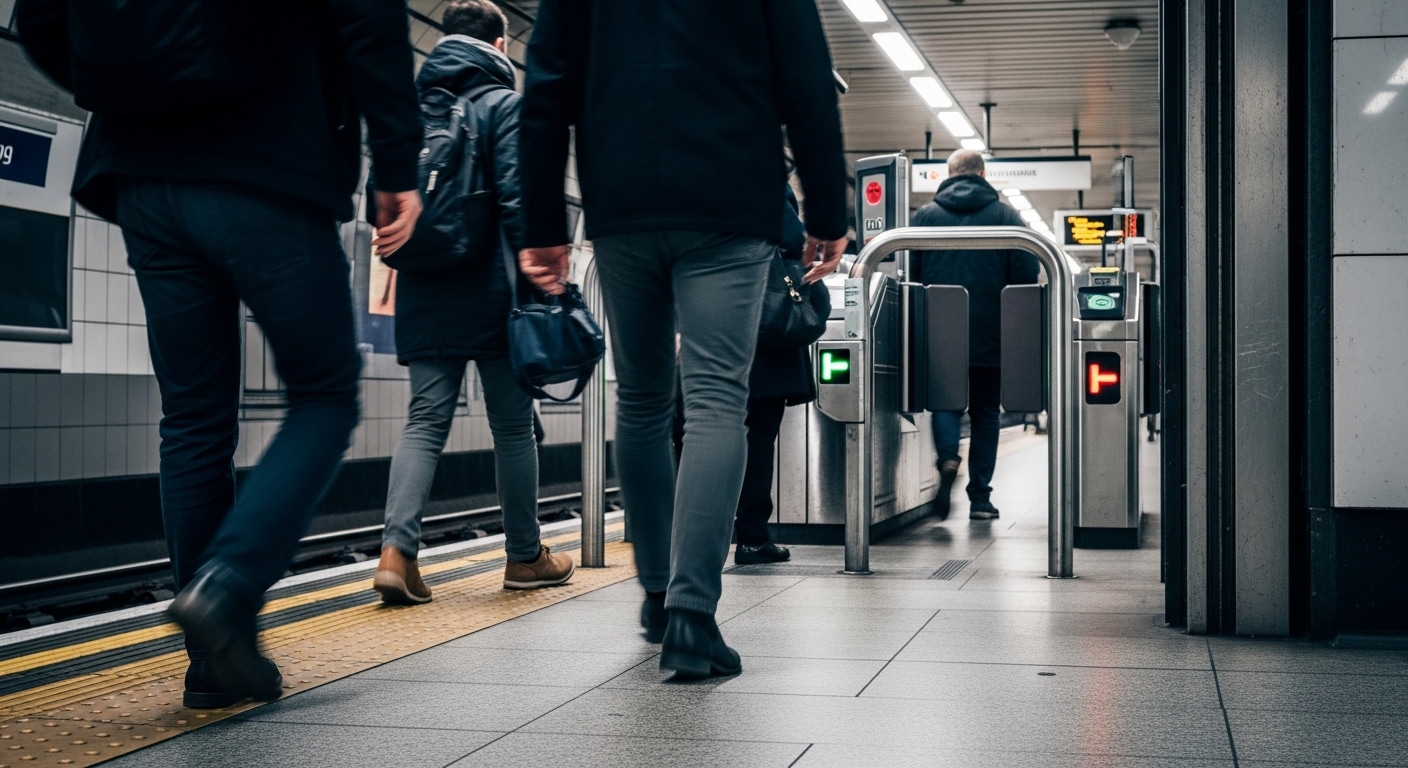
Birmingham’s rail network operates under strict West Midlands Trains Byelaws and the Regulation of Railways Act 1889, making ticketless travel a criminal offence punishable by fines up to £1,000. These rules apply across key stations like Birmingham New Street, Snow Hill, and Moor Street, covering operators such as West Midlands Trains, Chiltern Railways, and CrossCountry. They treat fare evasion as a strict liability offence, meaning intent is not required for prosecution.
The Single Justice Procedure streamlines most cases, allowing magistrates to handle them on paper without a full hearing. This covers services on over 150 daily routes serving hundreds of thousands of weekly passengers. Station staff, ticket inspectors, and revenue protection officers enforce these rules during peak hours and events.
Failing to pay leads to a fixed penalty notice or court summons, with risks of a criminal record for repeat offenders. Practical advice includes always carrying a valid ticket, such as a contactless payment or e-ticket, and checking zone boundaries, like Birmingham to Solihull. British Transport Police may get involved for barrier evasion or onboard checks.
Prosecutions can escalate to community orders or rare prison sentences for persistent fare dodging. Experts recommend immediate payment to avoid legal costs and credit score impacts from unpaid fines. Use ticket machines, apps, or offices to validate travel and prevent issues.
West Midlands Trains Byelaws
West Midlands Trains Byelaw 20(1) explicitly prohibits entering paid areas without a valid ticket, enforced across Birmingham New Street (42 platforms), Snow Hill, and Moor Street stations. It states: No person shall enter any train for the purpose of travel without a valid ticket entitling them to do so. Violations trigger action by guards or revenue protection officers.
Common breaches include
- barrier evasion by tailgating through ticket barriers,
- lack of a platform ticket in restricted zones,
- invalid Oyster or contactless payment,
- expired season ticket,
- zone boundary crossing without a proper fare, such as Birmingham to Solihull.
Enforcement follows a clear penalty structure, as shown below.
| Offence Type | Penalty |
|---|---|
| First offence | £100 fixed penalty notice (FPN), payable within 21 days |
| Repeat offence | £200+ via magistrates court, plus costs |
| Non-payment | Court summons, potential arrest warrant |
For example, a commuter caught without a ticket on the Coventry line might receive an FPN on the spot. Always keep receipts or bank statements as evidence of purchase. Mitigation, such as a first offence status, can reduce fines through voluntary payment or instalment plans.
Single Justice Procedure Notices (SJPN)
The Single Justice Procedure handles most railway fare evasion cases, allowing guilty pleas by post without a court appearance for offences under £1,000. You receive an SJPN within 21 days of the incident, detailing the unpaid fare and evidence like CCTV or body cam footage. Respond promptly to avoid escalation.
The process offers three options:
- Plead guilty and pay online or by post,
- Submit a not guilty plea for court,
- Request more time if hardship applies.
Fines range from £200 to £1,000, plus a £154 victim surcharge and costs. Ignoring it leads to an arrest warrant and potential home visits by enforcement officers.
Consider a real case: a Birmingham passenger evading a £5.90 New Street to Coventry fare faced a total £620 bill after SJPN. Practical steps include checking journey details, providing a good character reference, or applying for a fine reduction. Seek advice from Citizens Advice for low-income support or legal aid.
Appeal via mitigation, such as proof of purchase attempt or disability discount eligibility. Repeat offenders risk criminal conviction, affecting travel and jobs. Pay via online portal, phone, Post Office, or instalments to halt collection agencies and bailiffs.
Immediate Consequences on the Spot

Revenue Protection Officers (RPOs) conduct ticket checks across West Midlands services, often during random inspections at peak times like 7-9 am and 4-7 pm. These checks happen on trains, at ticket barriers, and during onboard sweeps, especially at busy spots like Birmingham New Street. Staff may allow retrospective purchases or escalate to penalties for ticketless travel.
Barrier evasion attempts trigger immediate staff attention, with guards or station staff intervening quickly. Onboard checks catch fare dodgers mid-journey, leading to warnings or detention. British Transport Police get called in on serious cases involving fare evasion.
Birmingham New Street handles the highest volume of these interventions due to its size and commuter traffic. Peak enforcement ramps up on event days at the NEC, like concerts or football matches. Always carry a valid ticket, such as a digital e-ticket or contactless payment, to avoid hassle.
If caught without a ticket, cooperate with the ticket inspector or guard. Provide journey details promptly to explore options like excess fare payment. Non-compliance risks an Unpaid Fare Notice or police involvement right away.
Staff Intervention and Warnings
Train guards and RPOs issue verbal warnings to first-time offenders if the journey costs under £10 and the passenger cooperates, following West Midlands Trains policy. This allows retrospective ticket purchase in many cases. Staff assess behaviour and ticket history on the spot.
Escalation follows a clear ladder: first, a verbal warning with a purchase option; next, an excess fare of £20 plus the journey cost; then, an Unpaid Fare Notice if you refuse. For example, a Birmingham-Solihull commuter might pay £8.60 excess instead of facing a £100 penalty fare notice.
Peak enforcement on NEC event days leads to higher penalty rates due to crowds. Chiltern Railways and CrossCountry staff enforce strict rules during concerts or football travel. Carry evidence like a bank statement or receipt to show good faith.
To avoid issues, buy tickets via ticket machines, online booking, or the ticket office before boarding. Use a season ticket or a railcard for commuters. Staff discretion applies, but repeat offenders face tougher measures from West Midlands Railway or Avanti West Coast.
Detention and Police Involvement
British Transport Police (BTP) detain passengers for evasion with aggravating factors like abuse or intoxication, leading to further action in some cases. Triggers include repeat offenders with prior notices, fares over £20, aggressive behaviour, or black market tickets. RPOs escort individuals to a platform office while waiting for police.
BTP response time averages 8-15 minutes in Birmingham areas like New Street or Moor Street. A real case saw a Moor Street passenger held for 45 minutes, receiving a £100 fine and a BTP caution. CCTV evidence and bodycam footage support these incidents.
The procedure involves station CCTV review and witness statements from guards. Fare evasion counts as a Byelaws offence under the Regulation of Railways Act. Cooperation can lead to no further action or a warning letter instead of prosecution.
Prevent this by validating tickets at machines or using pay-as-you-go options. If detained, stay calm and note details for any appeal process. Contact Transport for West Midlands for integrated ticket advice to cover trams or buses too.
Formal Penalty Notices
Penalty Fare Notices start at £100 (double standard fare minimum), issued to most detected evaders who don’t qualify for excess fare. These are formal yellow receipts handed out by trained revenue protection officers (RPOs) under Railway Byelaws. They apply to services like CrossCountry, Chiltern, and West Midlands Railway from Birmingham, and remain valid for 21 days.
Non-payment leads to the Single Justice Procedure, where magistrates handle cases without a full hearing. Officers issue these during ticket checks at Birmingham New Street, Snow Hill, or Moor Street. Evaders caught at ticket barriers or onboard face immediate notices with journey details.
These notices cover ticketless travel or invalid tickets, such as using an expired railcard or barrier evasion. RPOs use validation machines to confirm fares. Repeat offenders risk escalation to prosecution under the Regulation of Railways Act.
Passengers receive a PNUM reference number for tracking payments. Evidence like body cam footage or station CCTV supports issuance. Always check for a valid ticket before boarding to avoid these formal penalties.
£100 Fixed Penalty Notice (FPN)
Standard £100 FPN applies to journeys valued at £4.90 to £49.90; higher values trigger court per West Midlands Trains tariff. This fixed penalty acts as an alternative to prosecution for fare evasion. Officers issue it on the spot during random inspections or at ticket barriers.
| Journey Value | Penalty | Example |
|---|---|---|
| £0 – £4.90 | £50 | Solihull local trip |
| £5 – £9.90 | £100 | Birmingham to Snow Hill |
| £10 – £19.90 | £150 | To the NEC station |
| £20+ | Prosecution | Coventry line |
The receipt includes the PNUM reference, issuing officer’s badge number, like 4521, and validation machine codes. Keep the yellow notice safe, as photos showing it with ID may help appeals. Invalid e-tickets or unswiped contactless payments often lead to these fines.
For West Midlands Railway or Chiltern services, tariffs align with zonal pricing from Birmingham boundaries. Higher fares, like to Wolverhampton, push cases to the magistrates’ court. Contact the train operator promptly if you believe it’s an error.
Payment Deadlines and Reductions
Pay within 21 days for 50% reduction (£100 to £50); after 21 days full £100 plus a £40 late fee. Missing deadlines escalates to a court summons via the Single Justice Procedure. Early payment avoids legal costs and potential criminal records.
Use these five methods to settle fixed penalty notices:
- Online portal with a reference like PNUM123456.
- Phone line at 0333 202 4888 for card payments.
- Post Office via Payzone with the yellow receipt.
- Bank transfer using sort code 12-34-56.
- Instalment plans over six payments in approved cases.
For example, a £100 fine paid on day 15 via app drops to £50. Late payments after 42 days add admin fees and risk of collection agencies. Hardship applications may allow reductions for first offences.
Track your payment deadline from the notice date. Post-43 days, expect field officers or bailiff visits. Appeals for mitigation, like evidence of purchase attempts, go through the train operator first.
Court Proceedings if Unpaid

Unpaid fixed penalty notices automatically trigger prosecution via the Single Justice Procedure. This happens after the 28-day final notice expires. Birmingham magistrates’ courts handle these rail cases from operators like West Midlands Trains and Chiltern Railways.
Defendants receive a Single Justice Procedure Notice by second-class post. It lists the unpaid fare evasion fine, plus average legal costs of around £180 and a victim surcharge of 10% of the fine. Failing to respond leads to a conviction without a hearing.
For ticketless travel at Birmingham New Street or Snow Hill, expect escalation to the magistrates’ court. Provide evidence, like a bank statement or e-ticket receipt, to challenge. Repeat offenders face higher penalties under Railway Byelaws.
Practical steps include checking the post promptly and entering a plea. Contact the train operator’s online payment portal for instalments. Seek advice from the Citizens Advice Bureau on mitigation for first offences.
Prosecution Process
Process timeline: FPN plus 28 days leads to final demand, then Day 42 issues the SJPN, with Day 60 setting a court date or postal plea deadline. Non-payment of the penalty fare notice gets logged quickly. This affects fares from CrossCountry or Avanti West Coast services.
- Non-payment is logged in the train operator database, flagging you as a fare dodger.
- Debt collectors like Lowell or HOA send notice, taking 10% commission on recovery.
- SJPN posted recorded delivery, detailing the £100 fine plus costs for barrier evasion or platform ticket issues.
- Respond within 14 days with three plea options: guilty, not guilty, or no plea.
- Guilty plea triggers immediate fine order; not guilty sets trial at Birmingham court with revenue protection officer witness and CCTV evidence.
Many pay after receiving the SJPN to avoid court. Gather journey details like peak off-peak times or railcard proof. Use solicitor representation for not guilty pleas involving body cam footage.
At trial, expect British Transport Police statements and onboard CCTV. Mitigation, such as good character references, helps with first-time unlawful fare evasion. Apply for hardship reduction or instalment plans via the court.
Potential Penalties and Fines
Magistrates’ maximum penalty is £1,000 + 3 months’ imprisonment for persistent evasion under Railway Byelaws. Fines follow Band A-C based on income via Sentencing Council guidelines. An average Birmingham rail fine totals £248, covering the fine, costs, and surcharge.
Imprisonment remains rare for unpaid train ticket cases. Most are resolved with payment before court. Ticketless travel on services like West Midlands Trains or CrossCountry triggers these penalties.
Operators issue a fixed penalty notice first, often £100. Non-payment leads to a court summons via the single justice procedure. Repeat fare evasion escalates risks, including a criminal record.
Pay promptly within 21 days to avoid prosecution. Contact the train operator or British Transport Police for options. Mitigation, like proof of purchase, can reduce outcomes.
Maximum Magistrates’ Court Fine
Statutory maximum £1,000 fine + £154 victim surcharge + £180 costs equals £1,334 total exposure. Courts apply fine banding from the Sentencing Council guidelines based on culpability and income. Lower bands suit first offences with genuine mistakes.
| Fine Band | Culpability/Income Level | Typical Fine |
|---|---|---|
| Band A | Low culpability/low income | £200 |
| Band B | Medium culpability/medium income | £500 |
| Band C | High culpability/high income | £1,000 |
Real examples show variation. A first offence from Birmingham to Wolverhampton (£15 fare) resulted in £265 total. A repeat at the NEC event (£28 fare) reached £720.
Courts set payment orders over 6 months or via income deduction. Defaulting risks 7 days’ imprisonment per £120 unpaid. Seek hardship application or instalments early to manage.
Long-Term Impacts

Railway Byelaws convictions create disclosable criminal records that can affect job applications requiring DBS basic checks. If you ignore a court summons for an unpaid train ticket fine in Birmingham, it escalates to a County Court Judgment after 30 days. This CCJ appears on your credit file for six years, complicating finances.
Employment in security or transport sectors often flags these records during vetting, such as roles with West Midlands Trains or British Transport Police. Mortgages become harder to secure as lenders view CCJs as high risk. Insurance premiums may rise due to perceived unreliability.
For repeat fare evasion at Birmingham New Street or Snow Hill, escalation leads to civil debt collection, bailiffs, or even asset seizure. Experts recommend paying fixed penalty notices within 21 days to avoid court. Contactless payment or online portals help settle quickly.
Long-term, a conviction under Railway Byelaws limits options like council housing or airport jobs. Seek mitigation early with character references. Hardship applications can reduce fines for first offences.
Criminal Record Effects
Byelaws convictions are classified as recordable offences on the Police National Computer, disclosable for several years under standard guidelines. A magistrates’ court ruling for ticketless travel on CrossCountry or Chiltern Railways stays on your record. This impacts background checks by employers or landlords.
Employment suffers most in the transport and security fields, where revenue protection officers or guards review histories. Housing applications for council tenancies in Birmingham trigger record scrutiny. Credit scores drop sharply from unpaid CCJs, blocking loans or rentals.
- Transport jobs often reject candidates with fare evasion convictions.
- Council reviews may deny tenancies based on court records.
- Airport security roles prohibit such histories outright.
- Travel bans or restrictions follow for repeat offenders.
Mitigate by pleading guilty early, paying fines immediately via instalment plans, and submitting character references. Gather evidence like bank statements for retrospective purchases. Consult Citizens Advice for court prep or solicitor options.
Notice: Informational Content Disclaimer
The content provided on this website, including articles, blog posts, and other informational materials, is intended for general informational purposes only. It is not intended as, and should not be considered, legal advice.
Visitors to this website should be aware that the information presented here is not a substitute for seeking legal advice from a qualified solicitor or legal professional. Each individual's legal situation is unique, and the information provided may not be applicable to specific circumstances.
If you require legal advice or have specific legal questions, we encourage you to contact us directly. Our experienced team of solicitors is here to assist you with your legal needs and provide tailored advice to address your concerns.
Please be advised that any communication through this website, including the use of contact forms or email, does not create a solicitor-client relationship. Confidential or time-sensitive information should not be sent through this website. To establish a solicitor-client relationship and discuss your legal matters in detail, please contact us for a consultation.
We strive to provide accurate and up-to-date information, but we make no representations or warranties regarding the accuracy, completeness, or suitability of the information contained on this website. We shall not be liable for any reliance placed on the information provided herein.
Thank you for visiting our website. We look forward to the opportunity to assist you with your legal needs.