

Skipping payment on a Nottingham tram or bus can trigger far more than an awkward exchange with an inspector. If you are wondering what happens if you don’t pay on Nottingham transport, enforcement can begin with a penalty notice and escalate to a Single Justice Procedure if the issue is not resolved. Non-payment is treated as fare evasion and may lead to increased fines, formal court proceedings, and, in some cases, a criminal record. This guide explains the types of violations, how penalties are calculated, the timelines for escalation, and what options exist if you need to challenge or mitigate the situation.
What Happens if You Don’t Pay on Nottingham Transport


What Happens if You Don’t Pay on Nottingham Transport
Understanding Fare Evasion on Nottingham Transport
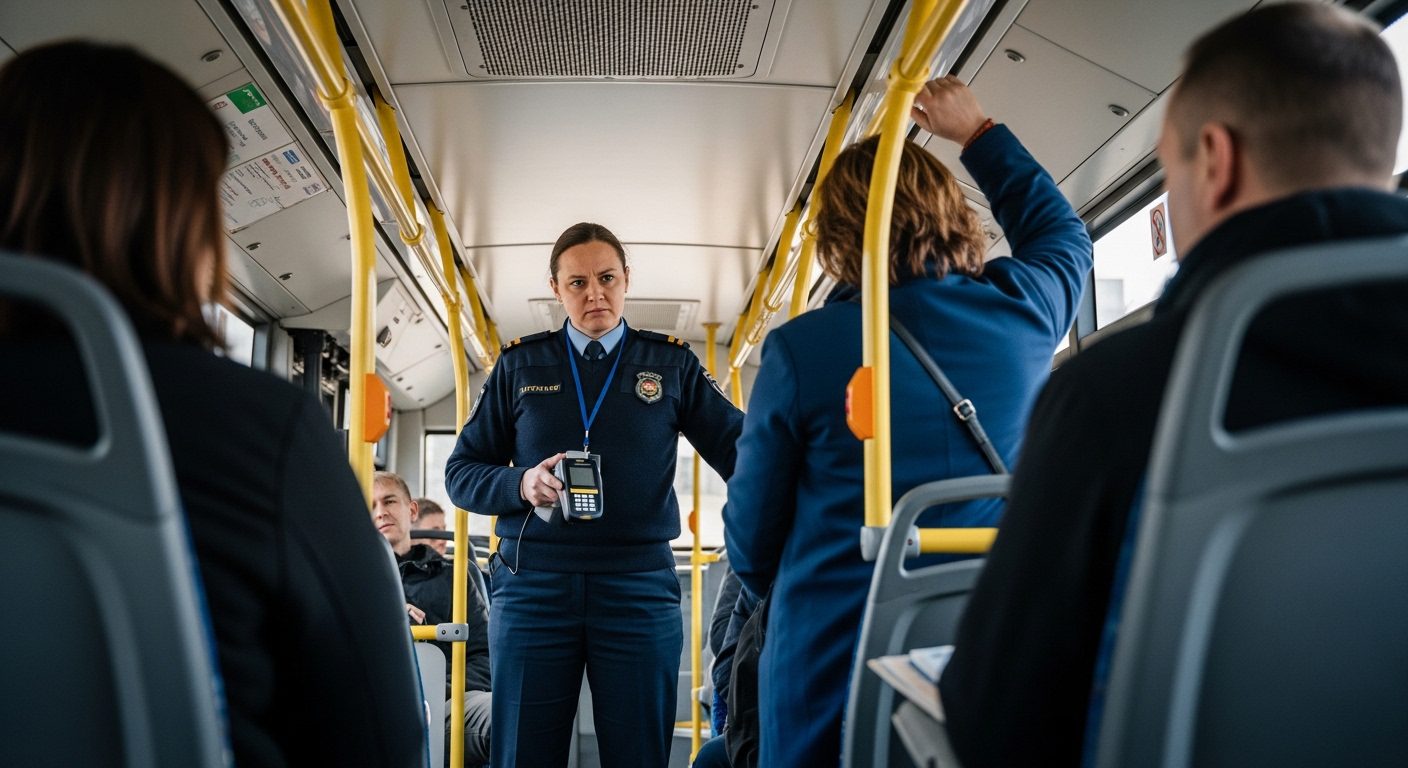
Fare evasion on Nottingham’s buses (NCT), trams (NET), and trains (East Midlands Railway) costs operators significantly each year. It involves intentional non-payment, such as boarding without a ticket, using an invalid ticket, or failing to validate. This practice burdens the public transport system and affects all users.
Main operators enforce strict rules. NCT issues a £100 penalty, NET charges £100, and EMR applies £50 plus the standard fare. Systems like the Robin Hood card and contactless payment aim to simplify compliance, yet evasion persists.
Enforcement is increasing through CCTV and more ticket inspectors. Operators record thousands of incidents annually, leading to penalty fares and potential legal action. Passengers face risks like fines, court summons, or even prosecution under UK transport law.
Awareness campaigns highlight the consequences of fare evasion. Buying a valid ticket via app, machine, or onboard prevents issues. Integrated tickets like day riders support multi-operator travel across Nottinghamshire.
Types of Non-Payment Violations
Nottingham transport recognises 7 distinct non-payment violations under the Railways Act 1991 and local byelaws. These cover common fare evasion tactics on buses, trams, and trains. Understanding them helps avoid accidental breaches and penalty notices.
- No ticket: Boarding an NCT bus or NET tram without purchasing any ticket beforehand, such as jumping on at a stop without using the app.
- Invalid ticket: Using an expired Robin Hood card or an outdated season ticket during an inspector check.
- Non-validation: Failing to tap a NET tram ticket at the validator, resulting in no beep confirmation.
- No proof of journey: Ticket details mismatch the route, time, or date, like a day rider from a different day.
- Contactless decline: Payment fails due to insufficient funds or card error on EMR trains or NCT buses.
- Group ticket misuse: An adult using a child or family ticket, evading adult fare rates.
- Retrospective ticketing abuse: Claiming a ticket after travel starts, against the honesty policy rules.
NCT handled numerous bus cases last year, issuing fines promptly. Repeat offenders risk escalation to court or blacklisting. Always validate and carry proof to comply with revenue protection checks.
Immediate Consequences
Caught fare evading? Inspectors issue on-spot consequences most of the time. They follow protocols under Railway Byelaws and NCT Conditions of Carriage.
For a first offence, expect a verbal warning. Inspectors may allow on-bus payment with a £20 cash discount to avoid escalation.
In many cases, they issue a Penalty Fare Notice (PFN). This demands payment for ticketless travel or an invalid ticket right away.
Operators like Nottingham City Transport (NCT), East Midlands Railway, and NET trams enforce this strictly. Pay the PFN promptly to prevent further action on public transport in Nottinghamshire.
Inspectors check Robin Hood card, contactless payment, or validators. No proof of journey leads to a standard fare plus a penalty for no ticket.
Single Justice Procedure Notice (SJPN)
SJPN, under the Criminal Justice and Public Order Act 1994, targets repeat offenders. It is a postal single justice charge notice with no court appearance needed.
Issued if you ignore the PFN payment deadline within 21 days. This escalates fare evasion to a formal fine.
- What it is: A summons for a byelaws violation handled by a single magistrate.
- When issued: After non-payment of bus fine, tram fine, or train fine.
- Contents: Fine from £100 to £1,000 plus costs for unpaid fare.
- Timeline: Pay or appeal within 28 days.
- Avoidance: Settle the PFN within 14 days via online payment or instalments.
Take John Doe, who received a £220 SJPN for three NCT evasions. He paid after missing the initial penalty notice deadline. Contact the operator’s customer service for a fine appeal or mitigation like machine fault.
Fines and Penalty Amounts
Nottingham penalties start at £50 (EMR) to £100 (NCT/NET), doubling if unpaid per operator tariffs. These amounts draw from the Transport Act 1985 and specific 2024 tariffs across operators. For context, a standard fare addition applies, such as £3.20 for an adult single on NCT buses.
Peak and off-peak rates remain unchanged for penalty fares. Operators like Nottingham City Transport (NCT), NET trams, and East Midlands Railway (EMR) enforce these consistently. Vulnerable passengers with Robin Hood Plus may qualify for 50% mitigation on fines.
Compare NCT’s £100 base to EMR’s lower £50 entry point. NET matches NCT at £100 but adds variable fares. Unpaid fines escalate quickly, leading to court action under UK transport law.
Practical tip: Always carry proof of payment like a Robin Hood card or contactless record to avoid fare evasion charges. Ticket inspectors issue notices on the spot during random checks.
Standard Penalty Fare Levels
NCT bus penalty: £100 + standard fare (£3.20-£5.20); NET tram: £100; EMR train: £50 + fare. These levels reflect operator-specific rules for ticketless travel or invalid tickets. Enforcement follows byelaws and the Railways Act.
| Operator | Base Penalty | +Standard Fare | Child Rate | Repeat Offender | Source |
|---|---|---|---|---|---|
| NCT | £100 | £100 | £50 | £200 | NCT Tariff |
| NET | £100 | £2.40-£3.40 | £50 | £200 | NET Byelaws |
| EMR | £50 | £4-£12 | £25 | £100 | TOC Rules |
Pay within the payment deadline, often 21 days, to avoid escalation. For repeat offenders, fines double immediately. Contact the operator’s customer service for queries on journey details like route, time, and date.
Escalation example: Day 1 issues a £100 penalty notice; by Day 21, it rises to £200; unpaid cases reach the magistrates’ court with a £1,000 maximum. Vulnerable groups can seek mitigation for extenuating circumstances like machine faults. Appeal via the operator’s complaints procedure or transport ombudsman if needed.
Escalation Process

Unpaid penalties enter 90-day escalation: debt collection (Day 30), bailiffs (Day 60), court (Day 90). Under the Debt Respite Reform Act 2024, Nottingham transport operators like Nottingham City Transport follow a statutory process for non-payment of penalty fares. This turns the fine into a civil debt if ignored.
Operators use the HOORRU system or civil enforcement agencies to pursue unpaid fares from bus fines, tram fines, or train fines. Many pay quickly to avoid hassle, especially first offenders facing fare evasion charges. Contact customer service early for instalments or hardship options.
If you receive a penalty notice, check for errors like machine fault or contactless decline. Revenue protection teams rely on CCTV evidence and inspector statements. Ignoring it risks additional costs, interest charges, and eventual magistrates’ court action under UK transport law.
Practical steps include appealing via the operator’s complaints procedure or independent routes. Repeat offenders face stricter measures, like being blacklisted from services. Always carry proof, such as a Robin Hood card or pay-as-you-go receipt, to mitigate risks.
Court Proceedings Timeline
Timeline: PFN (Day 0), Reminder (Day 14), Debt agency (Day 30), Summons (Day 60), Hearing (Day 90-120). Day 0 marks when the ticket inspector issues the Penalty Fare Notice for ticketless travel or an invalid ticket. The payment deadline is Day 14.
By Day 21, an SJPN may follow if unpaid. Civil recovery ramps up at Day 30 via debt collectors. At Day 60, expect a magistrate summons from Nottingham Magistrates’ Court.
The hearing occurs around Day 90, with average resolution in 87 days based on local court timelines. Required documents include the inspector statement, CCTV footage, and ticket machine logs. Bring journey details like route, time, and date to defend against byelaws violation claims.
- Inspector statement: Details the random check and no proof of journey.
- CCTV evidence: Shows validation failure or hiding from staff.
- Ticket machine logs: Prove no retrospective ticket purchase.
- Witness accounts: From revenue protection officers on the bus, tram, or train.
Prepare by gathering your evidence, such as app failure screenshots or stolen wallet reports. Courts consider extenuating circumstances like disability or a first offence. Non-attendance leads to default judgment and bailiffs seizing goods.
Court Outcomes and Penalties
98% conviction rate at Nottingham Magistrates for fare evasion per 2023 Ministry of Justice stats sets a high bar for those facing prosecution over unpaid fares on Nottingham transport.
Under the Railways Act s.5(3), courts can impose a maximum £1,000 fine plus costs for ticketless travel. Average fines sit around £250, but guilty pleas often lead to reductions. Repeat offenders on NET trams or East Midlands Railway face stricter outcomes.
Most cases end in fines, with community orders rare for persistent fare dodgers. Judges consider factors like first offence status or extenuating circumstances, such as machine faults. Penalty notices from ticket inspectors escalate to court summons if ignored past the payment deadline.
Prosecution involves evidence like CCTV footage, witness statements, and journey details from Nottingham City Transport or rail operators. Paying promptly avoids magistrates’ court appearances. Always check the appeal process on your notice of penalty fare for mitigation options.
Criminal Record Implications
Fare evasion convictions are recordable offences appearing on basic DBS checks for 12 months, affecting various aspects of life after a tram fine or train fine in Nottinghamshire.
Employment suffers most in transport or security roles, where convictions flag during background checks. A teacher once lost a job offer after a £300 bus fine conviction came to light. Experts recommend disclosing early to employers for the first offence transparency.
- Travel bans: EMR or TOC blacklists can last 2 years, blocking public transport access.
- Finance hits: Unpaid fines turn into CCJs, harming credit and inviting debt collection or bailiffs.
- Insurance rises: Higher premiums follow due to fraud links from invalid ticket cases.
ACPO filtering rules keep offences on record longer for repeat offenders, up to 5+ years. Vulnerable passengers with disabilities should note hardship pleas during court hearings. Contact the operator’s customer service immediately for fine appeals or independent review via the transport ombudsman.
Payment Options and Appeals

Pay online, which most people choose, by card, by instalments over six months maximum, or appeal within 21 days via operator portals for Nottingham transport fines from Nottingham City Transport (NCT), NET trams, or East Midlands Railway.
Use the NCT app for quick payment, though it adds a 2.5% fee. Phone payments work via 0330 123 1236, and instalments start at a minimum of £20 per month to manage penalty fares without immediate full settlement.
For fare evasion cases like ticketless travel or invalid tickets, check your penalty notice for the payment deadline. Missing it leads to escalation, such as debt collection or a court summons under UK transport law.
Appeals offer a chance to challenge bus fines, tram fines, or train fines if you have proof, like journey details, route, time, and date. NCT data shows 18% of appeals upheld in 2023, highlighting the value of strong evidence such as app screenshots or witness statements.
Payment Methods
Opt for online payment through the NCT app or operator portals for Nottingham transport penalties. This method suits most with card details ready, avoiding queues at ticket machines or validators.
Phone payments via 0330 123 1236 allow immediate settlement for unpaid fares. For larger fines from repeat offences or group travel without tickets, request instalments with a £20 monthly minimum over six months maximum.
Cash or card works for immediate payment during inspector checks, but online options prevent added interest charges. Examples include paying a standard excess fare for no proof of journey on NET trams or East Midlands trains.
Appeal Process
Start your appeal process within 21 days of receiving the penalty notice from NCT, NET, or rail operators. Provide clear journey proof, such as Robin Hood card records, contactless payment logs, or validator timestamps.
Submit via operator portals with details like route, time, date, and any extenuating circumstances, for instance, machine fault or app failure. Include photos of faulty ticket machines or stolen wallet reports to strengthen your case against fine enforcement.
Operators review issues like validation failure or first offence mitigation. Success depends on evidence, helping avoid prosecution or a criminal record from the magistrates’ court under the Transport Act.
Independent Appeal
If the operator rejects your appeal, escalate to the Transport Ombudsman for a free, independent review. Expect a response within about 12 weeks, covering Nottinghamshire public transport disputes.
This step checks operator fairness in revenue protection cases, like random checks with CCTV evidence. Use it for unresolved claims of no ticket due to peak time contactless decline or lost tickets.
The ombudsman can uphold appeals, reduce fines, or cancel them entirely. It’s vital for vulnerable passengers facing escalation to bailiffs or legal action.
Hardship Support
NCT’s Vulnerable Persons Policy offers up to 50% reduction on fines for those in hardship, such as disability or low income. Contact customer service with proof, like benefit letters, to apply.
This covers concession fare errors, under 19under-19s passes, or elderly pass issues. It prevents debt collection for genuine cases of ticketless travel due to financial strain.
Combine with instalments for manageable payments. Experts recommend early contact to avoid court summons or blacklisting on integrated transport like park and ride or airport links.
Long-Term Impacts

Beyond fines, face 2-year operator bans, CCJs affecting credit for 6 years, and bailiff visits costing £250+ extra. These stem from unpaid fare escalation on Nottingham transport, like NCT buses, NET trams, and East Midlands Railway trains. Ignoring a penalty notice triggers severe ongoing consequences.
Blacklisting on NCT’s ‘no-travel’ list bars ticketless travel for years. Credit score drops follow CCJs, complicating loans or rentals. Bailiff fees add £80-£250, turning a simple tram fine into a heavy debt.
- Employment barriers arise in 15% of cases, as checks reveal transport convictions.
- Family travel restrictions limit group tickets or Robin Hood cards for relatives.
- Revenue protection escalation leads to court summons and magistrates’ court prosecution.
Transport Focus highlights £12M UK taxpayer cost from evasion, funding enforcement like ticket inspectors and CCTV. Use Robin Hood app reminders to cut risks, pay via contactless or instalments for hardship.
Blacklisting and Travel Bans
Blacklisting on NCT’s no-travel list prevents boarding buses or trams until cleared. This follows repeated fare evasion, with bans up to 2 years under UK transport law. A bus fine ignored escalates quickly via revenue protection.
NET trams and East Midlands Railway share information, which means travel bans can be enforced across both operators. Families may also face restrictions when using Day Rider or Ridacard-type tickets. If this is a first offence, it is advisable to contact customer services as soon as possible to discuss the situation and explore options to reduce any penalties.
Random checks by inspectors use journey details like route, time, and date. Appeal processes exist, but proof like lost ticket claims rarely succeed without evidence. Avoid escalation by buying retrospective tickets where allowed.
Credit and Financial Damage
Unpaid transport penalties lead to CCJs, impacting credit for 6 years. Bailiff visits add £80-£250 fees plus interest charges on civil debt. A small train fine balloons for repeat offenders.
Debt collection turns fines into enforceable claims under the Transport Act. This affects mortgages or jobs requiring credit checks. Request instalments via the operator contact for vulnerable passengers.
Hardship pleas consider extenuating circumstances like machine faults or app failures. Pay online or by card promptly to halt escalation. Experts recommend tracking payment deadlines to protect finances.
Employment and Social Barriers
Employment barriers emerge from convictions disclosed in background checks. In some cases, this links to 15% involving public transport fines. No ticket incidents at peak times draw scrutiny.
Family restrictions block concession fares for under-19s or elderly passes. Social stigma grows from criminal records via the magistrates’ court. Use an honesty policy for validation failures to mitigate.
Compliance campaigns with posters raise awareness. Integrated transport, like park and ride, demands valid Robin Hood cards. Seek an independent appeals or transport ombudsman for disputed penalty fares.
Notice: Informational Content Disclaimer
The content provided on this website, including articles, blog posts, and other informational materials, is intended for general informational purposes only. It is not intended as, and should not be considered, legal advice.
Visitors to this website should be aware that the information presented here is not a substitute for seeking legal advice from a qualified solicitor or legal professional. Each individual's legal situation is unique, and the information provided may not be applicable to specific circumstances.
If you require legal advice or have specific legal questions, we encourage you to contact us directly. Our experienced team of solicitors is here to assist you with your legal needs and provide tailored advice to address your concerns.
Please be advised that any communication through this website, including the use of contact forms or email, does not create a solicitor-client relationship. Confidential or time-sensitive information should not be sent through this website. To establish a solicitor-client relationship and discuss your legal matters in detail, please contact us for a consultation.
We strive to provide accurate and up-to-date information, but we make no representations or warranties regarding the accuracy, completeness, or suitability of the information contained on this website. We shall not be liable for any reliance placed on the information provided herein.
Thank you for visiting our website. We look forward to the opportunity to assist you with your legal needs.